Choosing the best commercial espresso machine is an important decision for cafés, restaurants, hotels, bakeries, and professional coffee businesses. A commercial machine needs to deliver consistent espresso, handle frequent orders, and provide reliable performance throughout the working day. Unlike basic home machines, commercial equipment is designed for higher workloads and professional coffee preparation.
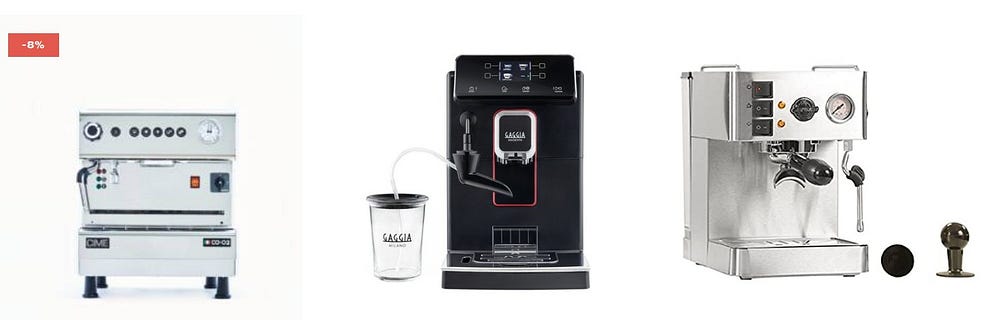
Kaapi Solution offers coffee equipment solutions for businesses looking to improve their beverage service with dependable and efficient espresso machines. The right machine can help baristas maintain consistency while serving customers quickly during busy periods.
What Makes the Best Commercial Espresso Machine?
The best commercial espresso machine depends on the requirements of your business. There is no single machine suitable for every café or restaurant. Factors such as daily coffee volume, available space, staff experience, menu requirements, and budget should be considered before making a decision.
Important features to evaluate include:
- Brewing capacity
- Boiler configuration
- Temperature stability
- Steam performance
- Number of groups
- Ease of operation
- Build quality
- Cleaning requirements
- Energy efficiency
- Availability of technical support
A machine with stable brewing temperature and consistent pressure can help baristas produce better espresso throughout the day.
Coffee Machines for Restaurant
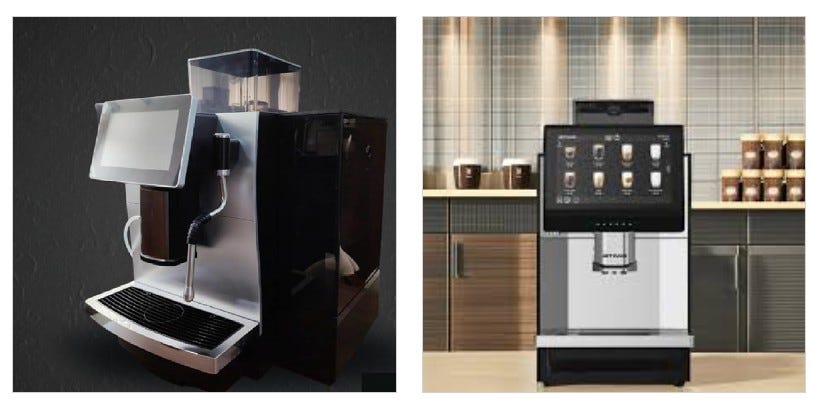
Coffee Machines for Restaurant applications require equipment capable of handling regular customer demand. Restaurants may serve espresso, cappuccino, latte, americano, and other coffee beverages alongside meals.
A commercial espresso machine should therefore be selected according to expected order volume. A small restaurant with moderate coffee demand may need a compact machine, while a busy restaurant may benefit from a multi-group system with greater brewing capacity.
Space is another important consideration. The machine should fit comfortably within the restaurant’s beverage preparation area while leaving sufficient room for grinders, cups, milk, accessories, and other equipment.
Kaapi Solution provides commercial coffee equipment options that can support different restaurant and hospitality requirements.
Semi Automatic Coffee Machine
A semi automatic coffee machine gives baristas greater control over the espresso preparation process. Users typically control important steps such as grinding, dosing, tamping, and extraction while the machine manages essential brewing functions.
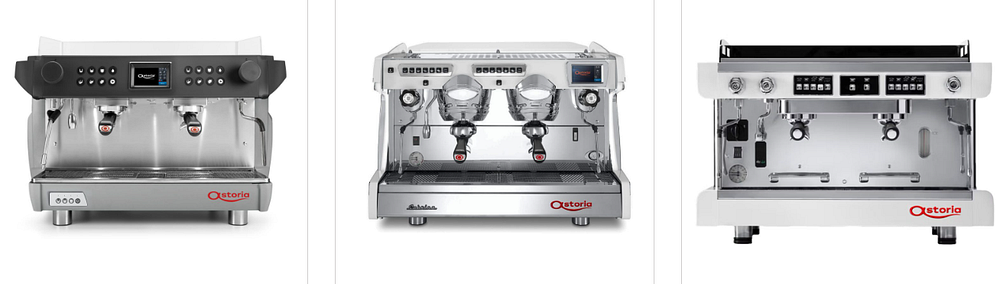
This type of machine can be particularly suitable for cafés and restaurants where coffee quality and customization are important. Experienced baristas can adjust the preparation process according to the coffee beans, grind size, recipe, and customer preferences.
Semi automatic machines can also provide an engaging experience for professional coffee teams because the barista has more involvement in preparing each beverage.
For businesses that want a balance between technology and manual control, a semi automatic machine can be a practical choice.
Consistency Matters in Commercial Coffee
Consistency is one of the most important aspects of commercial coffee preparation. Customers expect their favorite beverage to taste similar every time they visit.
A professional espresso machine can help maintain consistency through stable temperature, controlled pressure, reliable steam production, and repeatable brewing performance.
However, the machine is only one part of the process. The grinder, coffee beans, water quality, recipe, and barista technique also influence the final cup.
Regular calibration and staff training can help businesses maintain consistent results.
Choosing the Right Machine Capacity
Daily coffee volume should be considered before selecting a commercial machine. A restaurant serving a limited number of espresso-based beverages may not need the same equipment as a high-volume café.
Businesses should estimate their peak-hour demand rather than looking only at their average daily orders. The machine needs to perform effectively when customer demand is highest.
Multi-group machines can be useful for busy environments because multiple beverages can be prepared efficiently. Smaller systems may be more suitable for businesses with limited coffee orders or restricted counter space.
Boiler and Steam Performance
Steam performance is especially important for businesses serving milk-based beverages. Cappuccinos, lattes, flat whites, and other drinks require effective steam production for milk texturing.
A commercial machine with strong steam capacity can help baristas prepare multiple milk-based drinks during busy periods. Boiler configuration and machine design influence how effectively brewing and steaming can be performed together.
Restaurants with a large beverage menu should consider their expected milk-drink volume when evaluating machine specifications.
Ease of Use and Staff Training
Commercial equipment should be practical for the staff who will operate it. A machine with advanced features may not always be the best choice if employees find it difficult to use.
Semi automatic machines require barista knowledge, particularly for grinding, dosing, tamping, and extraction. Proper training can help staff understand how different variables affect espresso quality.
Simple controls, ergonomic design, accessible components, and clear operating procedures can make daily use easier.
Maintenance and Cleaning
Regular maintenance is essential for commercial espresso machines. Coffee oils, milk residue, mineral deposits, and other buildup can affect machine performance and beverage quality.
Businesses should establish daily cleaning routines along with periodic maintenance. Staff should understand how to clean group heads, steam wands, portafilters, and other components according to the manufacturer’s recommendations.
Water quality should also be considered because mineral buildup can affect internal components over time. Appropriate filtration and regular servicing can help maintain machine performance.
Energy Efficiency
Commercial coffee equipment may operate for many hours each day, making energy consumption an important consideration. Businesses can look for machines with energy-saving functions and efficient heating systems.
The appropriate operating settings can also help reduce unnecessary energy usage without affecting service quality.
For restaurants and cafés focused on long-term operating costs, energy efficiency should be considered alongside the initial machine price.
Why Choose Kaapi Solution?
Kaapi Solution provides coffee equipment solutions for cafés, restaurants, hotels, offices, and other professional environments. The company offers options for businesses with different beverage requirements, workloads, and operational preferences.
When selecting the best commercial espresso machine, businesses can evaluate their coffee volume, menu, available space, staff expertise, and budget before choosing an appropriate model.
Professional guidance can also help businesses identify equipment that fits their operational needs rather than selecting a machine based solely on appearance or price.
Commercial Espresso Machine for Growing Businesses
As a coffee business grows, beverage demand often increases. Investing in suitable commercial equipment can help businesses maintain service quality while handling higher order volumes.
A reliable machine can become an important part of daily operations, particularly during breakfast periods, lunch service, weekends, and other busy times.
For restaurants expanding their coffee menu, upgrading from basic equipment to professional machinery can also provide greater control over espresso quality and milk-based beverages.
Conclusion
The best commercial espresso machine should match the specific needs of your business. Coffee volume, brewing capacity, steam performance, machine size, staff experience, maintenance requirements, and budget all play an important role in the selection process.
For Coffee Machines for Restaurant applications, businesses should focus on reliability, consistency, ease of use, and the ability to handle peak demand. A semi automatic coffee machine can be a strong option for businesses that want professional espresso preparation with greater barista control.
With commercial coffee equipment solutions from Kaapi Solution, cafés, restaurants, and hospitality businesses can choose equipment designed around their operational requirements and beverage goals.
FAQs
1. What is the best commercial espresso machine for a restaurant?
The best machine depends on coffee volume, menu requirements, available space, staff skills, and expected peak-hour demand.
2. Is a semi automatic coffee machine good for cafés?
Yes, semi automatic machines can be suitable for cafés that want baristas to have greater control over espresso preparation.
3. How often should a commercial espresso machine be cleaned?
Daily cleaning is recommended, with deeper maintenance and servicing performed according to the machine manufacturer’s guidelines.
4. What should restaurants consider before buying an espresso machine?
Consider capacity, steam performance, group configuration, size, ease of use, maintenance, energy efficiency, and technical support.
5. Does Kaapi Solution provide commercial coffee equipment?
Yes, Kaapi Solution offers coffee equipment solutions for cafés, restaurants, hotels, offices, and other professional coffee environments.