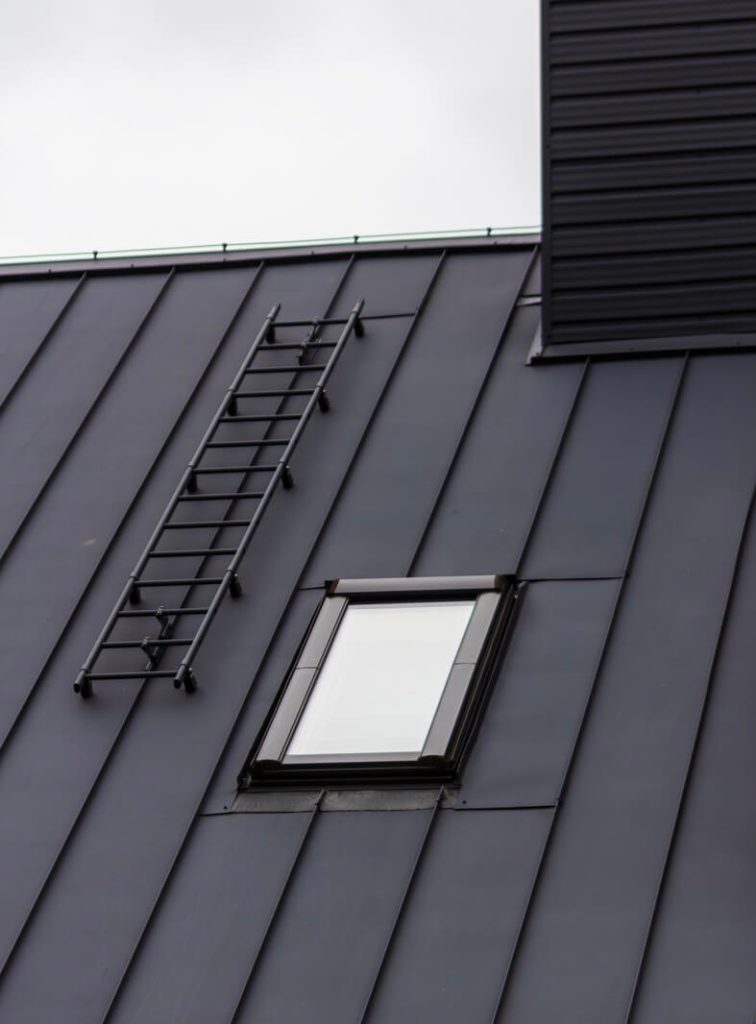
If your roof space gets excessively hot in summer, feels damp during winter or struggles with stale air, improving ventilation can make a real difference. But which option should you choose? Skylight roof ventilation and whirlybirds both help move air, yet they work in very different ways.
Whirlybirds have been a familiar sight on Australian roofs for years. They offer a simple passive approach and can work well when the roof has good natural airflow. However, modern homeowners have more options now. A professionally planned skylight ventilation system can combine ventilation with natural daylight while providing a more tailored solution for the property.
So, which option makes more sense for your home? The answer depends on your roof, your ventilation needs and what you want the system to achieve. However, if you’re looking for a solution that goes beyond simply adding a turbine to the roof, skylight ventilation is well worth considering.
1. How Skylight Roof Ventilation Works
A whirlybird relies mainly on wind and natural convection. As wind passes over the spinning turbine, it helps draw warm air from the roof cavity. Heat naturally rises as well, which can assist the process.
That simple design has some clear benefits. A standard whirlybird doesn’t need an electrical connection, and once installed, it can provide passive ventilation whenever conditions allow. However, its performance depends heavily on the environment around the roof.
On a breezy day, a whirlybird can move a useful amount of air. On a hot, still afternoon, its ability to extract hot air can be much more limited. Skylight roof ventilation takes a different approach. Depending on the system and product selected, ventilation can be incorporated into a skylight installation to improve airflow while also bringing natural light into the home. That combination is one of its biggest advantages. Instead of treating lighting and ventilation as completely separate projects, homeowners can consider how both requirements fit into the same roof upgrade. For rooms that feel dark, stuffy or poorly ventilated, this can make a lot of sense. The right system still depends on the property. Roof size, pitch, construction, insulation and existing ventilation all need consideration before installation.
2. Why Whirlybirds Remain Popular
It is easy to see why whirlybirds remain common across Australian homes.
They are relatively simple, require no electricity and can provide passive air movement without much homeowner involvement. For a straightforward roof with suitable airflow, they can be a practical option. They also tend to appeal to homeowners looking for a basic ventilation upgrade without adding powered equipment. However, simple doesn’t always mean suitable for every property.
A whirlybird only works as part of an effective airflow system. If the roof cavity doesn’t have adequate intake ventilation, the turbine may struggle to remove air efficiently. The roof itself also matters. A small, uncomplicated roof will behave differently from a large or segmented roof with several separate cavities. Wind exposure matters too.
A whirlybird depends on natural conditions, so its performance can change throughout the day. That’s particularly important when the homeowner’s main concern is excessive heat during still summer weather. For that reason, it makes sense to look beyond the ventilator itself and consider the entire roof ventilation strategy.
3. Why Skylight Ventilation Can Be the More Versatile Option
This is where skylight roof ventilation can offer a significant advantage.
A well-planned skylight ventilation solution can address more than one problem at the same time. Instead of installing a standalone turbine simply to move air, homeowners can improve ventilation while also introducing natural light into suitable living areas. Think about a dark upstairs bathroom, hallway, kitchen extension or living area. A conventional roof vent may improve airflow in the roof cavity, but it won’t brighten the room below.
A suitable skylight can. If the selected skylight also supports ventilation, the homeowner can gain additional airflow as part of the installation. That makes the system particularly attractive during renovations, roof upgrades and improvements to rooms that currently feel enclosed. There is another important benefit: the system can be designed around the individual property. Rather than asking, “How many whirlybirds should I install?”, a professional installer can first assess the roof and determine where ventilation will have the greatest benefit.
That approach leads to a more considered solution. It also helps avoid a common mistake: assuming that adding more roof vents automatically means better ventilation. Effective airflow depends on movement through the roof space, not simply the number of openings.
4. Does Skylight Ventilation Help With Heat?
Excessive roof heat is one of the biggest reasons Australian homeowners investigate ventilation.
During summer, the roof can absorb significant solar heat. That heat can build up in the roof cavity and eventually contribute to higher temperatures inside the home. Ventilation helps by allowing hot air to escape and encouraging fresher air to move through the roof space. However, ventilation should work alongside insulation rather than replace it. Good insulation slows heat transfer into the living areas. Ventilation helps remove accumulated hot air from the roof cavity. Together, they can form a much more effective approach to managing roof-space temperatures. This is also why a professional assessment matters.
A home with excellent insulation but poor ventilation may need a different solution from a property with minimal insulation and several existing roof vents. The goal should always be to identify what is actually causing the problem. Solar-powered ventilation can also be worth considering where active extraction is appropriate. Because solar ventilation operates during periods of sunlight, it can work particularly well when roof temperatures rise.
5. What About Condensation and Moisture?
Roof ventilation isn’t just about summer heat.
Moisture can become a problem when warm, humid air reaches cooler surfaces within a poorly ventilated roof space. Over time, persistent condensation can contribute to mould growth, damp insulation and deterioration of roofing components. Improving airflow can help manage moisture by allowing humid air to escape instead of remaining trapped.
Australian building requirements also place greater attention on condensation management, including roof-space ventilation in relevant circumstances. That makes proper ventilation an important consideration when planning roofing and renovation work. However, ventilation alone shouldn’t be presented as a cure for every moisture problem. If a roof has a leak, plumbing issue or another source of unwanted moisture, that problem needs to be identified and repaired first. A roof inspection can help distinguish between condensation and water ingress. Once the cause is clear, the appropriate ventilation solution becomes much easier to determine.
6. Why Intake Ventilation Matters
One of the most important points homeowners often overlook is air intake. A ventilation system needs somewhere for air to enter before it can remove air from the roof cavity. That’s why eave, soffit or other suitable intake ventilation can play such an important role.
Imagine trying to empty a room without allowing fresh air to replace what leaves it. The same basic principle applies to roof ventilation. This is also why simply adding a whirlybird isn’t always enough. If a roof has restricted intake points, the turbine may not receive enough air to move efficiently through the cavity. A professionally planned ventilation system considers both sides of the airflow equation.
During an inspection, a roof plumber can look at existing vents, eaves, insulation and the structure of the roof cavity. From there, they can determine whether additional intake or exhaust ventilation makes sense. That is a much better starting point than choosing a ventilator based solely on appearance or price.
7. Skylights and Roof Ventilation Can Work Together
Some homeowners think they need to choose between a skylight and a roof ventilation system.
They don’t necessarily. A skylight primarily brings natural light into a room. Depending on the product, it may also support airflow. Roof ventilation focuses on improving air movement through the roof space.
These functions can complement each other. For example, a homeowner renovating an upstairs bathroom may want more natural light and better airflow. Installing a suitable ventilated skylight could address both needs as part of one carefully planned roof project.
The same principle applies to extensions and renovations where a room sits beneath a roof area that currently feels dark or poorly ventilated. Instead of adding separate products without considering how they interact, homeowners can ask their roof professional whether a combined approach makes sense.
8. Which Option Is Better for Mornington Peninsula Homes?
Local conditions should always influence a roofing decision.
Mornington Peninsula properties experience coastal weather, strong winds, seasonal temperature changes and a wide variety of roof designs. Metal roofing, tiled roofing, different roof pitches and varying levels of insulation all affect how a ventilation system performs. Coastal exposure also makes installation quality especially important.
Any skylight or roof ventilator creates a penetration through the roofing system. Correct flashing, sealing and drainage are essential to prevent water ingress and protect the roof during heavy weather. That is why homeowners should focus on the quality of the installation as much as the product itself. A well-selected ventilation system installed correctly can provide far greater value than simply choosing the cheapest roof vent available.
9. When Should You Consider Skylight Ventilation?
There are several situations where skylight ventilation deserves serious consideration.
If a room feels dark during the day, a skylight can introduce natural daylight without relying entirely on artificial lighting. If the same area also feels stuffy, a ventilated skylight may provide an additional airflow benefit, depending on the product and installation.
It can also make sense during a roof renovation. When roofing work is already planned, it may be an ideal opportunity to review existing ventilation and determine whether a skylight could improve the room beneath. Homeowners should also consider ventilation when they notice signs such as excessive roof-space heat, condensation, musty smells or damp insulation. The important thing is to investigate the underlying cause first.
10. So, Which Should You Choose?
Whirlybirds still have a place in Australian roofing. They are simple, passive and can work effectively when the roof has suitable airflow and wind exposure.
However, they aren’t automatically the best choice for every property. For homeowners who want a more considered approach, skylight ventilation can provide greater versatility. It can bring natural light into the home while contributing to a broader ventilation strategy. It also gives the installer an opportunity to assess the roof as a complete system rather than simply adding another vent.
That distinction matters. A good ventilation solution should suit the roof, not force the roof to suit the product.
Get Expert Advice on Your Roof Ventilation
Choosing between a whirlybird and a skylight ventilation solution shouldn’t come down to which product looks better or costs less.
The right choice depends on the roof structure, existing airflow, insulation, room requirements and the goals of the homeowner.
If you’re considering skylight roof ventilation for a Mornington Peninsula property, a professional assessment can help you understand what your roof actually needs. An experienced roof plumber can inspect the existing ventilation, identify potential problem areas and recommend a solution that fits the property. For homeowners who want more natural light as well as improved airflow, a professionally installed skylight ventilation system can be a particularly useful upgrade.
Making the Right Choice
Whirlybirds remain a practical passive ventilation option, but they rely on natural airflow and aren’t suitable for every roof.
A professionally designed skylight roof ventilation solution offers a broader opportunity. Depending on the product and property, it can improve airflow while bringing natural daylight into rooms that need it. For homeowners planning a renovation or looking for a smarter way to address heat, airflow and lighting, that combination can be a strong choice.
The best approach is to assess the roof first, understand the airflow requirements and then choose the system that fits the home. With the right design and professional installation, better roof ventilation can make your home more comfortable while adding practical value to the property.