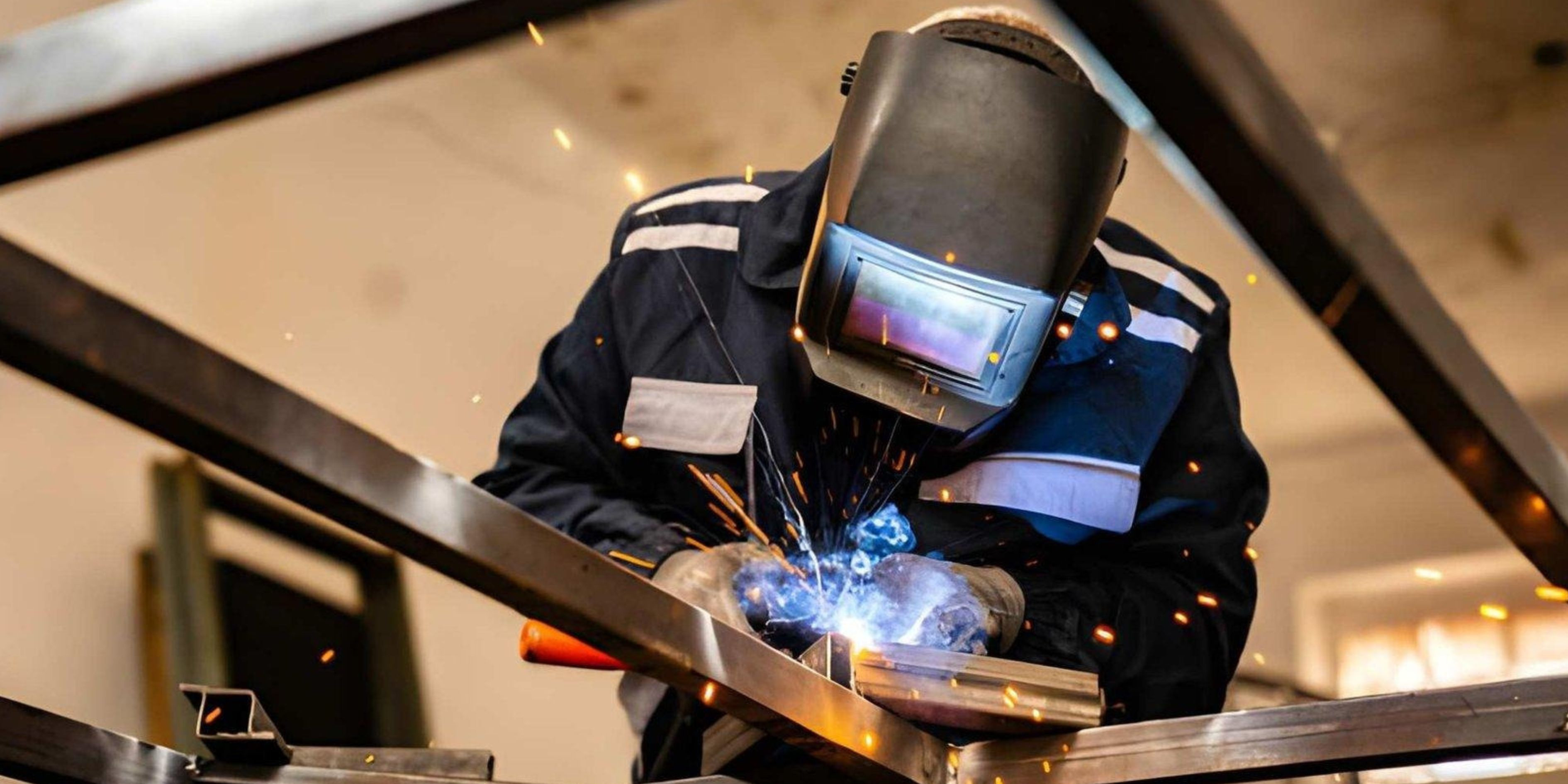
Architects and contractors rely on industrial metal fabrication services because custom-built components fit project specs precisely, arrive on schedule, and hold up under years of structural and weather stress. Off-the-shelf materials rarely match the exact dimensions a design calls for.
Skilled fabrication shops cut, form, and finish metal parts to tight tolerances, reducing on-site errors and rework. Reliable turnaround also keeps construction schedules on track, since delayed materials can stall an entire crew. Quality control at the fabrication stage catches flaws before they ever reach a job site, saving time and money later.
Precision Cutting and Custom Fit
Every building has unique angles, spans, and load points that standard materials cannot always match. Precision fabrication shapes metal parts to exact measurements, so pieces fit together the first time. Fewer field adjustments mean faster installation and cleaner finished results on site.
Structural Support Components
Framing details behind a facade carry real weight, both literally and in terms of project success. A structural hat channel provides a reliable base for attaching wall panels, insulation, and furring systems over masonry or steel. Proper spacing and gauge selection keep the entire assembly stable through temperature swings.
Consistent Material Quality across Projects
Large commercial jobs often span months, and material consistency matters throughout that timeline. Fabrication shops working from the same specifications and coil stock produce uniform gauge, finish, and dimensions batch after batch. This consistency prevents mismatched panels or visible seams once installation wraps up.
Faster Project Timelines
Speed matters on any construction schedule, and fabrication delays ripple through every trade that follows. Shops with in-house cutting, forming, and finishing equipment cut lead times compared to sourcing parts from multiple vendors. Contractors gain predictable delivery dates, which helps crews plan labor and equipment without idle days.
What Contractors Should Confirm Before Ordering
A few practical checks before placing an order prevent delays and mismatched materials later in the build. Reviewing these points with a fabricator early keeps the project moving smoothly.
- Exact gauge and material grade required by the project specs
- Finish coating type and color match across all panel runs
- Lead time from order to delivery, including shipping logistics
- Tolerance standards for cuts, bends, and welded joints
- Packaging and handling methods to prevent transit damage
Confirming these details upfront reduces the chance of receiving parts that fail inspection or delay installation.
Frequently Asked Questions
What types of metal parts do fabrication shops typically produce for commercial buildings?
Shops commonly produce wall panels, trim, flashing, structural framing pieces, column covers, and custom brackets built to project drawings, matching exact dimensions and finish requirements for commercial and institutional construction needs.
How does a fabrication shop ensure parts meet project tolerances?
Shops use calibrated cutting and forming equipment along with quality checks at each production stage, comparing finished pieces against approved shop drawings before packaging and shipping parts to the job site.
Can fabrication shops handle both small custom orders and large commercial runs?
Most established shops manage both scales, adjusting production schedules and staffing to fit project size, while maintaining the same tolerance standards and finish quality across small custom jobs and large orders.
What factors affect lead time for custom fabricated metal components?
Material availability, order complexity, finish coating requirements, and current shop workload all influence lead time, so contractors should confirm timelines early and build buffer days into overall project schedules.
Why is on-site fit important when specifying fabricated metal parts?
Accurate on-site fit reduces field cutting, rework, and installation delays, keeping crews on schedule while lowering labor costs and minimizing waste of custom-cut material during the building process.
Final Thoughts
Choosing skilled industrial metal fabrication services gives architects and contractors more control over quality, timing, and long-term building performance. Precision-cut components, dependable structural supports, and consistent material batches all reduce risk during construction. Projects that start with accurate fabrication tend to finish with fewer surprises and stronger, longer-lasting results.