India’s commercial landscape is evolving quickly, with businesses seeking workspaces and developments that combine functionality, aesthetics, sustainability and long-term value. This changing demand has increased the importance of commercial architects in India, who help transform business requirements into efficient and engaging built environments.
Bangalore has emerged as one of the country’s leading commercial and technology hubs. With the growth of IT companies, startups, corporate offices, retail developments and mixed-use projects, architecture companies in Bangalore are increasingly focusing on designs that respond to modern business needs while remaining adaptable for the future.
The Growing Importance of Commercial Architecture in India
Commercial architecture goes beyond creating attractive buildings. A successful commercial project must support the activities taking place inside it while considering factors such as circulation, accessibility, employee experience, energy efficiency, safety and maintenance.
Modern commercial architects in India therefore take a comprehensive approach to planning. Office buildings may require flexible workspaces and collaborative areas, while retail developments need effective customer movement and visibility. Mixed-use projects, meanwhile, require careful integration of commercial, recreational and public spaces.
The objective is to create spaces that work efficiently for occupants while contributing positively to their surroundings.
Why Bangalore Is a Major Hub for Commercial Architecture
Bangalore’s strong technology and business ecosystem has driven significant demand for contemporary commercial spaces. Corporate campuses, office complexes, research facilities, retail centres and mixed-use developments have become important parts of the city’s urban landscape.
This has created opportunities for architecture companies in Bangalore to experiment with flexible planning, technology-driven buildings and sustainable design strategies. Commercial spaces increasingly incorporate collaborative areas, breakout zones, natural light, landscaping and amenities that improve the overall user experience.
At the same time, architects need to consider Bangalore’s climate, traffic conditions, urban density and infrastructure. Climate-responsive planning, efficient water management, appropriate material selection and landscape design can help create buildings that are comfortable and resource-efficient.
Key Features of Modern Commercial Architecture
Contemporary commercial buildings are designed around the changing needs of businesses and their users. Some of the key considerations include:
Flexible and Adaptable Spaces
Businesses can change significantly over the lifespan of a building. Flexible floor plans allow spaces to be reconfigured as teams expand, working patterns change or new requirements emerge.
Sustainable Design
Energy efficiency, natural ventilation, daylighting, water conservation and responsible material selection are becoming increasingly important. Sustainable design can also contribute to lower operational costs over the long term.
Technology Integration
Smart building systems, efficient infrastructure and digital technologies are influencing the way commercial buildings are planned and operated. Architects must consider these requirements during the design stage rather than treating technology as an afterthought.
User-Centric Planning
A commercial building should provide a comfortable and productive environment. Natural light, appropriate acoustics, landscaping, recreational areas and well-planned circulation can significantly influence the experience of employees, customers and visitors.
What to Consider When Choosing Commercial Architects in India
Selecting an architectural firm is an important decision because architectural choices influence a project throughout its lifecycle. Businesses should assess an architect’s experience, portfolio, technical capabilities and understanding of their specific project requirements.
Experience with similar building types is particularly valuable. An architect who understands corporate offices, retail, hospitality or mixed-use developments can anticipate the planning and operational challenges associated with those projects.
It is also useful to consider whether the practice offers multidisciplinary expertise. Large commercial developments often involve architecture, structural engineering, sustainability, building services, interiors and project management. Coordinating these disciplines effectively can help improve efficiency and minimise design conflicts.
The Role of Sustainability in Commercial Buildings
Sustainability has become an important consideration for commercial development in India. Architects are increasingly exploring passive design strategies and efficient building systems to reduce energy and resource consumption.
Building orientation, shading, daylight management, natural ventilation and landscaping can influence indoor comfort and energy performance. Water-efficient systems and carefully selected materials can further improve a building’s environmental performance.
For businesses, sustainable architecture can offer benefits beyond environmental responsibility. Efficient buildings may provide better occupant comfort, reduce operating requirements and contribute to a stronger corporate image.
Why Integrated Design Matters
Large commercial projects involve numerous technical and operational considerations. An integrated design approach allows architects and consultants to address these factors from the beginning of the project.
CP Kukreja Architects (CPKA) is an example of a multidisciplinary architectural practice with experience across commercial, corporate, institutional, hospitality and infrastructure projects. Its approach brings together architecture, engineering, sustainability and other specialist capabilities to address the different requirements of large-scale developments.
Such an approach can be especially useful when projects involve complex sites, multiple stakeholders, demanding sustainability goals or extensive technical infrastructure.
Designing Commercial Buildings for the Future
Commercial buildings are expected to remain functional for many years, even as business practices and technologies continue to change. This makes adaptability an important part of architectural planning.
Rather than focusing only on current requirements, architects can consider how a building might accommodate future changes. Flexible layouts, efficient structural systems, accessible services and adaptable infrastructure can make commercial developments more resilient.
The growing popularity of hybrid working and changing employee expectations has also encouraged businesses to rethink conventional office design. Modern workplaces increasingly combine focused work areas with meeting spaces, collaboration zones, social areas and amenities.
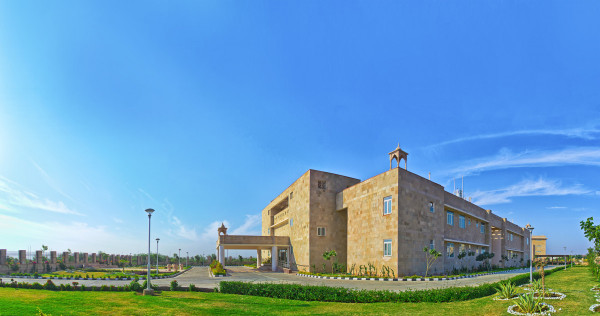
The Future of Commercial Architecture in India
The future of commercial architecture in India is likely to be influenced by sustainability, technology, flexibility and human-centred design. As cities continue to expand and businesses become more conscious of environmental and operational performance, commercial buildings will need to provide greater value than simply offering usable floor space.
Architecture companies in Bangalore and other major Indian cities will continue to play an important role in responding to these changing expectations. Successful commercial projects will increasingly balance business objectives with user experience, environmental responsibility and long-term adaptability.
Conclusion
Commercial architecture in India is moving towards more sustainable, flexible and user-focused environments. From corporate offices and technology campuses to retail and mixed-use developments, the right architectural approach can improve functionality while creating spaces that remain relevant for years to come.
Businesses planning a commercial project should therefore look beyond aesthetics and evaluate an architect’s experience, multidisciplinary capabilities, sustainability approach and ability to understand the project’s long-term objectives. CP Kukreja Architects (CPKA) brings decades of architectural experience and multidisciplinary expertise to complex projects, making it a notable name for organisations looking for thoughtful and future-ready commercial architecture in India.