Wheat is one of India’s most important cereal crops, serving as a staple food for millions while contributing significantly to the country’s agricultural economy. Achieving high wheat yields requires more than quality seeds and proper irrigation. Farmers must also protect crops from weeds and diseases that compete for nutrients, reduce plant growth, and lower grain quality.
Among the most effective strategies for maintaining healthy wheat fields is timely weed management. Understanding a suitable wheat herbicide list helps farmers choose the right herbicide based on weed type, crop stage, and field conditions. Alongside weed control, fungal diseases such as rust, powdery mildew, and leaf blight can seriously impact productivity, making the selection of the best fungicide in India equally important for comprehensive crop protection.
Why Weed Management Is Essential in Wheat Farming
Weeds are one of the biggest reasons for yield loss in wheat cultivation. They compete directly with wheat plants for sunlight, water, nutrients, and space during the early stages of crop growth.
If weeds are not controlled on time, farmers may experience:
- Reduced plant vigour
- Poor tillering
- Lower nutrient uptake
- Increased disease pressure
- Reduced grain filling
- Lower overall yield
- Higher harvesting difficulties
Early weed management helps wheat plants establish themselves and maximise productivity.
Common Weeds Found in Wheat Fields
Different regions experience different weed problems depending on soil conditions, climate, and irrigation practices.
Common wheat weeds include:
Grassy Weeds
- Phalaris minor
- Wild oats (Avena ludoviciana)
These weeds resemble wheat during early growth, making timely identification important.
Broadleaf Weeds
- Chenopodium
- Wild mustard
- Field bindweed
- Lamb’s quarters
Broadleaf weeds compete aggressively for nutrients and moisture.
Mixed Weed Infestation
Many wheat fields contain both grassy and broadleaf weeds, requiring integrated weed management strategies.
Understanding the Wheat Herbicide List
A wheat herbicide list includes different herbicide categories designed to manage specific weed problems.
Pre-Emergence Herbicides
Applied soon after sowing, these herbicides prevent weed seeds from germinating and help reduce early weed pressure.
Post-Emergence Herbicides
Applied after weeds emerge, these herbicides target actively growing weeds while protecting the wheat crop when used correctly.
Selective Herbicides
Selective herbicides eliminate specific weed species without damaging wheat plants, making them ideal for targeted weed control.
Choosing the correct herbicide depends on the weed population present in the field.
Factors to Consider Before Selecting a Herbicide
Successful weed management requires careful planning rather than selecting products based only on popularity.
Farmers should evaluate:
- Crop growth stage
- Weed species
- Weed density
- Soil type
- Irrigation practices
- Weather conditions
- Product compatibility
- Recommended application timing
Following these factors improves herbicide performance and crop safety.
Fungal Diseases That Affect Wheat
Even after effective weed management, fungal diseases can reduce crop productivity if left untreated.
Common wheat diseases include:
- Yellow rust
- Brown rust
- Stem rust
- Powdery mildew
- Leaf blight
- Loose smut
These diseases spread quickly under favourable environmental conditions and require timely management.
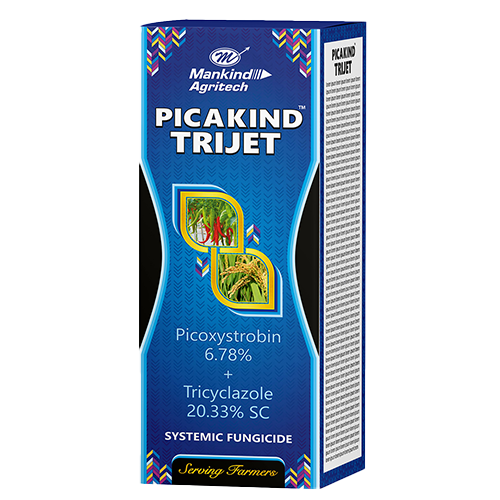
Choosing the Best Fungicide in India
There is no universal best fungicide in India for every crop or disease. The most suitable fungicide depends on:
Disease Identification
Correct diagnosis is the first step in selecting an effective fungicide.
Crop Growth Stage
Preventive applications often provide better results than treating severe infections.
Weather Conditions
Humidity and rainfall influence disease development and fungicide performance.
Mode of Action
Rotating fungicides with different modes of action helps reduce resistance development.
Using fungicides responsibly improves long-term disease management.
Integrated Crop Protection for Wheat
Modern wheat farming increasingly relies on Integrated Crop Management (ICM), which combines multiple practices to improve crop health.
These practices include:
- Quality seed selection
- Balanced fertilisation
- Timely irrigation
- Crop rotation
- Weed monitoring
- Disease scouting
- Responsible herbicide use
- Timely fungicide application
Combining these approaches results in healthier crops and higher yields.
Best Practices for Herbicide Application
To maximise effectiveness, farmers should:
- Apply herbicides at the recommended crop stage.
- Use clean and calibrated spraying equipment.
- Follow the prescribed dosage.
- Avoid spraying during strong winds.
- Ensure uniform spray coverage.
- Read product labels carefully.
- Observe all safety precautions.
Proper application reduces weed competition while protecting crop health.
Technology Is Improving Wheat Farming
Modern agricultural technologies are helping farmers improve crop protection and resource efficiency.
Examples include:
- GPS-guided spraying
- Drone-assisted crop monitoring
- Digital weed identification
- Precision agriculture tools
- Mobile farming advisory apps
- Smart weather forecasting
These innovations help optimise herbicide and fungicide use while reducing production costs.
Conclusion
Successful wheat cultivation requires a balanced approach to weed and disease management. Understanding the appropriate wheat herbicide list allows farmers to select products that effectively control weeds without affecting crop growth. At the same time, choosing the best fungicide in India based on disease type, crop stage, and field conditions helps protect wheat from damaging fungal infections. By combining quality crop protection products with integrated farming practices and modern agricultural technologies, farmers can improve yields, protect grain quality, and achieve sustainable long-term productivity. Through its innovative product portfolio, Mankind Agritech continues to support Indian farmers in meeting the evolving challenges of wheat cultivation.