Chocolate lovers and professional bakers often face an important question when selecting ingredients: which type of couverture chocolate delivers the best results? The answer depends on factors such as flavor, texture, cocoa content, and intended use. While several varieties are available, each offers unique characteristics that influence the final product. Understanding the differences between chocolate options can help consumers and bakers make better decisions. This comparison explores the strengths and limitations of various couverture chocolates to determine which option performs best.
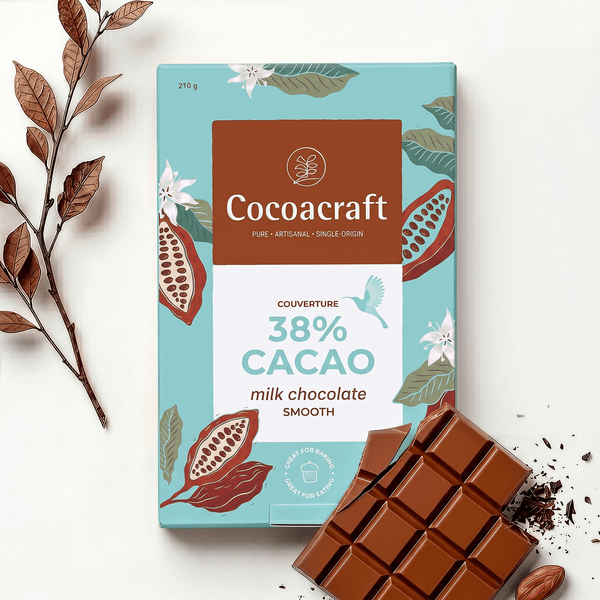
Understanding Couverture Chocolate
Before comparing different varieties, it is important to understand what couverture chocolate actually is.
Couverture chocolate contains a higher percentage of cocoa butter than standard chocolate, making it ideal for baking, molding, coating, and creating premium desserts.
Common types of couverture chocolate include:
- Milk chocolate
- Dark chocolate
- White chocolate
Key characteristics of couverture chocolate:
- Smooth texture
- Excellent melting properties
- Superior shine
- Better consistency during tempering
Because of these qualities, couverture chocolate has become a preferred ingredient among bakers and chefs.
What Makes Milk Chocolate Couverture Unique?
Milk chocolate remains one of the most popular chocolate varieties worldwide. It combines cocoa solids, cocoa butter, sugar, and milk solids to create a creamy and balanced flavor.
Advantages of milk chocolate couverture include:
1. Creamier texture
The addition of milk creates a softer and smoother mouthfeel.
2. Balanced sweetness
Milk chocolate offers a pleasant balance between sweetness and cocoa flavor.
3. Wider appeal
Many people prefer milk chocolate because of its milder taste.
4. Greater versatility
It works exceptionally well in:
- Cakes
- Brownies
- Cookies
- Truffles
- Chocolate coatings
The creamy characteristics of milk chocolate couverture make it particularly suitable for recipes that require a delicate flavor profile.
How Does Dark Couverture Chocolate Compare?
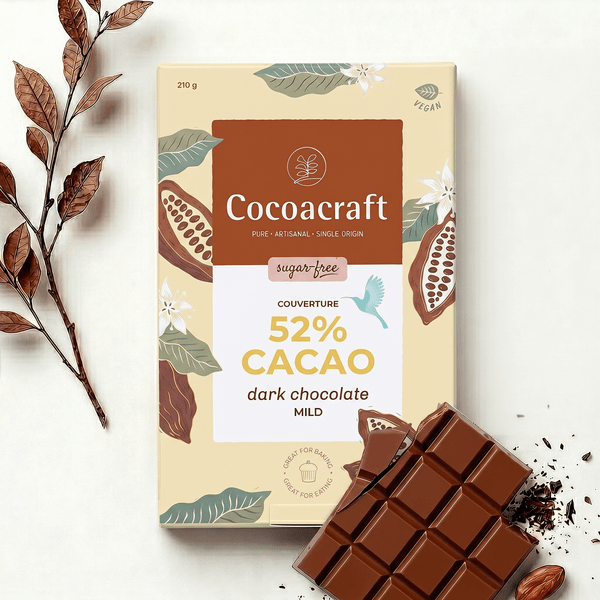
Dark chocolate contains a higher percentage of cocoa solids and less sugar than milk chocolate. This difference creates a stronger and more intense flavor.
Key features of dark chocolate include:
- Rich cocoa flavor
- Lower sweetness
- More complex tasting notes
- Strong aroma
Professional bakers often choose dark couverture chocolate when they want chocolate to become the dominant flavor in a dessert.
Popular applications include:
- Premium desserts
- Ganache
- Chocolate mousse
- Decorative work
The intense cocoa profile makes dark chocolate particularly attractive to those who appreciate bold flavors.
Flavor Comparison: Which Option Tastes Better?
Flavor is often the deciding factor when selecting chocolate.
Milk chocolate flavor profile
Milk chocolate typically offers:
- Sweetness
- Creaminess
- Mild cocoa notes
- Smooth finishing taste
Dark chocolate flavor profile
Dark chocolate generally provides:
- Bitterness
- Richness
- Complex cocoa notes
- Longer aftertaste
Which one wins?
The answer depends entirely on personal preference.
People who enjoy sweeter desserts may prefer milk chocolate, while those who appreciate stronger cocoa notes may favor dark chocolate.
Quick comparison:
| Feature | Milk Chocolate | Dark Chocolate |
| Sweetness | Higher | Lower |
| Cocoa intensity | Moderate | Strong |
| Creaminess | Excellent | Moderate |
| Bitterness | Minimal | Noticeable |
Neither option is universally better because taste remains highly subjective.
Baking Performance: Which Chocolate Produces Better Results?
Performance during baking is another important consideration.
Why bakers choose milk chocolate
Many dessert recipes benefit from a softer flavor profile.
Milk chocolate performs exceptionally well in:
- Cupcakes
- Chocolate-filled pastries
- Dessert sauces
- Ice cream toppings
Because of its balanced sweetness, it complements many additional ingredients.
Why bakers choose dark chocolate
Dark chocolate often performs better when recipes require greater flavor intensity.
It works particularly well in:
- Rich cakes
- Brownies
- Chocolate tarts
- Premium confectionery
Important baking considerations
When choosing chocolate, consider:
- Melting temperature
- Sugar content
- Desired sweetness
- Recipe requirements
The right choice depends on the specific dessert being prepared.
Nutritional Differences Between Milk and Dark Chocolate
Nutritional values vary significantly between chocolate varieties.
Milk chocolate characteristics:
- More milk solids
- Higher sugar content
- Lower cocoa percentage
Dark chocolate characteristics:
- Higher cocoa concentration
- Less sugar
- Greater cocoa intensity
However, nutritional content varies depending on ingredients and manufacturing processes.
Factors that influence nutritional value include:
- Cocoa percentage
- Sugar quantity
- Added ingredients
- Processing methods
Rather than focusing exclusively on nutritional comparisons, consumers should also consider ingredient quality and portion sizes.
Which Chocolate Is Better for Professional Applications?
Professional bakers and chefs often evaluate chocolate based on functionality.
Professional considerations include:
Tempering performance
Proper tempering creates:
- Better shine
- Improved texture
- Greater stability
Molding ability
Chocolate used for molding should provide:
- Easy release
- Smooth surfaces
- Structural consistency
Flavor integration
Chocolate should complement other ingredients without overpowering them.
Many professionals choose milk chocolate couverture for products that require balance and creaminess. Others prefer dark couverture chocolate when creating desserts that highlight cocoa’s natural complexity.
Ultimately, professional requirements determine which option performs better.
How to Choose the Right Couverture Chocolate
Selecting the right chocolate becomes easier when considering a few important questions.
Ask yourself:
What type of dessert are you preparing?
Cream-based desserts often pair well with milk chocolate.
Who will be eating the dessert?
Family-friendly recipes may benefit from sweeter chocolate.
Do you prefer stronger cocoa flavors?
If so, dark chocolate may be the better option.
Simple selection guide:
Choose milk chocolate if you want:
- Creaminess
- Mild flavor
- Balanced sweetness
Choose dark chocolate if you want:
- Intense cocoa notes
- Reduced sweetness
- Greater flavor complexity
There is no universal answer because every recipe requires different characteristics.
Conclusion
Both milk and dark couverture chocolates offer exceptional qualities, making each suitable for different culinary applications. While milk chocolate provides creaminess and balanced sweetness, dark chocolate delivers intensity and complexity. The best choice ultimately depends on personal preferences, recipe requirements, and desired flavor profiles. For chocolate enthusiasts seeking pure, artisanal, and single-origin options from Kerala, India, Cocoacraft continues to offer an extensive collection of premium chocolates designed for both everyday enjoyment and professional baking experiences.