You sit down on your couch after a long day of work, ready to unwind, when a faint, foul smell starts creeping into the living room. You walk toward the bathroom, and right as your washing machine empties, you hear a deep, glug-glug sound coming from the shower drain.
Most homeowners immediately reach for a plunger or pour harsh chemicals down the sink, assuming there is a stubborn clog deep in the line. But when the water keeps draining slowly and the bad smell hangs around, the issue usually isn’t inside the drain pipes at all.
Your entire drainage system relies on invisible air pressure to push wastewater out and keep sewer gases from coming back in. When the pipes that control this air pressure get blocked, damaged, or disconnected, your home’s plumbing starts showing strange symptoms fast.
What Happens During a Plumbing Vent Repair?
To understand how a Plumbing Vent Repair works, it helps to imagine holding a straw full of water. If you keep your thumb over the top of the straw, the water stays trapped inside. The second you lift your thumb, air rushes into the top, and the water flows right out.
Your rooftop vent stack works as the open top of that straw. It sticks up through your roof, pulling fresh air down into your drain lines so wastewater moves freely into the municipal sewer system or septic tank.
When a professional inspects and fixes this system, they clear out obstruction points, patch cracked pipes, or realign disconnected lines. Restoring that balance of air pressure immediately stops drains from glugging, prevents water from bouncing back up into sinks, and keeps hazardous gases safely outside your home.
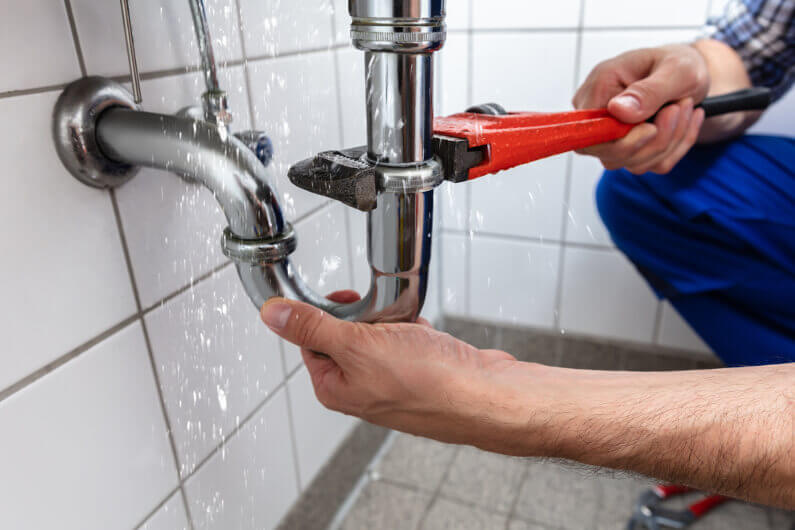
Common Vent Stack Problems Unique to Austin Homes
Living in Central Texas comes with local factors that put unique stress on home drainage setups. If your home has been acting up lately, one of these local issues might be the root cause.
Nesting Wildlife in Oak and Pecan Trees
Austin is famous for its massive Live Oaks and Pecan trees. Neighborhoods like Hyde Park, Allandale, and Travis Heights have lush tree canopies, which means squirrels, birds, and roof rats are constantly running across rooftops. Small animals often mistake open roof stacks for cozy nesting spots, dropping twigs, acorns, and leaves straight down the pipe.
Central Texas Heat and Thermal Expansion
Summer temperatures in Central Texas routinely sit above 100 degrees for weeks at a time. This intense heat causes plastic PVC pipes running through hot attics to expand and warp. Over time, joints loosen, cracked seals form, or lines separate entirely, letting sewer air escape directly into your attic space instead of venting outside.
Heavy Rainstorms and Leaves After Dry Spells
During intense storm seasons, sudden downpours wash heavy piles of oak leaves, pollen, and debris straight off the roof into un-capped vertical lines. This creates a dense, damp plug halfway down the stack that a standard drain snake cannot clear from inside the house.
Signs Your Drainage System Needs Immediate Attention
Catching structural air issues early prevents long-term water damage, bad indoor air quality, and broken seals under your fixtures. Here are the clear signs your system is struggling:
- Persistent Sewer Gas Odors: A rotten-egg smell coming from sinks or tubs usually means negative air pressure has sucked the protective water trap dry.
- Toilets That Bubble When You Empty the Sink: Running a nearby faucet should never cause the water level in your toilet bowl to ripple or gurgle.
- Slow Drainage Across Multiple Fixtures: If your kitchen sink, bathtub, and laundry line are all running slow at the same time, the main air line is likely blocked.
- Dry Trap Seals: Hearing whistling or rushing air noises coming directly out of your bathroom drains when the wind picks up outside.
How Professional Toilet Repair Austin, TX Clears the Line
Many homeowners call for a Toilet Repair Austin, TX thinking their fixture needs a simple flapper replacement or a new wax ring. However, when a toilet bubbles constantly or fails to flush completely despite a clear drain line, the real culprit is a choked air stack directly behind the wall.
When you schedule a service visit, trained technicians don’t just clear the porcelain bowl—they run diagnostic tools from the roof down. By inspecting the entire vertical line, technicians ensure air flows freely through the main branch.
If an unexpected backup happens after business hours or during a weekend storm, having access to an Emergency Plumbing Austin, TX service means you won’t have to live with sewer smells overnight. Using professional augers, roof-top cameras, and pressure gauges, certified specialists identify the exact point of failure and restore proper airflow in a single visit.
If you are dealing with mysterious smells or stubborn backups that regular plungers can’t fix, turning to David Plumbers Austin ensures the job gets done right the first time using high-grade local expertise.
What Creates Long-Term Trust in Local Service Professionals?
Inviting a service provider into your home requires peace of mind. Local residents look for clear signs of reliability and respect before scheduling an appointment:
- Clear, Transparent Pricing: You should always receive an accurate, upfront estimate before any work starts—no surprise charges or hidden fees on your final bill.
- Proper Licensing and Insurance: Real professionals hold active state master licenses and carry comprehensive liability coverage to protect your home.
- Clean Work Environment: Technicians who value your space wear protective boot covers, use drop cloths, and leave your home as clean as they found it.
- Fast, Local Response Times: Working with local providers means faster arrival times when an urgent pipe issue strikes your neighborhood.
Frequently Asked Questions
Q1. Can I clear a blocked roof stack myself using a garden hose?
Ans: Running water down a roof pipe can occasionally break up light leaf plugs, but if the block is solid or caused by animal nests, the water will overflow into your home’s interior walls. Climbing onto steep roofs also presents serious safety hazards without proper gear.
Q2. How do I know if the bad smell is sewer gas or just a dirty disposal?
Ans: If the smell comes from multiple drains or gets stronger after running your shower, it is likely sewer gas caused by air pressure issues. If the odor stays strictly inside the kitchen sink, it is usually food buildup on the disposal blades.
Q3. Will a blocked air stack damage my home’s interior pipes?
Ans: Yes. Severe pressure imbalances force air to pull water out of P-traps, leaving your living spaces exposed to toxic sewer gases. Constant suction pressure can also loosen pipe joints inside walls over time, leading to hidden water leaks.
Q4. How often should roof-level air pipes be inspected?
Ans: It is good practice to have your rooftop pipes and flashing seals checked every 2–3 years, or whenever you have your roof inspected after severe storm seasons in Central Texas.
Restoring Fresh Air and Smooth Drains to Your Home
Ignoring slow drains, bubbling toilets, or sudden sewer smells only leads to bigger headaches down the road. Your home’s drainage setup is an interconnected system, and keeping the air lines clear is just as vital as keeping the water lines open.
When you need dependable service backed by years of local experience, trust the team at David Plumbers Austin to handle your complete Plumbing Vent Repair quickly and safely. Reach out to a certified local technician today to clear your lines, eliminate unpleasant odors, and bring peace of mind back to your home.