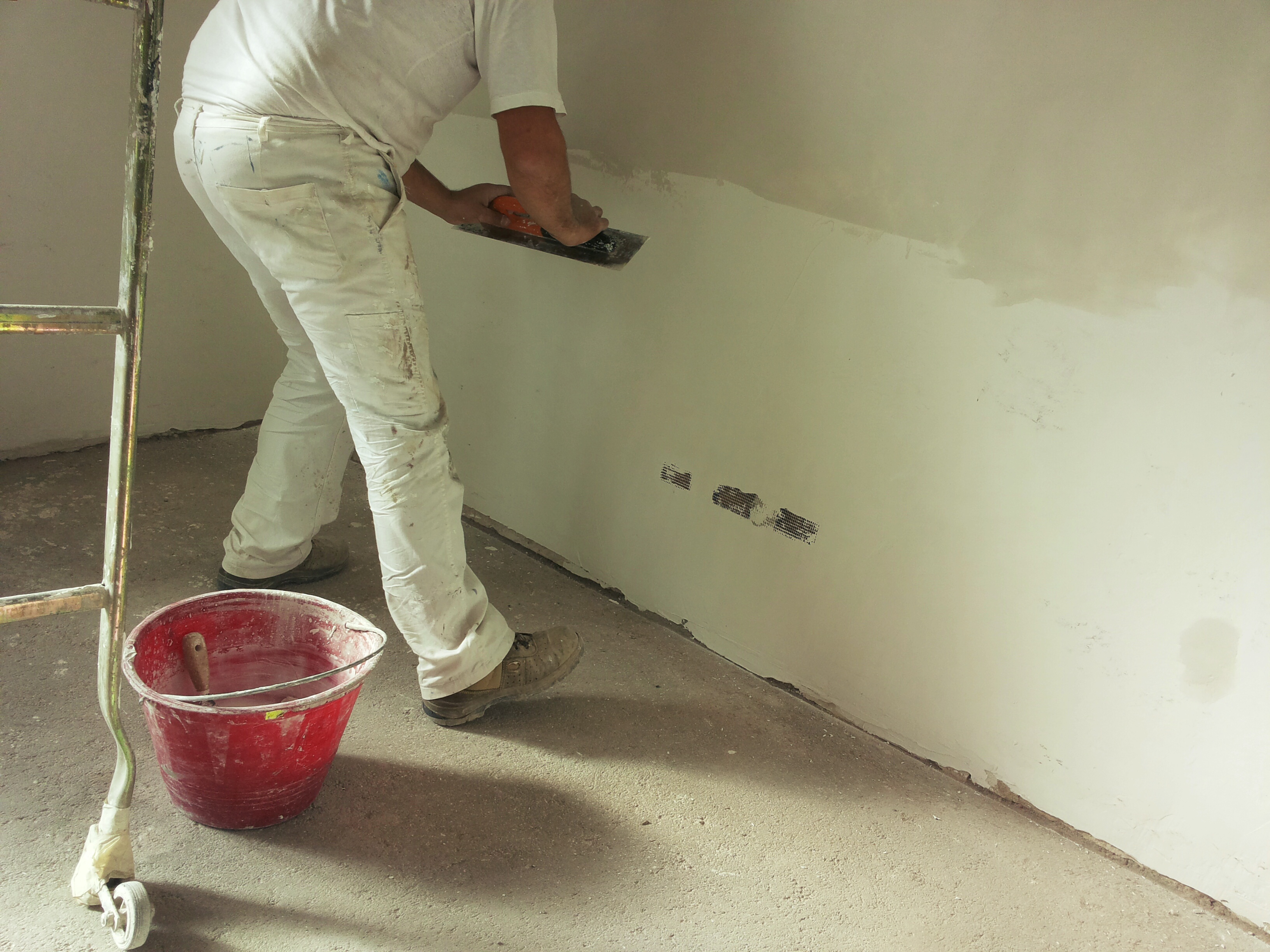
Creating beautiful interior spaces starts with high-quality wall preparation. Whether you are renovating an older property or finishing a newly built home, the condition of your walls plays a significant role in the final appearance. Professional wall finishing not only enhances aesthetics but also improves durability, making your paint or wallpaper last longer.
Plastering, Skimming, and plasterboard walls are essential elements of modern interior construction and renovation. Each serves a unique purpose while contributing to smooth, attractive, and long-lasting walls and ceilings. Understanding the differences between these techniques helps homeowners and property managers make informed decisions for their projects.
This guide explores everything you need to know about plastering, skimming, and plasterboard walls, including their benefits, applications, materials, and maintenance tips.
Understanding Modern Wall Finishing
Wall finishing is the process of preparing surfaces so they are ready for painting, wallpapering, or decorative treatments. A properly finished wall creates a flawless appearance while protecting the underlying structure from minor damage and everyday wear.
Professional wall finishing generally involves repairing imperfections, creating even surfaces, and ensuring excellent adhesion for decorative finishes. The chosen method depends on the condition of the existing walls and the desired final result.
What Is Plastering?
Plastering is the process of applying a layer of plaster to walls or ceilings to create a hard, smooth, and durable surface. It has been used for centuries in both residential and commercial buildings.
Benefits of Plastering
- Creates a strong and durable wall surface.
- Covers uneven brickwork or masonry.
- Improves fire resistance.
- Offers excellent sound insulation.
- Provides a smooth base for decorating.
- Increases the lifespan of interior walls.
Modern plaster is available in various formulations designed for different applications, including gypsum plaster, cement plaster, and lime plaster. Each material has its own advantages depending on environmental conditions and project requirements.
Common Applications
Plastering is commonly used for:
- New home construction
- Home renovations
- Ceiling repairs
- Internal wall finishing
- Commercial property refurbishment
- Repairing damaged masonry
What Is Skimming?
Skimming is a finishing technique that involves applying a very thin layer of finishing plaster over an existing wall or ceiling. Unlike full plastering, skimming focuses on producing an exceptionally smooth surface suitable for painting or wallpapering.
Advantages of Skimming
A skim coat offers several practical benefits:
- Hides small cracks and imperfections.
- Refreshes old plaster surfaces.
- Creates an ultra-smooth finish.
- Reduces visible repair marks.
- Improves paint adhesion.
- Enhances overall room appearance.
Skimming is often recommended when existing plaster remains structurally sound but has cosmetic defects that affect the final finish.
When Is Skimming Needed?
Skimming is ideal when:
- Old walls have hairline cracks.
- Previous wallpaper removal has damaged the surface.
- Walls have minor dents or scratches.
- New plasterboard requires a finishing coat.
- Surface texture needs improvement before decorating.
Understanding Plasterboard Walls
Plasterboard, also known as drywall or gypsum board in some regions, has become one of the most popular building materials for interior walls and ceilings. It consists of a gypsum core sandwiched between layers of durable paper.
Plasterboard offers a fast, efficient, and cost-effective alternative to traditional masonry wall construction.
Benefits of Plasterboard
Plasterboard provides numerous advantages:
- Quick installation
- Lightweight construction
- Smooth finishing surface
- Excellent fire resistance
- Good thermal insulation
- Effective sound reduction
- Easy repair and replacement
- Cost-efficient installation
Because of these benefits, plasterboard is widely used in homes, offices, schools, retail spaces, and commercial developments.
Types of Plasterboard
Different projects require different plasterboard products.
Standard Plasterboard
Suitable for general interior walls and ceilings in dry environments.
Moisture-Resistant Plasterboard
Designed for kitchens, bathrooms, and laundry rooms where humidity levels are higher.
Fire-Resistant Plasterboard
Contains special additives that improve fire protection, making it suitable for garages, stairwells, and commercial buildings.
Acoustic Plasterboard
Engineered to reduce sound transmission between rooms.
Impact-Resistant Plasterboard
Offers increased durability in areas exposed to heavy use, such as schools and public buildings.
Comparing Plastering and Skimming
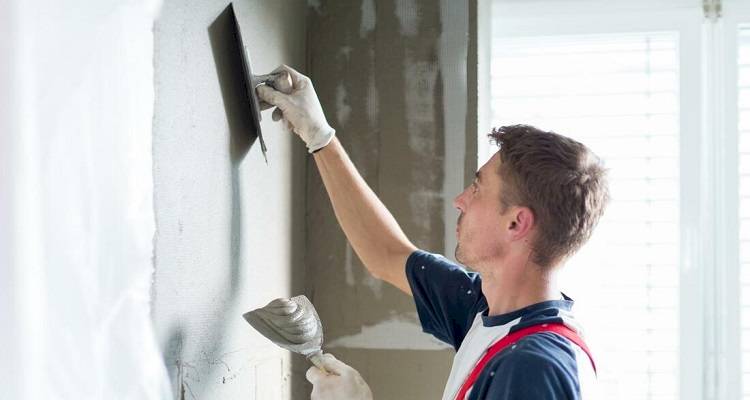
Although the terms are sometimes used interchangeably, they refer to different processes.
| Feature | Plastering | Skimming |
|---|---|---|
| Thickness | Thick coat | Thin finishing coat |
| Purpose | Build wall surface | Smooth existing surface |
| Best For | New construction | Renovations and repairs |
| Material Usage | Higher | Lower |
| Time Required | Longer | Shorter |
Choosing the appropriate method depends on the wall’s condition and the desired outcome.
Installation Process
Professional wall finishing follows a structured process to ensure lasting results.
Surface Preparation
Preparation is one of the most important stages. Professionals remove loose material, repair structural damage, clean dust, and apply bonding agents where necessary.
Applying the Base
If plastering is required, the base coat is carefully applied to create an even surface and fill irregularities.
Finishing Layer
The finishing coat is then applied using specialist tools to achieve a perfectly smooth appearance.
Drying Time
Proper drying is essential. Rushing this stage may lead to cracking, poor adhesion, or uneven finishes.
Final Inspection
After drying, the surface is inspected for consistency before decorating begins.
Common Problems and Solutions
Even quality walls may develop issues over time.
Cracks
Hairline cracks often result from natural building movement. These can usually be repaired before repainting.
Blisters
Poor adhesion or trapped moisture may create blisters beneath the plaster surface.
Damp Damage
Water leaks can weaken plaster and plasterboard, requiring repairs after the moisture source is eliminated.
Uneven Surfaces
Older homes sometimes have irregular walls that benefit from professional skimming before decoration.
Tips for Maintaining Finished Walls
Proper maintenance helps preserve smooth walls for many years.
- Clean walls gently using soft cloths.
- Repair minor cracks promptly.
- Control indoor humidity.
- Address plumbing leaks immediately.
- Avoid heavy impacts.
- Repaint periodically to protect surfaces.
Routine inspections allow small problems to be corrected before they become major repairs.
Choosing Professional Contractors
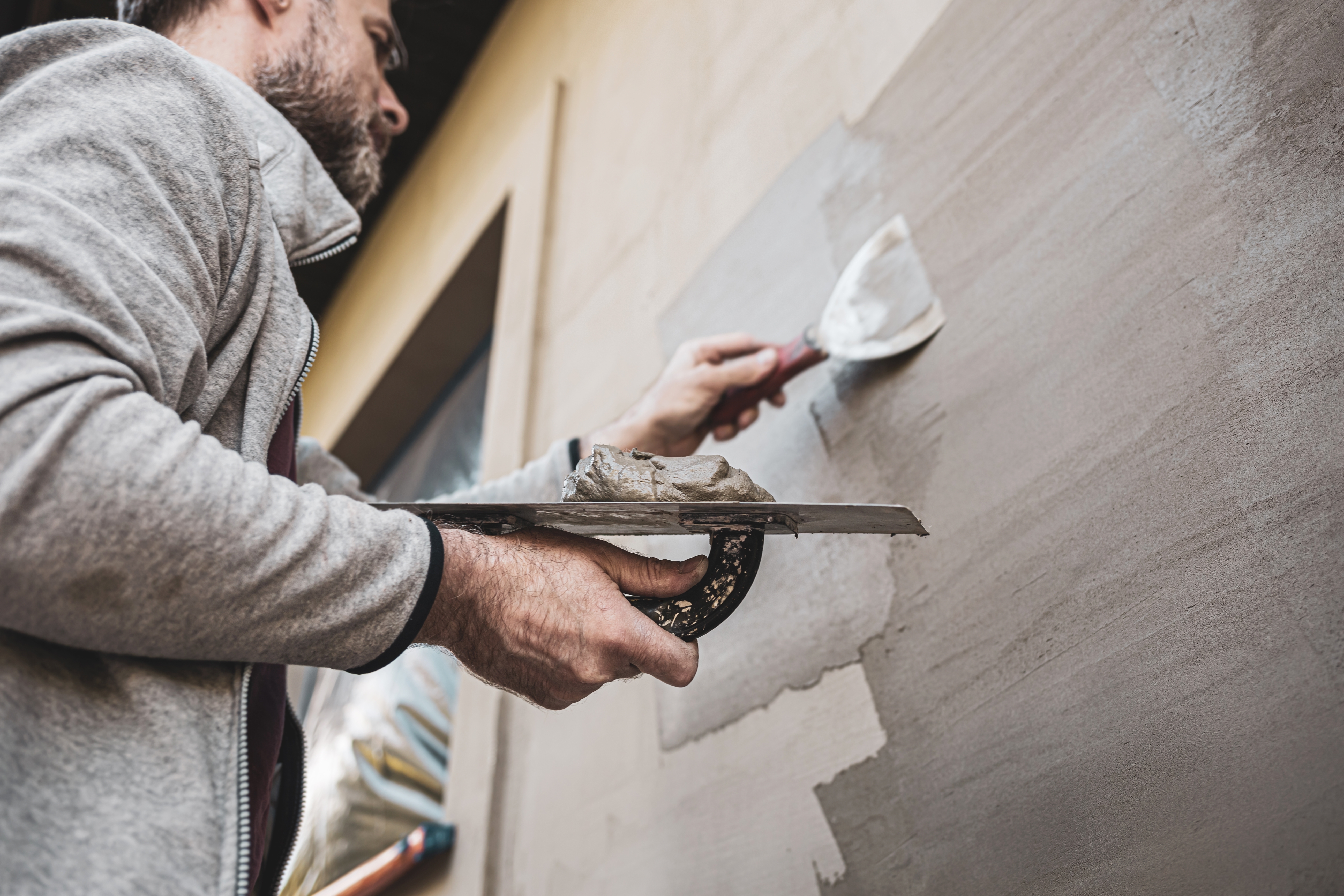
Selecting experienced professionals can make a significant difference in the quality of the finished work.
When comparing contractors, consider:
- Industry experience
- Previous completed projects
- Customer reviews
- Proper licensing where applicable
- Detailed written quotations
- Clear project timelines
- Warranty coverage
Reliable workmanship contributes to longer-lasting and better-looking interior finishes.
Why Quality Workmanship Matters
High-quality workmanship provides more than visual appeal. Properly finished walls improve property value, increase durability, and reduce future maintenance costs.
Experienced professionals understand correct material selection, moisture management, drying times, and finishing techniques. These details help prevent common issues such as cracking, peeling, and uneven surfaces.
For homeowners planning renovations, working with trusted specialists like Ultimate Painters and Renovations can help ensure every stage of wall preparation is completed to a professional standard.
Preparing Walls for Decoration
Before painting or wallpapering, finished walls should be fully cured and cleaned.
Recommended preparation includes:
- Light sanding if required
- Removing dust
- Applying primer
- Using high-quality paint or wallpaper adhesive
- Following manufacturer drying recommendations
Proper preparation produces a more attractive and longer-lasting decorative finish.
Sustainable Building Considerations
Many modern wall finishing materials are now manufactured with sustainability in mind. Recyclable plasterboard products, low-emission materials, and improved production methods contribute to environmentally responsible construction practices.
Reducing waste through accurate measurements and responsible disposal also supports greener renovation projects.
Homeowners increasingly choose contractors who understand sustainable building practices and efficient material usage. Companies such as Ultimate Painters and Renovations often emphasize quality workmanship alongside responsible renovation methods, helping clients achieve attractive interiors while minimizing unnecessary waste.
Conclusion
Smooth, durable walls form the foundation of every attractive interior space. Understanding the roles of plastering, skimming, and plasterboard enables homeowners to choose the right solution for renovations, repairs, or new construction projects. Proper preparation, quality materials, and skilled workmanship all contribute to finishes that remain beautiful and durable for years.
Whether improving a single room or renovating an entire property, investing in professional wall finishing ensures excellent results that enhance appearance, increase durability, and provide the perfect surface for future decoration. By understanding the strengths of Plastering, Skimming, and plasterboard walls, property owners can make informed decisions that deliver lasting value, comfort, and visual appeal.