Most couples spend months choosing the right blooms, arguing over peonies versus garden roses, debating color palettes late at night. What they rarely stop to think about is how those flowers actually get to the venue, and what condition they arrive in.
That part gets skipped in almost every planning conversation. Professional wedding flower delivery sits right at the intersection of floral design and event logistics. Most florists are gifted at one. Not always both.
Getting those details sorted before booking can make all the difference on the morning itself. The logistics behind flowers are worth understanding, and most florists will not raise the subject unless you ask first.
Why Wedding Flower Delivery Is More Complicated Than People Expect
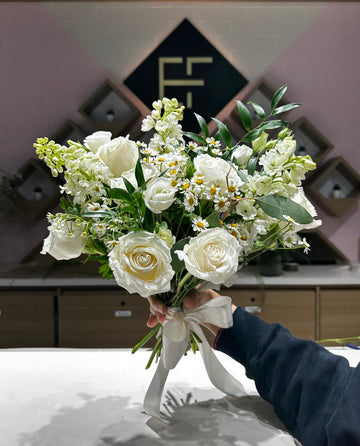
Wedding florals are not grocery store bouquets. They are conditioned, staged, and assembled hours before they ever leave the shop, and everything from temperature to transit time affects how they hold up by the time the ceremony starts. A lot can go wrong between the cooler and the altar.
Here is what most couples do not account for going in:
- Florists often run multiple deliveries on the same day: Your wedding is not their only booking that Saturday. Timing conflicts are common, and unless you have a confirmed window in writing, “morning delivery” can mean almost anything.
- Temperature swings are a real issue: Spring weddings in April can go from a cold morning to a warm afternoon faster than expected. Summer outdoor receptions are even less forgiving. Without a refrigerated vehicle, a bridal bouquet can wilt well before the first dance.
- Delivery windows are often vague: A reliable wedding flower delivery service will coordinate directly with your venue and confirm a specific arrival time. A casual arrangement typically does not include that step.
- Drop-off and setup are two different things: Many florists will leave boxes at the door and consider the job done. Someone still has to place centerpieces, distribute boutonnieres, and handle the ceremony arch. That responsibility rarely gets clarified upfront.
- Venue access windows add another layer: Most reception halls have strict load-in schedules. If the florist shows up outside that window, nothing gets in on time regardless of how beautiful the arrangements are.
What a Professional Wedding Flower Delivery Service Actually Includes
Booking a florist and booking a professional delivery service are not always the same thing. The design consultation gets all the attention, but what happens on the actual morning is a separate conversation worth having early.
Here is what a proper service actually covers.
Scheduled, Venue-Coordinated Delivery Windows
This goes beyond a rough time estimate. A professional florist will contact your venue coordinator directly, confirm the load-in schedule, and plan arrival around it. Ceremony flowers need to be in place before guests arrive. Reception centerpieces need to be set before the room opens. These are two different timelines, and a good florist treats them that way.
If the venue has a strict access window, which most do, the florist accounts for that in advance rather than figuring it out on the morning of.
Temperature-Controlled Transport
This is the detail most couples never think to ask about, and it matters more than most people realize. Flowers are perishable. A delivery van without climate control on a warm July afternoon is not a suitable environment for a bridal bouquet or a set of table arrangements that need to last through a five-hour reception.
A reliable wedding flowers delivery setup uses refrigerated vehicles or properly insulated packaging with hydration to keep stems fresh from the shop to the venue. That is not standard across every florist, so it is worth asking directly before signing anything.
On-Site Setup and Placement Support
Dropping off boxes is not the same as completing the job. Professional services include a team member staying on-site to place centerpieces, position the ceremony arch, distribute boutonnieres, and handle any last-minute adjustments. Outdoor venues, in particular, require someone present because wind, sun, and uneven surfaces all affect how arrangements sit and hold.
This is the part of the service that couples feel most on the day itself. When every arrangement is in the right place without anyone from the wedding party having to think about it, that is what a properly managed delivery actually looks like.
How to Choose the Right Wedding Flower Delivery Service
Most couples evaluate florists based on portfolio photos and pricing. Those things matter, but they do not tell you much about how a florist handles a Saturday morning with three deliveries, a tight venue window, and unexpected weather.
Here are the questions worth asking before you commit.
Ask About Their Delivery Experience With Your Venue Type
A florist who regularly handles hotel ballrooms may not be the right fit for a barn wedding two hours outside the city. Venue type affects setup time, access logistics, and how arrangements need to be packaged for transport. Experience with your specific setting matters more than a general track record.
Get Delivery Details in Writing
A professional wedding flower delivery service will have no hesitation putting the confirmed time, vehicle type, and setup responsibilities into the contract. If those details are vague or treated as afterthoughts, that is worth noting.
Look at Reviews for Logistics, Not Just Design
Search specifically for mentions of punctuality, setup quality, and how the florist communicated on the wedding day. Couples who had smooth mornings tend to say so directly. The same goes for those who did not.
Ask Who Is Responsible Once Flowers Arrive
Clarify upfront whether setup is included or an add-on. Knowing exactly who handles placement means there are no assumptions being made on one of the most scheduled days of your life.
Tips to Make Your Wedding Flower Delivery Go Smoothly
Even with a great florist booked, the morning of a wedding has a way of producing surprises. A few practical steps in the weeks before can prevent the kind of stress that nobody needs when they are already running on adrenaline and a very early alarm.
- Assign a dedicated point of contact for the delivery: That person should not be the bride, groom, or anyone in the wedding party. Pick a reliable family member or ask your planner to take on that role. They receive the flowers, confirm everything looks right, and handle any communication with the florist so the couple does not have to.
- Share the venue’s load-in schedule directly with your florist: Do not assume they will sort it out with the venue themselves. Send the contact name, access time, and any parking or entrance instructions at least two weeks out.
- Confirm all delivery details 48 hours before the wedding: A quick check-in call with whoever is managing your wedding flowers delivery is worth five minutes of your time. Confirm the arrival window, the vehicle, and who will be on-site for setup.
- Plan for the weather, especially in summer: For outdoor receptions, ask your florist about heat management specifically. Bouquets sitting in direct sun between the ceremony and reception will not hold up without proper handling.
- Have a cool, shaded space ready at the venue: Flowers that arrive early need somewhere to wait. A shaded room or indoor area keeps them fresh until placement and costs you nothing to organize in advance.
To Summarize
Flowers are in every photo from that day. They are on the table where the first toast happens, in the hands of everyone walking down the aisle, and in the background of moments that get framed and kept for decades.
The design gets most of the attention during planning. The delivery is what determines whether any of it actually shows up the way it was supposed to.
Getting that side of things right is not complicated. It just requires asking the right questions early enough to matter.