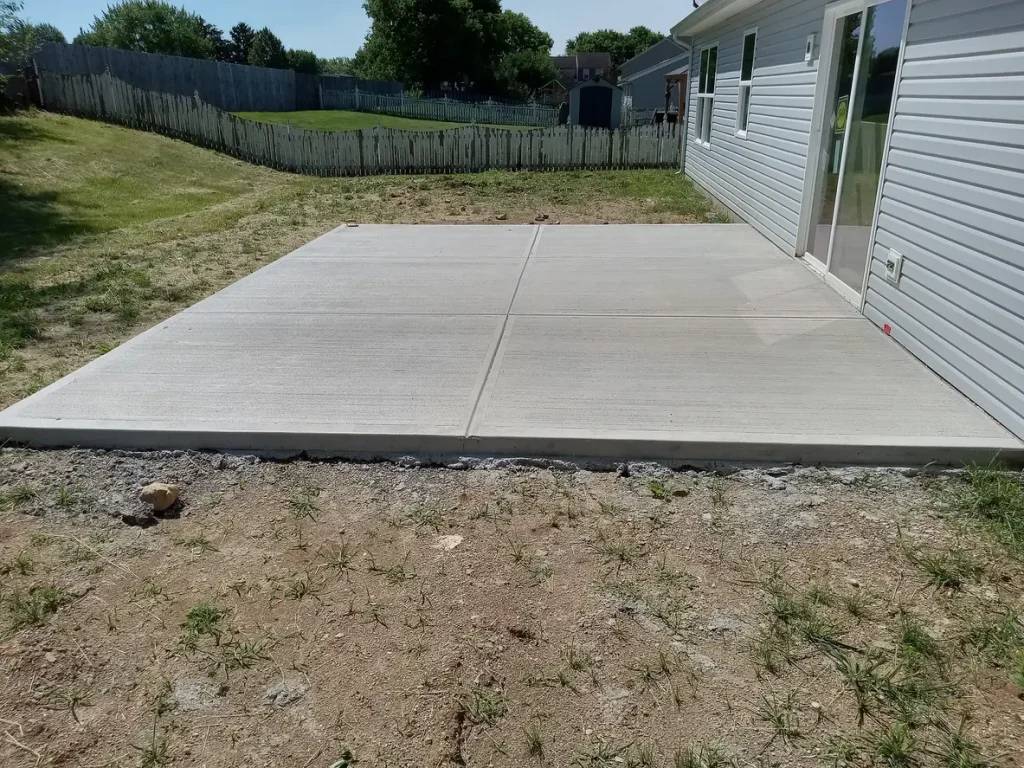
A concrete driveway should move rainwater away from your home, not leave you with puddles every time Melbourne gets a decent downpour. Poor drainage can lead to standing water, slippery surfaces, algae growth and moisture around garages or entry points.
For homeowners looking at concreters in Melbourne eastern suburbs, drainage deserves attention before any concrete is poured. The right fall, solid ground preparation and a sensible drainage plan can prevent many problems later. It is much easier to get the levels right during construction than to fix a driveway that already holds water.
In this guide, we’ll look at how driveway drainage works, what can go wrong and what you should discuss with your contractor before work begins.
1. Why Concrete Driveway Drainage Matters
When you hire concreters in Melbourne eastern suburbs, you are not simply paying for someone to pour and finish a slab. The contractor also needs to think about where rainwater will travel once it reaches the surface.
Concrete does not absorb much water. Rain lands on the driveway and follows the direction created by the finished levels. If those levels are wrong, water can collect in low spots or move towards areas where you do not want it.
Poor drainage can cause:
- Puddles that remain for hours or days
- Green algae and slippery areas
- Water collecting near a garage
- Dampness around building entrances
- Soil erosion beside the driveway
- Premature surface deterioration
- Problems where the driveway meets a footpath or crossover
Recent Melbourne renovation discussions show how frustrating these problems can become. Homeowners have reported water sitting on concrete side paths for one or two days after rain, while others have found that an incorrect fall sends water towards the house.
That is why drainage should form part of the initial driveway design.
2. Get the Fall Right Before the Concrete Goes Down
The fall is simply the slope that directs water from one part of the driveway to another.
A completely flat-looking driveway might seem like the obvious choice, but a surface still needs enough gradient for water to move. At the same time, you do not want an unnecessarily steep driveway that creates access problems.
The correct fall depends on the property.
Your contractor needs to consider the relationship between the house, garage, driveway, footpath, kerb and street. Existing ground levels also matter. On a sloping block, the design becomes more involved because the driveway needs to connect several different levels without creating a new drainage problem.
Cross-fall can also matter. Instead of allowing water to run straight down the length of the driveway, the surface may need to direct water towards an appropriate side or drainage point. This is where accurate set-out and formwork become important. Once the concrete has been poured and cured, changing the basic fall becomes far more difficult.
3. Should You Install a Channel Drain?
If the driveway cannot naturally direct water away from a particular area, a channel drain may provide a practical solution.
A channel drain is a narrow drainage system installed into the paved surface. It collects water and sends it towards a suitable outlet.
For concreters in Melbourne eastern suburbs, channel drains can be particularly useful around:
- Garage entrances
- Areas beside a house
- Driveways with restricted falls
- Transitions between paved areas
- Properties where surface water needs to be collected before reaching a building
However, adding a drain does not automatically solve poor drainage.
The drain needs to sit at an appropriate level, and the surrounding concrete needs to fall towards it. The outlet also needs to take the collected water somewhere suitable.
That distinction matters. A drain installed in the wrong position can simply become another place where water collects. Some homeowners facing drainage problems have considered grinding an existing slab, installing a channel drain or removing and repouring the affected section. The best option depends on why the water is pooling in the first place.
4. Prepare the Ground Properly
Good drainage starts below the concrete.
Before the pour, the site may require excavation, grading and sub-base preparation. The supporting material needs to provide a stable base for the driveway and should be properly compacted.
Why does this affect drainage?
Imagine a driveway that starts with a good fall. If the supporting ground later settles unevenly, sections of the slab can move. A small depression can then form, creating a spot where rainwater sits.
This is one reason you should not judge a concreting job solely by the finished surface. Ask about the preparation underneath it.
Depending on the project, preparation may involve:
- Removing unsuitable material
- Establishing the required levels
- Installing and compacting a suitable sub-base
- Setting accurate formwork
- Planning reinforcement where required
- Allowing for drainage points
- Checking the finished connection to surrounding surfaces
A strong-looking driveway still needs a stable foundation beneath it.
5. Keep Water Away From the Garage
The garage entrance is one of the first places to check when planning driveway drainage.
If the driveway falls towards the garage, rainwater can collect directly outside the entrance. Depending on the levels, water may then find its way inside. This becomes particularly important when the driveway sits close to the garage floor level.
Before construction begins, look at the relationship between:
street → driveway → garage entrance → house
Water should have a clear route away from vulnerable areas.
A contractor may recommend a surface fall, channel drain or another drainage arrangement depending on the site’s existing levels. Do not assume that a drain alone will protect the garage. The entire surface needs to work with the drainage system.
6. Pay Attention to the Driveway Crossover
The driveway does not stop at your front boundary.
It needs to connect with the footpath, nature strip, kerb and road. These connections can create tricky level changes, particularly on properties where the existing street levels leave little room for adjustment.
Council requirements can also apply to crossover work because part of the construction may occur within the road reserve.
For example, Victorian councils can require approval or permits for new or modified vehicle crossings, with requirements around drainage and road reserve works varying between councils.
So, before starting a new crossover, check the requirements that apply to your property. A good contractor should also identify potential level problems during the quoting process rather than discovering them after excavation has started.
7. What Drainage Options Can You Use?
There is no single solution that works for every driveway.
The best option depends on the property’s levels, surrounding surfaces and existing stormwater arrangements.
Surface fall
If the site allows it, the simplest approach may be to shape the driveway so rainwater flows naturally towards an appropriate outlet.
Channel drain
A channel drain collects water along a defined line. It can work well near garages or along areas where water needs to be intercepted.
Spoon drain
A spoon drain creates a shallow channel that guides surface water along an edge or defined section.
Stormwater connection
Where permitted and appropriate, collected water may be directed towards an existing stormwater system.
Permeable areas
Depending on the property, surrounding garden areas or other suitable surfaces may help manage some runoff.
The important point is to design the drainage around the property rather than choosing a product first and trying to make the driveway fit around it.
8. What If Your Existing Driveway Holds Water?
If your existing driveway develops puddles, start by finding the cause.
Watch what happens during rainfall. Where does the water come from? Where does it stop? How long does it remain?
Then check for:
- Blocked drains
- Settlement
- Incorrect surface fall
- Low spots
- Changes to surrounding landscaping
- Edges that prevent water from escaping
- Water flowing onto the driveway from another area
A blocked drain is a relatively straightforward maintenance issue. A driveway that falls towards the house is a different problem. In some cases, a contractor may be able to improve drainage without replacing the entire driveway. In others, the concrete itself may need to be altered or replaced.
Recent Melbourne homeowners have discussed options ranging from grinding a new fall into existing concrete to installing channel drains or repouring sections where the original grading was incorrect. The right answer depends on the condition of the slab and the amount of correction required.
9. Think About Drainage During Landscaping
Your driveway does not operate independently from the rest of the front yard.
New garden beds, retaining edges, paving and soil can change where rainwater travels. For example, a raised garden bed along the driveway edge can stop water from escaping. A new paved area can also send additional runoff towards the driveway.
That means drainage should be considered whenever you change the surrounding landscaping. If you are replacing both the driveway and front landscaping, plan them together. It can save you from having to cut into new concrete later to deal with a drainage problem.
10. Maintain Your Drainage System
Even a well-designed driveway needs basic maintenance.
Leaves, soil and other debris can build up around drainage grates. Over time, that material can restrict the flow of water.
Every so often, check the drainage points around your driveway. Remove visible debris and make sure water can reach the outlet. It is also worth watching the driveway after heavy rain.
If water suddenly starts pooling in an area that previously drained well, investigate it. The problem could be a blocked drain, soil movement, settlement or a change to the surrounding landscape. Early attention can prevent a small drainage issue from becoming a much larger repair.
11. Questions to Ask Your Concreting Contractor
Before you approve a driveway quote, ask a few practical questions.
Where will the water go?
A contractor should be able to explain the intended drainage route.
What fall will the driveway have?
You do not need to calculate the gradient yourself, but you should understand how the surface will direct water.
Will I need a channel drain?
This depends on the property’s levels and where water needs to be intercepted.
How will the driveway connect to the garage?
The garage threshold needs particular attention.
How will the crossover work?
Ask how the new driveway will meet the footpath, kerb and street.
What preparation will happen underneath the concrete?
Good site preparation plays an important role in preventing settlement and future low spots.
Are there council requirements I need to know about?
Crossover and drainage requirements can vary by location, so confirm what applies before construction.
These questions can also help you compare quotes. A detailed proposal that addresses drainage and site preparation gives you a clearer idea of what you are actually paying for.
12. Why Local Experience Matters
Drainage problems are rarely identical from one property to another.
One driveway might have plenty of natural fall. Another might have a garage sitting close to the street level. A third could have an existing stormwater issue that needs attention before concreting begins.
That is why local site knowledge matters.
Established concreters in Melbourne eastern suburbs should be comfortable discussing driveway falls, crossover connections, surface water and the practical constraints of residential properties. The contractor should also look beyond the concrete itself. The goal is not simply to produce a smooth finished surface. The driveway needs to work with the rest of the property.
Key Takeaways
Good driveway drainage starts with planning.
Before the first load of concrete arrives, check the existing levels, decide where rainwater should go and identify any areas where water could collect. Make sure the driveway connects properly with the garage, footpath and crossover. If your existing driveway already holds water, find out why before choosing a repair. A blocked drain may need cleaning. An incorrect fall may require more substantial work.
For homeowners considering a new driveway, concreters in Melbourne eastern suburbs can assess the site and recommend a drainage approach that suits the property’s levels and layout.The key is simple: do not treat drainage as an add-on. Build it into the driveway design from the start.