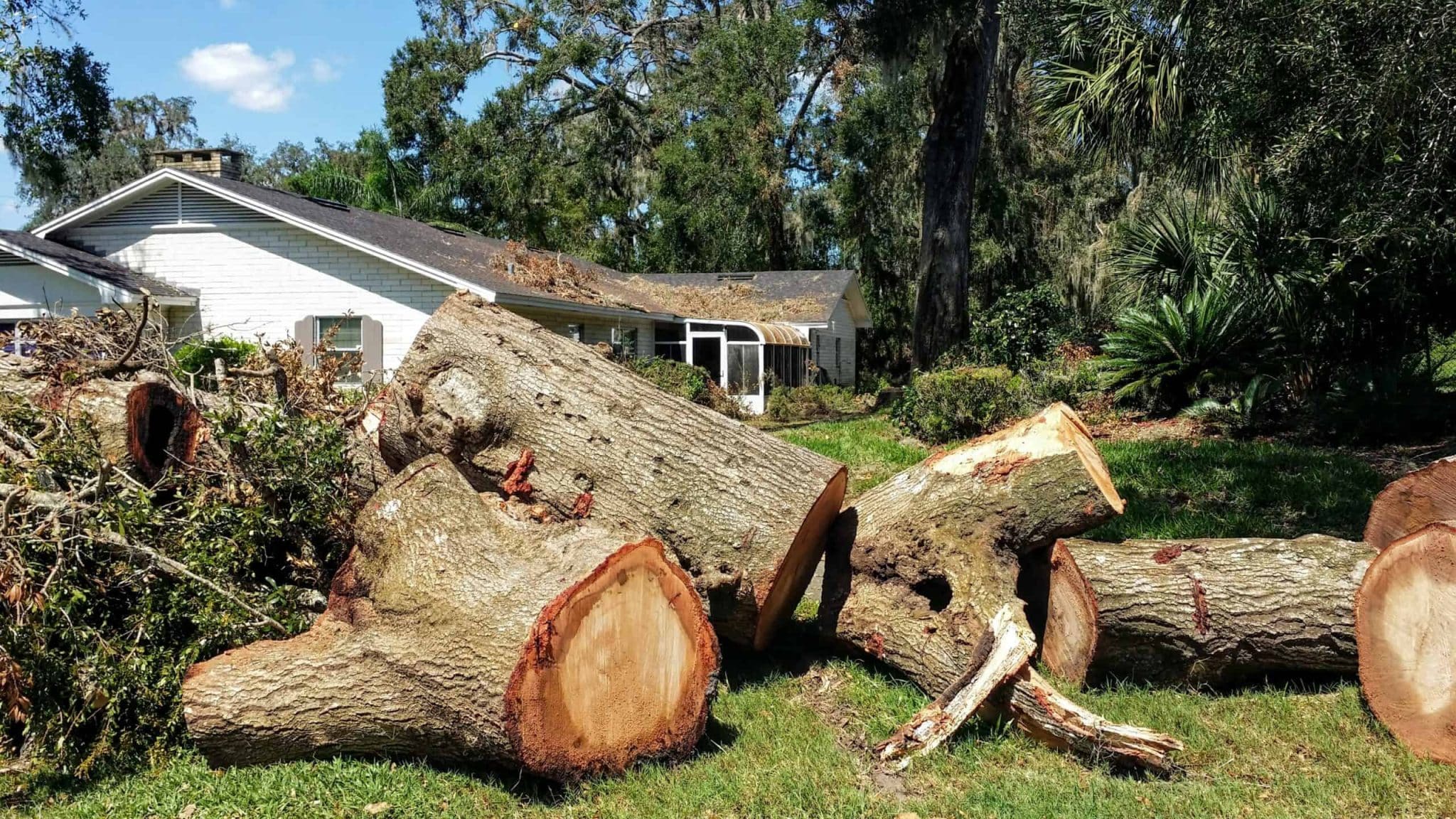
Trees add beauty, shade, privacy, and character to residential and commercial properties throughout Charlotte, NC. However, a tree that becomes dead, unstable, damaged, or uprooted can quickly turn from an attractive landscape feature into a serious property hazard. Charlie Tree Services helps homeowners and businesses address dangerous tree conditions with professional tree care designed around safety, efficiency, and proper cleanup.
When a tree has died because of disease, age, storm damage, root problems, or environmental stress, professional Dead Tree Removal Charlotte NC services can help reduce the risks associated with falling branches and unstable trunks. Dead trees can deteriorate over time, making them increasingly unpredictable, particularly during strong winds or severe weather. Removing a hazardous tree before it causes damage can be an important part of responsible property maintenance.
Charlotte properties can experience a variety of tree related problems throughout the year. Heavy rain, strong winds, thunderstorms, changing weather conditions, and natural tree decline can weaken branches and trunks. A damaged tree may also interfere with roofs, driveways, sidewalks, fences, utility areas, and other structures. Knowing how to recognize tree hazards and when to call a professional can help protect your property and the people around it.
Why Dead Trees Can Become Dangerous?
A dead tree does not simply stop growing. Once a tree dies, its wood can gradually lose strength and become more vulnerable to decay, insects, weather exposure, and structural failure. Branches may weaken before the entire tree becomes visibly unstable, creating risks that are not always obvious from the ground.
Dead Branches Can Fall Without Warning
One of the most common hazards associated with dead trees is falling branches. Dead branches can become brittle and may break during ordinary wind conditions. Larger branches can cause significant damage when they fall onto roofs, vehicles, fences, landscaping, or outdoor structures.
Even branches that appear relatively small can create hazards when they are positioned above frequently used areas. A branch extending over a driveway, walkway, patio, or play area deserves particular attention.
Structural Weakness Can Increase Over Time
A dead or severely declining tree can gradually lose structural integrity. Decay may affect the trunk, major limbs, or root system. Cracks, cavities, fungal growth, loose bark, and large dead sections can sometimes indicate that a tree requires professional evaluation.
Waiting until a tree falls can result in a more complicated and expensive cleanup project. It may also increase the possibility of damage to surrounding property.
Dead Trees Can Affect Surrounding Trees
A declining tree may also create problems for the surrounding landscape. Weak branches can fall into neighboring trees, while decaying wood may attract insects and other organisms. In some situations, removing a severely compromised tree can make it easier to maintain the health and safety of the remaining landscape.
How to Recognize a Tree That May Need Removal?
Homeowners do not always need to remove a tree simply because it looks old. Some mature trees remain healthy and structurally sound for many years. The important consideration is whether the tree presents a meaningful safety or property risk.
Several warning signs deserve attention.
Look for Dead or Bare Sections
Large areas of dead branches, missing foliage, or branches without healthy buds can indicate that part of a tree is declining. A single dead branch may be manageable through professional trimming, while widespread decline can indicate a more serious problem.
Check for Cracks and Splits
Visible cracks in the trunk or major branches can indicate structural weakness. Cracks can become especially concerning when they appear near large limbs, branch connections, or areas already affected by decay.
Watch for Leaning
A tree that has developed a noticeable lean may require professional assessment. A natural lean does not automatically mean that removal is necessary, but a sudden change in position can be a warning sign.
Trees that lean after heavy rain, strong winds, or soil movement deserve particular attention.
Inspect the Root Area
The root system provides the foundation that keeps a tree stable. Exposed roots, damaged roots, soil movement, or significant changes around the base can affect stability.
Homeowners should avoid attempting to diagnose structural problems themselves when a large tree is involved. Professional tree workers have the equipment and experience needed to assess difficult situations more safely.
What Causes Trees to Die in Charlotte?
Tree decline can have many causes. Understanding the potential causes can help property owners recognize problems earlier and make better decisions about maintenance.
Age and Natural Decline
Trees have different life spans depending on species and growing conditions. As a tree ages, certain branches or sections may naturally decline. Older trees may also become more susceptible to disease, decay, storm damage, and structural problems.
Disease and Insect Damage
Disease and insect activity can weaken trees over time. Symptoms may include unusual leaf loss, dead branches, damaged bark, discoloration, holes, or declining growth.
A tree that appears unhealthy should be evaluated before the problem becomes more extensive.
Storm Damage
Storms can break branches, split trunks, uproot trees, and damage root systems. Sometimes the damage is immediately obvious. In other cases, a tree may appear stable while having hidden structural damage.
Charlie Tree Service offers storm damage response and emergency tree services, with the company website highlighting 24 hour emergency availability for urgent storm situations.
Root Problems
Healthy roots are essential for tree stability and growth. Construction activity, soil compaction, drainage problems, physical damage, and environmental changes can affect root health.
When the root system is seriously compromised, a tree may become increasingly unstable.
Why Fallen Trees Require Prompt Attention?
A fallen tree can block access, damage structures, create electrical hazards, and leave large amounts of debris across a property. What initially appears to be a simple cleanup project can become dangerous when a large trunk or heavy branches are involved.
Homeowners should avoid using chainsaws or attempting to move large sections of a fallen tree without appropriate training and equipment.
Professional Fallen Tree Removal Charlotte NC services can help address the tree safely while reducing the risk of additional property damage.
Fallen Trees Can Block Driveways and Roads
A large tree can prevent vehicles from entering or leaving a property. Branches may also block sidewalks or access routes.
Prompt removal can restore access and allow the property owner to address additional damage.
Fallen Trees Can Damage Roofs and Structures
Trees that fall toward houses, garages, sheds, fences, or other structures may cause extensive damage. Even when the tree itself is no longer standing, its weight can continue to place pressure on the structure.
Professional removal should be approached carefully when a tree is resting against a building.
Storm Fallen Trees May Create Additional Hazards
Storm damaged trees can have broken limbs suspended above the ground or partially attached sections that may move unexpectedly. The situation can become more dangerous when wet conditions, unstable soil, or electrical hazards are present.
Professional tree removal crews can determine the safest approach for handling the tree and clearing the affected area.
Dead Tree Removal Versus Tree Trimming
Not every unhealthy tree requires complete removal. In some situations, selective tree trimming can remove dead or hazardous branches while preserving the rest of the tree.
The decision depends on the tree’s overall condition, location, structure, and level of risk.
When Trimming May Be Appropriate?
Tree trimming may be suitable when a tree remains structurally healthy but has individual dead, damaged, or overgrown branches. Professional trimming can also improve clearance around roofs, driveways, sidewalks, and other areas.
Charlie Tree Service describes its trimming work as focused on safety, clearance, appearance, sunlight, airflow, and tree health.
When Removal May Be Better?
Complete removal may be considered when a tree is extensively dead, structurally compromised, severely damaged, or presenting an unacceptable risk to people or property.
A professional evaluation can help determine whether preservation or removal is the more appropriate solution.
What Happens During Professional Tree Removal?
Professional tree removal involves more than simply cutting down a tree. A careful process helps reduce risks and protects the surrounding property.
Property Assessment
The first step is understanding the location and condition of the tree. Professionals consider nearby structures, vehicles, fences, landscaping, utility areas, access points, branches, trunk condition, and surrounding trees.
Planning the Removal
The removal strategy depends on the size and location of the tree. A professional crew determines how the tree can be safely dismantled or brought down while minimizing the possibility of damage.
Controlled Removal
Large or complicated trees may need to be removed in sections rather than taken down all at once. Professional equipment and appropriate safety procedures help workers manage branches and trunk sections.
Cleanup and Debris Removal
Tree removal can leave branches, logs, leaves, and other debris behind. Charlie Tree Service specifically highlights complete cleanup and debris removal as part of its tree removal service.
Proper cleanup helps restore the property and makes the area ready for future landscaping.
Practical Tips for Charlotte Property Owners
Regular observation can help property owners identify potential tree problems before they become emergencies.
Inspect Trees After Severe Weather
After a major storm, look for broken branches, hanging limbs, leaning trees, exposed roots, trunk damage, and fallen trees. Keep a safe distance from damaged trees until they can be properly evaluated.
Do Not Ignore Dead Branches
A dead branch over a driveway or walkway should not be ignored simply because it has not fallen yet. The longer a hazardous branch remains in place, the more opportunities there are for wind or weather to cause it to fall.
Keep Structures and Trees Under Observation
Trees growing close to houses and other structures deserve regular attention. Watch for branches touching roofs, trees leaning toward buildings, and limbs growing into areas where they could create a hazard.
Do Not Attempt High Risk Removal Yourself
Chainsaws and heavy tree sections can create serious hazards when handled without appropriate training. Large trees should be managed by qualified professionals with the right equipment and experience.
Schedule Professional Tree Care
Routine professional tree care can help identify problems before they become urgent. Charlie Tree Service provides tree removal, tree trimming, stump grinding, and storm damage services throughout Charlotte and surrounding communities.
A Practical Example of Preventive Tree Care
Consider a Charlotte homeowner with a large mature tree located close to the house. Over time, several major branches begin dying, and the homeowner notices bark deterioration and a few cracks in larger limbs.
The tree may still appear stable from a distance. However, the combination of dead branches and structural damage could create an increasing risk during strong winds.
Instead of waiting for a branch to fall onto the roof, the homeowner contacts a professional tree service for an assessment. Depending on the condition of the tree, the recommended solution could involve trimming hazardous branches or removing the tree entirely.
If the tree is determined to be unsafe for preservation, professional removal can eliminate the hazard. The crew can then clear the branches and trunk sections, remove debris, and leave the property ready for future landscaping.
This example demonstrates why proactive tree care can be valuable. Addressing a problem while access is straightforward may be safer and more manageable than responding after a tree has fallen.
Why Choose Charlie Tree Services?
Choosing the right tree service matters when a project involves large trees, hazardous branches, or storm damaged property. Charlie Tree Service serves Charlotte and surrounding communities, including Huntersville, Matthews, Mint Hill, Concord, Gastonia, and Indian Trail.
The company website states that Charlie Tree Service is licensed and insured and has more than 15 years of experience in Charlotte area tree care. It also highlights 24 hour emergency service and more than 100 customers served.
The company’s services include tree removal, tree trimming, stump grinding, and storm damage response. These services allow property owners to address both routine tree maintenance and urgent situations caused by severe weather.
Whether a tree has gradually declined or suddenly fallen after a storm, having an experienced professional evaluate the situation can help property owners make safer decisions.
When Should You Call a Tree Service?
If you notice a dead tree, large dead branches, significant cracks, sudden leaning, exposed roots, storm damage, or a fallen tree affecting your property, it is worth contacting a professional tree service.
You do not need to wait until the tree becomes an emergency. Early professional attention may help identify potential hazards before they result in property damage or injury.
For storm damaged trees, the need for quick action can be even greater. Keeping people away from the affected area and contacting a professional should take priority over attempting to move large branches or trunks yourself.
Conclusion
Dead and fallen trees can create serious challenges for Charlotte property owners, but prompt professional attention can help reduce unnecessary risks. Dead trees may develop weak branches, structural decay, and unstable sections, while fallen trees can block access, damage structures, and create dangerous cleanup conditions.
Regular inspections, professional trimming, and timely removal can help keep residential and commercial properties safer and better maintained. When a tree has become hazardous, working with an experienced tree service is generally safer than attempting complex removal without the proper equipment and training.
Charlie Tree Services provides professional tree care throughout Charlotte and surrounding communities, including tree removal, tree trimming, stump grinding, and storm damage response. If you are dealing with a dangerous tree or storm related debris, contact Charlie Tree Services for professional assistance. For reliable Fallen Tree Removal Charlotte, NC, reach out today to discuss your tree removal and cleanup needs.