Esotropia is a common type of eye misalignment in which one or both eyes turn inward toward the nose. It can appear during infancy or later in childhood. Early evaluation is important because persistent eye misalignment can affect normal visual development. Treatment may include glasses, amblyopia treatment, observation, or esotropia surgery, depending on the child’s age, vision, and type of eye deviation.
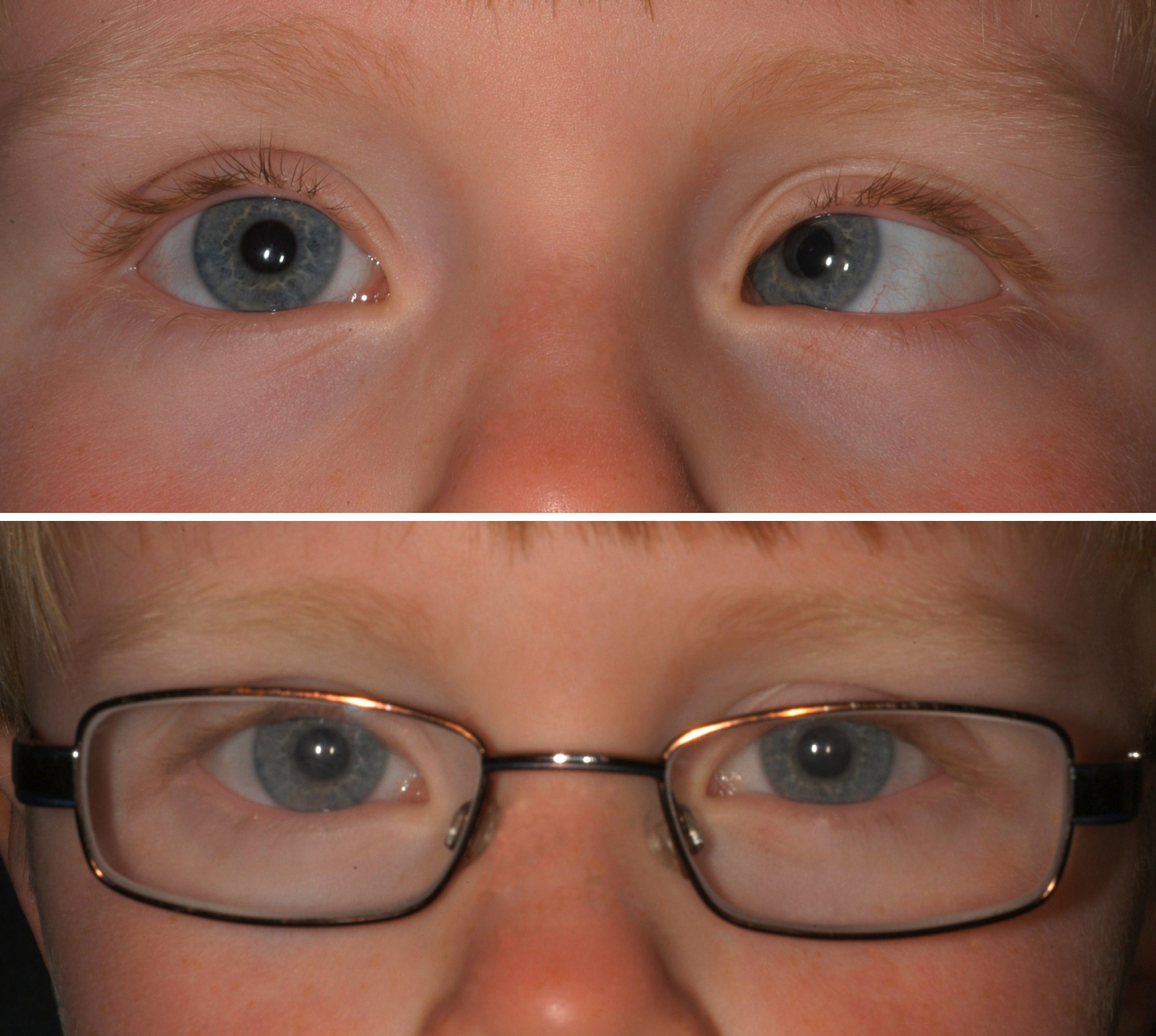
What Is Esotropia in Children?
A child with esotropia may have one eye that turns inward constantly, or the eyes may alternate. The inward turn can sometimes become more noticeable when the child is tired or focusing on nearby objects.
Parents may notice:
- One eye turning toward the nose
- Eyes that do not appear properly aligned
- Squinting or closing one eye
- Tilting or turning the head
- Difficulty judging distance
- Double vision in older children
If an eye frequently or constantly turns inward, an eye examination is recommended.
Why Does Esotropia Happen?
Childhood esotropia has several possible causes. Some children develop the condition because their eyes have difficulty focusing correctly. This is called accommodative esotropia and may improve significantly with the correct glasses.
Other children develop infantile esotropia during infancy. Esotropia can also occur when one eye has poorer vision than the other or in association with certain eye, muscle, or neurological conditions.
Because the causes are different, treatment should be based on a detailed examination.
How Is Esotropia Treated in Children?
There is no single treatment suitable for every child. The ophthalmologist may recommend glasses, amblyopia treatment, observation, or surgery depending on the child’s condition.
1. Glasses
Glasses are often an important first treatment when focusing problems contribute to the inward eye turn. In accommodative esotropia, the correct prescription may significantly improve eye alignment.
Children should wear their glasses according to the ophthalmologist’s instructions so the response can be properly assessed.
2. Amblyopia Treatment
Some children with esotropia also develop amblyopia, commonly known as lazy eye. When one eye sees less clearly, the brain may rely more heavily on the stronger eye.
Treatment may include patching the stronger eye for a prescribed period or other methods recommended by the eye specialist. The goal is to encourage better visual development in the weaker eye.
3. Observation and Follow-Up
Not every child needs immediate surgery. Some cases can be monitored while vision and eye alignment are checked regularly.
Follow-up appointments help determine whether glasses or other treatments are working and whether the eye deviation is changing.
4. Esotropia Surgery
When the eyes remain significantly misaligned despite appropriate non-surgical treatment, esotropia surgery may be considered. The procedure involves adjusting selected eye muscles to improve the position of the eyes.
The muscles treated depend on the amount and pattern of the deviation. Careful measurements are taken before surgery to create an individualized treatment plan.
| Treatment | Main purpose | Common use |
|---|---|---|
| Glasses | Correct focusing problems | Accommodative esotropia |
| Patching or amblyopia treatment | Improve vision in the weaker eye | Children with amblyopia |
| Observation | Monitor vision and alignment | Selected cases |
| Esotropia surgery | Improve eye alignment | Persistent or significant deviation |
When Does a Child Need Surgery?
Esotropia surgery is considered individually rather than simply based on the child’s age. It may be recommended when the inward eye turn remains significant despite appropriate glasses or other treatment.
The ophthalmologist may consider:
- The child’s age
- Type of esotropia
- Amount of eye deviation
- Vision in each eye
- Response to glasses
- Presence of amblyopia
- Ability of the eyes to work together
The goal is to achieve better eye alignment and, when possible, support binocular visual function.
Can Esotropia Be Completely Corrected?
Many children experience significant improvement with appropriate treatment. However, the outcome depends on the type of esotropia, visual development, treatment timing, and individual response.
Even after successful treatment, regular eye examinations may be recommended because eye alignment can change as a child grows.
Key Points for Parents
- Esotropia causes one or both eyes to turn inward.
- Early assessment can help support normal visual development.
- Glasses can correct some forms of esotropia.
- Amblyopia may need separate treatment.
- Esotropia surgery may be considered when significant misalignment persists.
- Treatment should be individualized for each child.
- Regular follow-up remains important after treatment.
Final Thoughts
Esotropia should be evaluated rather than judged only by how the eyes look. Depending on the cause, treatment may involve glasses, amblyopia management, observation, or esotropia surgery. Early assessment and regular follow-up can help guide treatment according to the child’s visual development and eye alignment.
For an individual assessment of your child’s eye alignment and treatment options, contact Halil Hüseyin Çağatay.
Frequently Asked Questions
1. Can esotropia in children go away on its own?
Some temporary changes in eye alignment can occur in young children, but persistent inward turning should be assessed by an ophthalmologist. Professional evaluation can help determine whether treatment is needed.
2. Do all children with esotropia need surgery?
No. Some children improve with glasses or amblyopia treatment. Surgery is considered when significant misalignment remains or when non-surgical treatment is not enough.
3. Can glasses correct esotropia?
Glasses can significantly improve some types, particularly accommodative esotropia. The result depends on the underlying cause and the child’s response to the prescription.
4. Is esotropia surgery safe for children?
Eye muscle surgery is commonly used to treat strabismus in children. Like any operation, it has potential risks, which should be discussed with the treating ophthalmologist before surgery.
5. Can esotropia return after treatment?
Yes. Eye alignment can change as a child grows. Some children may develop residual or recurrent misalignment and require further monitoring or treatment.