Food packaging is no longer viewed as a simple method of containing or transporting products. Today, it plays a vital role in preserving food quality, preventing contamination, extending shelf life, communicating essential product information, and ensuring regulatory compliance. As food supply chains become increasingly global and consumer expectations continue to rise, businesses must pay close attention to food safety requirements for packaging to protect public health and maintain brand credibility.
At the same time, manufacturers are investing in robust food safety traceability systems that enable products to be tracked from raw material sourcing to the consumer’s table. Together, safe packaging and traceability form the backbone of modern food safety management, helping businesses minimise risks, respond quickly to recalls, and comply with national and international regulations.
Why Food Packaging Is a Critical Food Safety Control
Packaging is often the final stage before a food product reaches the consumer. Any contamination introduced during packaging can compromise the safety of the product regardless of how carefully it was manufactured.
Modern food packaging performs several important functions:
- Protects food from physical contamination
- Prevents microbial growth
- Reduces exposure to moisture and oxygen
- Maintains freshness and nutritional quality
- Extends product shelf life
- Supports safe transportation and storage
- Provides mandatory consumer information
An effective packaging system preserves product integrity throughout the entire distribution chain.
Understanding Food Safety Requirements for Packaging
Food businesses must ensure that every packaging material coming into contact with food is safe, hygienic, and suitable for its intended use.
Some of the key food safety requirements for packaging include:
Food-Grade Packaging Materials
Packaging materials must be manufactured using food-safe substances that do not release harmful chemicals, odours, or contaminants into food products.
Common food-grade materials include:
- PET and HDPE plastics
- Glass
- Aluminium
- Stainless steel
- Food-grade paper and paperboard
- Laminated packaging films
Selecting the right material depends on the product’s temperature, acidity, moisture content, and storage conditions.
Hygienic Packaging Environment
Even high-quality packaging materials can become a contamination source if handled in unhygienic conditions.
Food facilities should maintain:
- Sanitised packaging lines
- Controlled environmental conditions
- Pest management programmes
- Employee hygiene protocols
- Routine cleaning and disinfection
- Preventive maintenance schedules
Good Manufacturing Practices (GMPs) play an essential role in maintaining packaging hygiene.
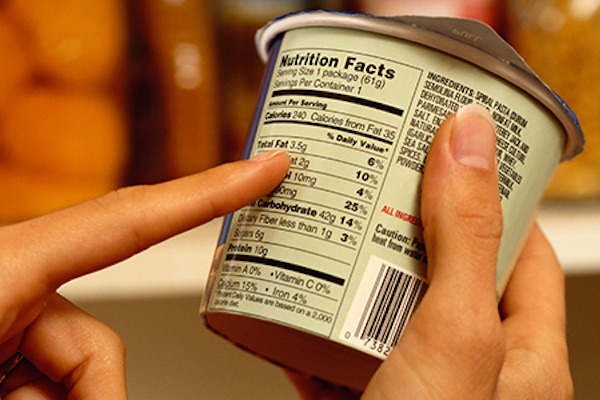
Proper Labelling
Accurate labelling protects consumers while ensuring regulatory compliance.
Food labels generally include:
- Product name
- Ingredients
- Allergen declarations
- Nutritional information
- Manufacturing date
- Expiry or best-before date
- Batch or lot number
- Storage instructions
- Manufacturer details
Incorrect or incomplete labelling can result in regulatory action and consumer safety risks.
Packaging Challenges Facing the Food Industry
Modern food manufacturers encounter several packaging-related challenges.
These include:
- Increasing sustainability expectations
- Longer transportation distances
- Changing regulatory requirements
- Counterfeit products
- Food fraud
- Complex global supply chains
- Temperature-sensitive distribution
Addressing these challenges requires integrated food safety systems supported by technology and continuous monitoring.
Why Traceability Has Become Essential
Consumers today expect complete transparency regarding the food they purchase.
Businesses therefore need systems capable of identifying:
- Where ingredients originated
- Which supplier provided raw materials
- When products were manufactured
- Which packaging materials were used
- Where products were distributed
- Which retail locations received each batch
A comprehensive food safety traceability system makes this information available quickly and accurately.
What Is a Food Safety Traceability System?
A food safety traceability system records every stage of a food product’s journey through the supply chain.
Rather than relying on manual documentation alone, many companies now integrate digital technologies that enable real-time product tracking.
Typical traceability systems record:
- Raw material procurement
- Supplier information
- Batch identification
- Processing records
- Packaging details
- Warehouse storage
- Transportation history
- Distribution channels
This end-to-end visibility allows organisations to identify problems rapidly whenever quality or safety concerns arise.
Benefits of Food Traceability
Faster Product Recalls
If contamination occurs, manufacturers can quickly identify affected batches instead of recalling every product in the market.
This reduces financial losses while protecting consumers.
Greater Consumer Trust
Consumers increasingly value transparency.
Traceability demonstrates accountability and strengthens brand credibility by showing that food safety remains a business priority.
Improved Regulatory Compliance
Food safety authorities increasingly require businesses to maintain complete production and distribution records.
Strong traceability systems simplify audits and demonstrate compliance with food safety regulations.
Better Supply Chain Management
Traceability provides valuable operational insights that help businesses improve inventory management, reduce waste, and optimise supplier performance.

Technology Is Transforming Packaging and Traceability
Modern food businesses are adopting digital technologies that improve both packaging safety and traceability.
These include:
- QR codes
- Barcoding systems
- RFID tags
- IoT sensors
- Cloud-based traceability software
- Blockchain-enabled supply chains
- Digital batch management systems
These technologies allow manufacturers to monitor products throughout their lifecycle while improving visibility across complex supply networks.
Packaging Sustainability and Food Safety
Sustainability has become another major focus within food packaging.
Manufacturers are increasingly exploring:
- Recyclable packaging
- Compostable materials
- Reduced plastic usage
- Lightweight packaging
- Renewable packaging materials
However, sustainable packaging must continue meeting all food safety requirements for packaging without compromising product quality or shelf life.
Balancing environmental responsibility with food protection remains one of the industry’s most important objectives.
Developing a Strong Food Safety Culture
Packaging and traceability systems are only effective when supported by trained personnel.
Employees should understand:
- Hygiene practices
- Packaging procedures
- Contamination prevention
- Documentation requirements
- Traceability protocols
- Regulatory expectations
- Corrective actions
Continuous training creates a culture where every employee contributes to food safety.
Building Industry Skills Through Professional Training
As food regulations become increasingly complex, businesses require skilled professionals who understand packaging compliance, traceability systems, quality assurance, and food safety management.
Training programmes help learners understand:
- Food packaging standards
- FSSAI regulations
- HACCP principles
- GMP implementation
- Traceability technologies
- Food quality management
- Packaging quality control
These competencies are becoming increasingly valuable across food manufacturing, processing, logistics, retail, and export industries.
How FICSI Supports Food Safety Excellence
The Food Industry Capacity & Skill Initiative (FICSI) develops industry-oriented training programmes that prepare professionals for the evolving food processing sector. Through specialised courses in food safety, quality assurance, packaging technologies, food regulations, manufacturing operations, and supply chain management, FICSI helps learners build practical skills aligned with industry requirements. Its programmes bridge the gap between academic knowledge and workplace expectations, enabling organisations to strengthen compliance, improve operational efficiency, and build safer food systems.
Conclusion
Meeting food safety requirements for packaging is no longer limited to selecting appropriate packaging materials. It requires a comprehensive approach that combines hygienic operations, regulatory compliance, accurate labelling, trained personnel, and modern packaging technologies. At the same time, implementing a reliable food safety traceability system enables businesses to monitor products across the supply chain, respond quickly to safety concerns, and build lasting consumer confidence. As food safety expectations continue to evolve, organisations that invest in skilled professionals and robust safety systems will be better positioned to protect consumers, maintain compliance, and achieve sustainable growth in an increasingly competitive food industry.