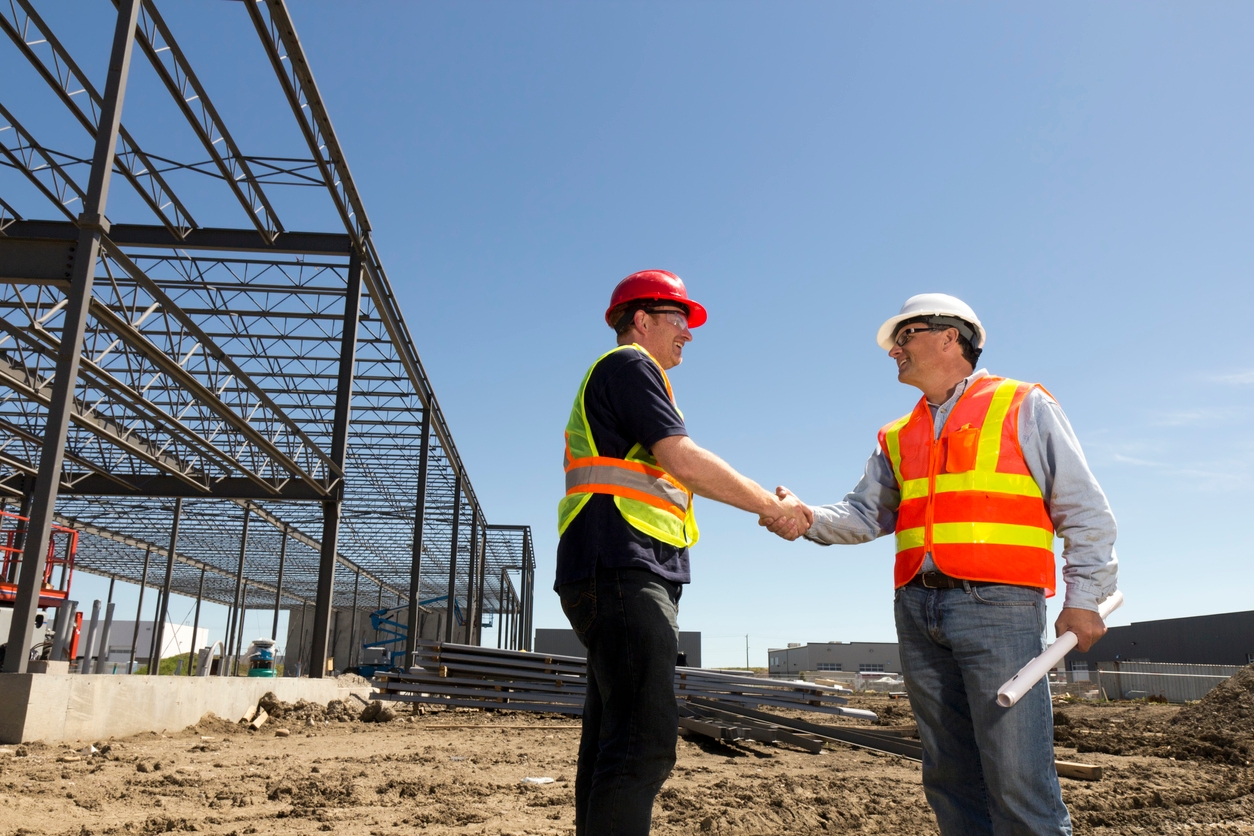
Home improvement projects can completely change the comfort, appearance, and functionality of a property. Whether you are planning a major renovation, updating an outdated interior, or preparing your property for a new construction project, choosing the right construction professional is one of the most important decisions you can make. Leon’s Construction helps homeowners bring their ideas to life through dependable workmanship, thoughtful planning, and practical construction solutions. A successful project requires more than quality materials. It also depends on careful preparation, skilled professionals, clear communication, and attention to every detail from the initial planning stage through completion.
For homeowners considering a construction project, General Contractor Services in Escondido, CA can provide the professional coordination needed to keep different stages of a project organized and moving efficiently. A qualified contractor can help manage scheduling, materials, subcontractors, permits, construction activities, and quality control while keeping the homeowner informed throughout the process. This becomes especially valuable when several areas of a home need attention at the same time. With the right construction team, homeowners can approach complex improvements with greater confidence and a clearer understanding of what needs to happen at every stage.
Understanding the Role of a Construction Contractor
A construction project involves many individual tasks that must work together. Planning, demolition, site preparation, framing, electrical work, plumbing, insulation, drywall, flooring, painting, cabinetry, and finishing work can all be part of a single renovation or construction project. Without proper coordination, delays and communication problems can quickly affect the overall schedule.
A professional contractor serves as an important point of coordination between the homeowner and the different professionals involved in the project. Instead of homeowners having to organize every stage independently, the contractor can help create a structured approach to the work.
Planning Before Construction Begins
Good construction starts before the first tool is used. Planning allows homeowners and contractors to establish project goals, understand the property’s existing condition, identify necessary materials, and determine which construction stages should happen first.
During the planning process, it is useful to consider the purpose of the project. A homeowner renovating a kitchen may want improved storage and better functionality. Someone remodeling a bathroom may prioritize modern fixtures, improved lighting, and a more comfortable layout. A homeowner planning an addition may need to think about how the new space will connect with the existing structure.
Clear planning helps prevent unnecessary changes once construction has already begun.
Coordinating Different Construction Tasks
Many residential projects involve several trades. Electrical work may need to happen before walls are closed. Plumbing modifications may need to be completed before flooring or cabinetry is installed. Painting may need to wait until drywall and other surface work are finished.
A contractor can help establish an appropriate sequence for these activities. Proper scheduling reduces the possibility of one trade interfering with another and can make the entire construction process more efficient.
Common Residential Projects in Escondido
Every property has different needs, which means construction services can vary considerably from one homeowner to another. Some projects focus on a single room, while others involve substantial changes throughout an entire property.
Kitchen Remodeling
The kitchen is one of the most frequently used areas of a home, making functionality particularly important. A remodeling project can address outdated cabinets, inefficient layouts, worn flooring, insufficient storage, and old fixtures.
Homeowners may choose new cabinetry, updated countertops, improved lighting, modern flooring, or a redesigned layout. Even relatively small improvements can make the room easier to use.
A successful kitchen renovation should balance appearance with practicality. For example, adding attractive cabinets is valuable, but the layout should also provide convenient access to frequently used items. Counter space, appliance placement, lighting, and storage should all be considered together.
Bathroom Remodeling
Bathrooms often require careful attention to both design and construction quality. Moisture exposure makes proper installation especially important, while layout changes may require plumbing modifications.
A bathroom renovation may include new tile, updated vanities, modern fixtures, improved lighting, shower upgrades, and other improvements. Homeowners can also use remodeling as an opportunity to improve storage and make the space easier to maintain.
Planning the project carefully can help ensure that the finished bathroom looks attractive while remaining practical for everyday use.
Home Additions and New Living Spaces
As families grow or lifestyles change, homeowners may need additional space. Instead of moving to another property, some homeowners choose to improve their existing homes through additions or other construction solutions.
A new living area can provide space for guests, recreation, work, storage, or family activities. However, additions require careful planning because the new structure must work with the existing property.
Important considerations can include structural requirements, access, utilities, exterior appearance, insulation, windows, doors, and interior finishes.
Whole Home Remodeling
Some properties need more than a single room update. A whole home remodeling project can provide an opportunity to modernize multiple areas while creating a more consistent design throughout the property.
Depending on the home’s condition and the homeowner’s goals, the work could involve kitchens, bathrooms, flooring, walls, lighting, cabinetry, structural improvements, and other interior elements.
A comprehensive remodeling project can also address functional problems that may have developed over time. Instead of treating each issue separately, homeowners can develop a broader improvement strategy.
Why Project Preparation Matters?
Construction problems are often easier to prevent than to correct. Thorough preparation helps homeowners understand what they want and allows the construction team to anticipate potential challenges.
Establishing a Realistic Budget
A construction budget should account for labor, materials, permits when applicable, design considerations, and other project expenses. Homeowners should discuss their expectations with the contractor before work begins.
A realistic budget also helps homeowners prioritize improvements. If every desired upgrade cannot be completed at once, the most important improvements can be addressed first.
For example, structural or functional repairs may deserve priority over purely cosmetic changes. Once essential work is completed, homeowners can decide which decorative improvements fit comfortably within the remaining budget.
Selecting Appropriate Materials
Material selection can affect appearance, durability, maintenance requirements, and long term value. Homeowners should consider how different materials will perform in the environment and how frequently the space will be used.
For a busy kitchen, durable surfaces may be particularly valuable. In bathrooms, moisture resistant materials and appropriate installation techniques are important. Flooring should be selected based on the room’s purpose, expected traffic, and maintenance preferences.
A contractor can help homeowners understand the practical differences between material options.
Creating a Construction Schedule
A detailed schedule gives homeowners a better idea of what to expect during construction. While unexpected conditions can sometimes affect timelines, an organized plan provides a useful framework for the project.
Scheduling should consider material availability, labor requirements, inspections, and the order of different construction tasks. Good communication is especially important if homeowners will continue living in the property during the renovation.
Quality Workmanship Makes a Difference
Construction is an investment in a property, so workmanship should be treated as an important part of the overall project. Even expensive materials cannot compensate for poor installation.
Attention to Structural Details
Structural elements form the foundation of many construction projects. Changes to walls, openings, additions, and other major components may require careful evaluation.
A professional approach focuses on completing structural work correctly before moving on to cosmetic finishes. This helps create a strong foundation for the remaining stages of the project.
Careful Interior Finishing
Once major construction work is complete, finishing details become increasingly important. Properly installed flooring, trim, cabinets, doors, drywall, paint, fixtures, and other elements contribute to the final appearance.
Small details can have a significant visual impact. Uneven surfaces, poorly aligned cabinets, inconsistent paint coverage, or improperly installed trim can make an otherwise expensive renovation appear unfinished.
Maintaining a Clean Work Environment
Construction naturally creates dust, debris, and disruption. Maintaining an organized work area can make the project more manageable for homeowners and construction professionals.
Protecting areas that are not being renovated and removing debris regularly can also help reduce unnecessary damage and improve safety around the property.
How to Choose the Right Contractor?
Choosing a contractor should involve more than comparing prices. Homeowners should evaluate experience, communication, workmanship, project understanding, and the contractor’s ability to manage the specific type of work being considered.
Look for Relevant Experience
A contractor experienced with the type of project you are planning may be better prepared to recognize potential challenges. Kitchen renovations, bathroom remodeling, additions, demolition, grading, and new construction can all require different approaches.
Ask about previous experience with similar projects and discuss your goals in detail.
Pay Attention to Communication
Communication can influence the entire construction experience. Homeowners should feel comfortable asking questions about schedules, materials, costs, construction methods, and unexpected changes.
A contractor who provides clear explanations can help homeowners make informed decisions throughout the project.
Discuss Project Expectations Clearly
Before construction begins, homeowners should discuss important expectations regarding materials, design, scheduling, budget, and project scope.
Written documentation can help ensure that everyone understands what is included in the project. It is also useful to discuss how changes will be handled if the homeowner decides to modify the original plan.
Actionable Tips for a Successful Construction Project
Define Your Goals
Write down what you want to accomplish before meeting with a contractor. Consider which problems you want to solve and which improvements matter most.
Prioritize Essential Improvements
Address structural, safety, moisture, electrical, plumbing, or other functional concerns before focusing entirely on cosmetic upgrades.
Prepare Questions
Ask about the construction process, estimated schedule, materials, project coordination, and what homeowners should expect while work is underway.
Choose Materials Carefully
Consider durability, maintenance, appearance, and long term performance rather than selecting materials based solely on their initial appearance.
Maintain Open Communication
Stay involved throughout the project. Regular communication can make it easier to identify concerns early and make decisions before they affect later stages.
Avoid Rushing Important Decisions
Choosing layouts, finishes, fixtures, and materials too quickly can lead to regrets. Give yourself enough time to compare options and understand how each decision affects the overall project.
A Practical Example of Residential Construction Planning
Consider a homeowner in Escondido who purchases an older property that needs several improvements. The kitchen has outdated cabinetry, the bathroom requires modernization, some flooring is worn, and several areas of the interior need cosmetic updates.
Instead of treating every improvement as an unrelated project, the homeowner can develop a comprehensive remodeling plan.
The first stage would involve evaluating the property and identifying essential repairs. The homeowner could then establish priorities and determine the desired layout and finishes. Once the scope is understood, the construction team could organize demolition and preparation before moving into installation and finishing stages.
The kitchen might receive new cabinetry, countertops, flooring, and lighting. The bathroom could receive updated fixtures, tile, storage, and improved finishes. Other areas of the home could receive flooring, drywall, painting, or additional improvements.
By coordinating the work as part of one organized project, the homeowner can create a more consistent result while reducing the need to repeatedly disrupt the property for separate renovations.
This example demonstrates why planning and coordination are so important. A successful construction project is not simply a collection of individual tasks. Each stage should support the next stage.
Investing in Your Property’s Future
Construction improvements can provide benefits beyond immediate visual changes. A well planned renovation can improve how a home functions, create more usable space, modernize outdated areas, and make everyday living more comfortable.
Homeowners should think about both current needs and future use when planning improvements. A kitchen layout that works for a small household may not be ideal for a growing family. Similarly, an unused area of a home could potentially become a useful office, guest room, recreation area, or additional living space.
Thoughtful planning can help ensure that construction improvements remain useful for years rather than simply following short term design trends.
Conclusion
A residential construction project represents a significant investment, which makes careful planning, professional coordination, and quality workmanship essential. From kitchen and bathroom remodeling to larger renovations, additions, demolition, grading, and new construction, every project benefits from a clear strategy and experienced management.
Leon’s Construction is focused on helping property owners approach their construction goals with practical solutions and attention to detail. Homeowners can make the most of their investment by defining their goals, setting realistic expectations, selecting suitable materials, and maintaining communication throughout the project. If you are considering improvements to your Escondido property, professional guidance can help turn your ideas into a carefully planned construction project. For homeowners seeking dependable Residential General Contractor in Escondido, CA, Leon’s Construction can help bring your residential construction vision closer to reality.