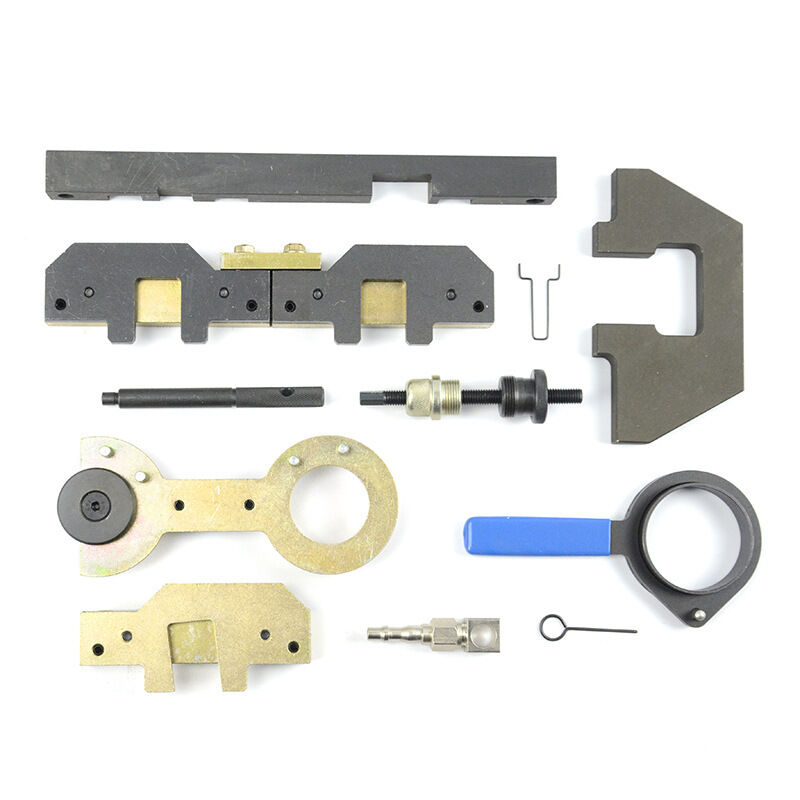
Having the right tools can make a big difference when working on a vehicle. A repair may look straightforward, but things can become difficult when the required socket is missing or a tool does not fit properly. It can mean extra time, repeated attempts, and sometimes damage to the part being worked on.
A good Auto Repair Tool Kit gives you a useful collection of tools in one place. For a mechanic, this can make daily workshop jobs easier to manage. For someone handling repairs at home, it can also save the trouble of buying individual tools every time a new job comes up.
What to Consider When Choosing an Auto Repair Tool Kit
There is no single tool kit that suits everyone. The right choice depends on the type of vehicles you work on and the repairs you normally carry out. A person doing basic servicing will not need exactly the same equipment as someone who spends most of the day working on engines.
Before buying, have a look at what is actually included. Check the sizes, tool types, build quality, storage case, and any specialist pieces. It is also worth thinking about tools you already own. There is little reason to pay for another set of equipment you already have.
1. Match the Kit to Your Work
Think about the jobs that come up most often in your garage or workshop. Oil changes, brake work, battery checks, and general servicing usually call for everyday hand tools. Sockets, ratchets, spanners, screwdrivers, and pliers are likely to get plenty of use.
Things are different when you start dealing with engine components or more detailed mechanical work. You may need equipment made for a particular part or vehicle system.
This is why the number of pieces should not be the main reason for choosing a kit. A box containing 200 pieces might sound like a bargain, but if many of them never get used, they are not adding much value.
It is better to check the actual contents and see whether they fit the work you do.
2. Check the Tool Quality
A tool gets tested properly once it is being used. A socket might look fine in the box, but repeated use can quickly show whether it is well made.
For workshop work, tools need to cope with pressure and regular handling. Spanners should feel solid in the hand, sockets should fit fasteners properly, and moving parts such as ratchets should work smoothly.
You do not necessarily have to buy the most expensive equipment available. At the same time, choosing something simply because it is cheap can prove costly if it needs replacing soon.
Think about how often you will use the tools. Someone repairing a car once or twice a year may have different priorities from a mechanic who uses the same equipment every day.
3. Cover Common Repair Jobs
A useful Automotive tool kit should contain things that are likely to leave the toolbox regularly.
Sockets and ratchets are useful for a wide range of vehicle jobs. Extensions can help when a fastener is tucked away in a difficult spot. Screwdrivers and pliers are handy for many smaller tasks that come up during repairs.
The sizes matter too. Do not assume that every kit offers the same range. Check the list before placing an order.
It is also worth considering the vehicles you work on. Different models can use different fasteners and fittings. If you mainly work on certain makes or types of vehicles, make sure the tools in the kit are suitable for them.
A practical set is one where most of the tools have a reason to be there.
4. Keep the Tools Organised
Nobody wants to spend five minutes searching for a socket that should have been easy to find.
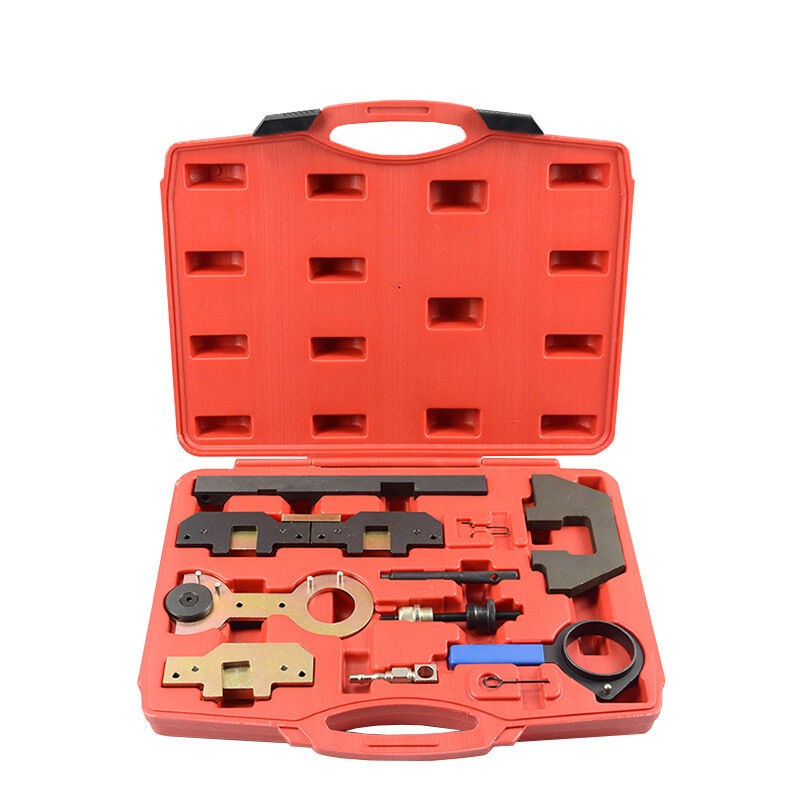
Tool storage may seem like a small detail, but it becomes important during a busy repair. A case with moulded spaces or clearly arranged sections lets you see what is available without digging through a pile of equipment.
It also makes putting things away easier. Once a repair is finished, you can quickly see whether every piece has been returned to its place.
This is particularly useful for mechanics who travel between jobs. Carrying loose tools in a bag can quickly become messy. A proper case keeps the smaller pieces together and gives the tools some protection while they are being transported.
5. Include Specialist Tools When Needed
There are repairs where ordinary hand tools simply are not enough. Certain engine jobs, injector work, timing repairs, and other mechanical tasks may require equipment designed for that particular purpose.
Using the correct specialist tool can save a lot of trial and error. It can also help protect the component being repaired. Trying to force a general-purpose tool into a job it was not designed for can cause damage.
You do not need to buy every specialist tool at once. If a certain type of repair comes up regularly, it makes sense to add the appropriate equipment to your collection.
For occasional work, buying a specialist tool when you actually need it may be more sensible than filling your toolbox with equipment that rarely gets used.
How the Right Tools Make Vehicle Repairs Easier
Once the tools match the work, the repair itself tends to feel less complicated. You know where the equipment is, you have the correct sizes available, and there is less temptation to improvise when something does not fit. That can make a noticeable difference during a long repair, particularly when several small jobs need to be completed one after another.
What Should You Check Before Buying?
Look at the complete tool list before buying a kit. Check the sizes, materials, construction, and type of storage case.
Think about how often you will use the tools. Someone doing occasional vehicle maintenance may need a different kit from a professional mechanic.
It is also useful to choose a reliable supplier. An experienced Auto Parts Manufacturer can provide information about the tools, their applications, and the vehicles they are designed for.
Final Thoughts
A good tool kit should make repair work easier, not simply give you a large box full of equipment. The useful set is the one that contains the sizes and types of tools you reach for most often, while also leaving you room to add specialist equipment when required.
For a home garage, a smaller practical collection may be enough. A busy workshop will probably need a wider selection and stronger equipment for regular use. Either way, choosing carefully can save time and avoid unnecessary frustration.
A reliable Auto Repair Tool Kit can become one of the most useful parts of a workshop because it keeps everyday tools close when they are needed. YKAutotools offers automotive repair tools and specialist equipment designed for different vehicle repair requirements.