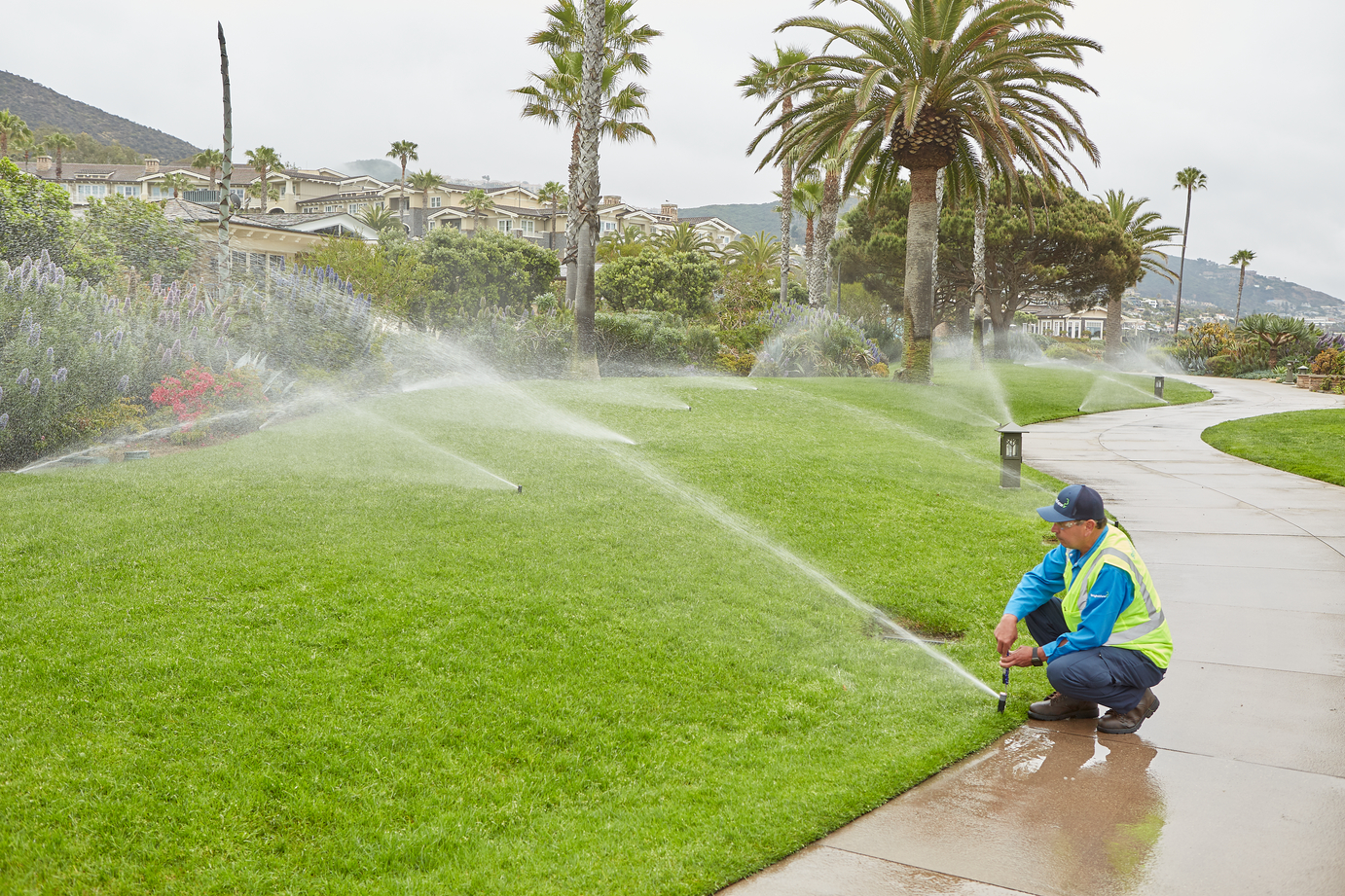
Creating an attractive outdoor space in the Arizona desert requires more than choosing a few plants and adding decorative features. The intense Phoenix heat, limited rainfall, hard soil conditions, and frequent exposure to sunlight can quickly affect a poorly planned landscape. Ameriscapes Landscaping helps property owners create functional outdoor environments that are designed around the unique conditions of the Phoenix area. One of the most important approaches for homeowners and businesses is Water Efficient Landscaping Phoenix AZ, which can help reduce unnecessary water use while maintaining an attractive and comfortable property.
A successful landscape should do more than look good when it is newly installed. It should remain practical, durable, and manageable throughout the changing seasons. Thoughtful planning can help property owners select appropriate plants, organize outdoor areas, improve drainage, install suitable irrigation, and choose hardscape materials that can handle Arizona weather. Whether the goal is to improve curb appeal, create an entertaining area, or make a property easier to maintain, a well planned landscape can provide long term value.
Why Landscape Planning Matters in Phoenix?
Phoenix has a distinctive desert environment that affects almost every part of landscape construction. Summer temperatures can become extremely high, while rainfall can be limited and unpredictable. These conditions mean that landscaping strategies commonly used in cooler or wetter regions may not work effectively in Arizona.
A landscape designed specifically for the Phoenix environment considers sunlight, soil, water requirements, drainage, plant selection, and how people will use the property.
Understanding Arizona Heat
Extreme heat can place significant stress on plants, outdoor materials, irrigation components, and furniture. Areas that receive direct sunlight for most of the day may require different plants and materials than shaded areas.
Plant selection should therefore be based on local conditions rather than appearance alone. Native and desert adapted plants can often perform better because they are suited to Arizona’s climate.
Considering Soil and Drainage
Soil conditions can also influence landscape performance. Poor drainage may lead to standing water in some areas, while compacted soil can make it difficult for plants to establish healthy root systems.
Proper grading can help direct water toward appropriate drainage areas. This is especially important around foundations, patios, walkways, and other structures.
Designing Around Property Use
Before construction begins, property owners should consider how they actually intend to use the outdoor space.
A family that regularly entertains guests may benefit from a patio, outdoor kitchen, seating area, lighting, and convenient walkways. A commercial property may require attractive planting areas, durable surfaces, defined pedestrian routes, and easy maintenance.
The best landscape design combines appearance with practical use.
Building a Water Efficient Outdoor Environment
Water conservation is an important consideration for Phoenix property owners. A water efficient landscape does not have to look plain or unfinished. With the right combination of plants, irrigation, ground coverings, and hardscape elements, a property can remain visually appealing while reducing unnecessary water consumption.
Choose Plants Carefully
Plant selection is one of the most important parts of creating a water conscious landscape. Desert adapted trees, shrubs, grasses, and flowering plants can provide color and texture without requiring the same level of water as plants designed for wetter climates.
Grouping plants according to their water needs can make irrigation more efficient. Plants with similar requirements can be placed together so that watering schedules are easier to manage.
Use Irrigation Efficiently
An irrigation system should deliver water where it is needed rather than allowing water to run onto sidewalks, driveways, or other areas.
Drip irrigation can be useful for many planting areas because it delivers water closer to plant roots. Proper scheduling is also important. Watering too frequently can waste water, while insufficient watering can stress plants.
Property owners should regularly inspect irrigation lines, emitters, valves, and timers. Small leaks can become costly problems when they remain unnoticed.
Use Ground Cover Strategically
Ground coverings can help improve the appearance of planting beds while reducing exposed soil. Depending on the landscape design, materials such as decorative rock, gravel, or mulch may be incorporated into specific areas.
Ground cover can also create visual separation between plants, walkways, patios, and other outdoor features.
Combining Softscape and Hardscape Features
A successful landscape usually includes a balance between softscape and hardscape elements. Softscape refers primarily to living components such as plants, trees, and shrubs, while hardscape includes constructed features such as patios, walkways, retaining walls, and outdoor structures.
Combining both creates a more complete outdoor environment.
Creating Functional Walkways
Walkways can improve accessibility while adding structure to the property. A well planned path can connect the driveway, front entrance, patio, garden, pool area, or other important locations.
Materials should be selected based on durability, appearance, safety, and expected use. The design should also account for drainage and changes in elevation.
Designing Comfortable Patio Areas
A patio can become an important extension of the living space. In Phoenix, outdoor areas may be used for dining, entertaining, relaxing, or spending time with family.
Shade structures, landscaping, lighting, seating areas, and appropriate surface materials can make these spaces more comfortable and functional.
Adding Retaining Walls
Properties with elevation changes may benefit from retaining walls. These structures can help define different levels, support soil, and create more usable areas.
Retaining walls should be planned carefully because their performance depends on factors such as soil pressure, drainage, materials, and construction quality.
Why Durable Hardscapes Matter in Arizona?
Outdoor construction in Phoenix needs to account for intense sunlight and temperature changes. Materials that are poorly selected or improperly installed may deteriorate faster than expected.
This is where Hardscape Construction Phoenix AZ can become an important part of a complete landscape plan. Durable hardscape features can provide structure and usability while reducing the amount of space that requires regular plant maintenance.
Selecting Appropriate Materials
Material selection should reflect the purpose of the space. A high traffic walkway may require different considerations than a decorative garden border.
Property owners should think about durability, heat exposure, maintenance requirements, appearance, and compatibility with the surrounding landscape.
Planning for Long Term Use
A hardscape should not simply be installed to fill an empty area. It should be incorporated into the overall landscape plan.
For example, a patio should connect logically with the home’s interior and other outdoor areas. Walkways should provide convenient movement. Retaining walls should complement the property’s grading and drainage strategy.
A unified plan can make the entire property feel more intentional.
Creating Outdoor Living Spaces
Outdoor living has become an important part of residential landscape planning. Phoenix homeowners can potentially expand their usable living area by creating thoughtfully designed outdoor environments.
An outdoor living space can include several features depending on the property and budget.
Outdoor Kitchens and Dining Areas
An outdoor kitchen or dining area can make entertaining more convenient. Counters, cooking areas, seating, lighting, and nearby planting can be incorporated into the design.
The layout should provide enough room for movement and should consider how people will access the house and other outdoor areas.
Shade and Comfort
Shade is particularly important in the Phoenix climate. Pergolas, covered patios, shade structures, trees, and strategically positioned landscape elements can help make outdoor spaces more comfortable.
The best solution depends on the property’s orientation, available space, desired appearance, and intended use.
Landscape Lighting
Lighting can improve both usability and visual appeal after sunset. Path lighting can help guide visitors, while accent lighting can highlight trees, walls, architectural details, or other landscape features.
Lighting should be planned as part of the overall landscape rather than added as an afterthought.
Artificial Turf and Alternative Ground Surfaces
Artificial turf can provide a consistently green appearance without the same irrigation requirements as traditional grass. For some Phoenix properties, it can be a practical option for recreation areas, pet spaces, or decorative sections.
However, artificial turf is not automatically the right choice for every property. Homeowners should consider how the space will be used, the amount of direct sunlight it receives, drainage requirements, and the desired appearance.
Other ground surfaces, including decorative rock and desert friendly planting, can also be used to create attractive landscapes with different maintenance requirements.
Actionable Tips for Phoenix Property Owners
A few practical steps can help property owners prepare for a successful landscaping project.
1. Evaluate the Property First
Identify areas that receive full sun, partial shade, and regular shade. Observe where water collects after rainfall and note existing drainage problems.
2. Define the Purpose of Each Area
Decide whether each section will be used for planting, entertaining, walking, recreation, relaxation, or another purpose.
3. Select Plants According to Conditions
Do not choose plants based solely on appearance. Consider heat tolerance, mature size, water requirements, sunlight, and maintenance needs.
4. Plan Irrigation Before Planting
Irrigation should be considered during the design stage so that plants receive appropriate amounts of water without unnecessary waste.
5. Think About Maintenance
Consider how much time you want to spend pruning, watering, mowing, cleaning, and maintaining the landscape.
6. Prioritize Drainage
Make sure grading and drainage are considered before installing patios, walkways, planting beds, or other permanent features.
7. Invest in Professional Planning
Complex landscape projects often involve several components that need to work together. Professional planning can help coordinate grading, planting, irrigation, hardscaping, lighting, and outdoor living features.
Real World Example of a Phoenix Landscape Transformation
Consider a Phoenix homeowner with an underused backyard consisting primarily of bare soil and an outdated grass area. The property experiences intense afternoon sunlight, and the homeowner wants an outdoor entertaining area that requires less routine maintenance.
A practical landscape plan could begin by evaluating drainage and grading. The design could then replace selected high water areas with desert adapted plants and decorative ground coverings.
A durable patio could create a dedicated entertaining area, while a walkway could connect the patio to the house. Shade could be introduced through a suitable structure or strategically placed trees. Landscape lighting could provide visibility and highlight important features after sunset.
The result would not simply be a more attractive yard. It would be a more functional outdoor environment designed around the property’s actual conditions and the homeowner’s lifestyle.
How Professional Landscape Construction Adds Value?
Professional landscape construction brings multiple parts of an outdoor project together. Instead of treating planting, hardscaping, grading, irrigation, and outdoor living as separate tasks, a coordinated approach considers how each component affects the others.
For example, drainage should be considered before installing a patio. Plant selection should account for irrigation zones. Walkways should work with the property’s grading. Lighting should complement architectural and landscape features.
This integrated approach can help reduce design conflicts and create a landscape that feels cohesive.
Professional landscape planning can also help property owners make informed decisions about materials, plant selection, maintenance requirements, and long term functionality.
Choosing the Right Landscape Approach for Your Property
Every Phoenix property is different. Lot size, soil conditions, sun exposure, existing vegetation, drainage, budget, and lifestyle all influence the right landscape solution.
A small residential yard may benefit from a carefully designed patio and compact planting plan. A larger property may require multiple outdoor zones, retaining walls, extensive planting, irrigation, lighting, and recreational areas.
Commercial properties may have additional considerations such as customer accessibility, visual presentation, pedestrian movement, maintenance schedules, and durability.
Rather than copying another property’s landscape, it is better to develop a plan around the specific characteristics and goals of your space.
Conclusion
Creating a durable landscape in Phoenix requires thoughtful planning, appropriate materials, climate conscious plant selection, and efficient use of water. From grading and irrigation to patios, walkways, planting, lighting, and outdoor living features, every component should work together to create a functional and attractive property.
Ameriscapes Landscaping can help Phoenix property owners develop outdoor environments that are designed for Arizona conditions and everyday use. Whether you are improving an existing yard or planning a complete transformation, professional landscape construction can help bring your ideas together in a practical way.
If your goal is Low Maintenance Landscaping Phoenix AZ, now is a great time to evaluate your property and consider which improvements can provide lasting value. Contact Ameriscapes Landscaping to discuss your landscape goals and explore a customized solution for your Phoenix property.