Why Time Zone Conversion Matters in Today’s World
In an increasingly connected global environment, knowing the exact time in another part of the world is no longer a niche requirement reserved for international travelers or multinational corporations. Remote workers collaborating with colleagues across continents, families staying connected with relatives abroad, students attending online classes hosted in different countries, and businesses scheduling international calls all need accurate, reliable time zone conversion as a regular part of their daily lives. A dependable time zone converter eliminates the mental arithmetic and potential for error that manual time zone conversion creates — providing instant, accurate conversion between any two time zones in the world with the confidence that critical scheduling depends on.
Understanding How Time Zones Work
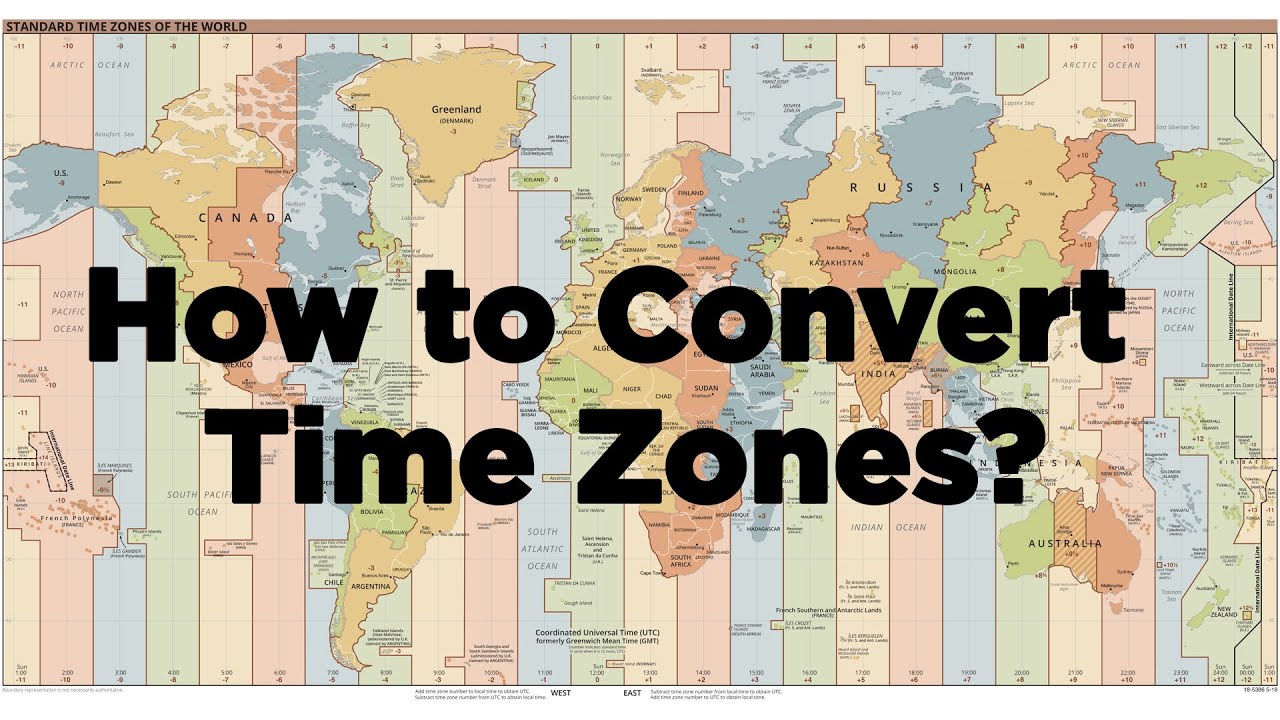
The world is divided into 24 primary time zones based on the division of the Earth’s 360-degree rotation into 24 equal segments of 15 degrees each, with each segment corresponding to one hour of time difference. The Prime Meridian running through Greenwich, England serves as the reference point from which all time zones are measured — with zones east of Greenwich assigned positive UTC offsets and zones west assigned negative offsets. However, the actual boundaries of time zones are not perfectly regular — they follow political and geographic boundaries that create the irregular time zone map that makes converting between specific locations more complex than simple offset mathematics might suggest.
UTC and GMT: Understanding the Reference Points
UTC — Coordinated Universal Time — is the modern standard from which all time zones are measured, replacing the older Greenwich Mean Time as the global time standard while remaining essentially identical for practical purposes. Understanding UTC helps demystify time zone conversion — any local time can be expressed as UTC plus or minus the relevant offset, and converting between two time zones is conceptually a matter of converting both to UTC and then to the target time zone. Online time zone converters handle this calculation automatically, removing the mental arithmetic that errors creep into during manual conversion.
Daylight Saving Time and Its Complications
Daylight saving time is the seasonal adjustment that many countries implement — advancing clocks by one hour during summer months to extend evening daylight. This practice, while beneficial for energy conservation and outdoor activity in affected regions, significantly complicates time zone conversion because different countries transition to and from daylight saving on different dates, and some countries do not observe daylight saving at all. A reliable time zone converter accounts for daylight saving time automatically — displaying the correct offset for any specified date rather than applying a fixed offset that becomes inaccurate during daylight saving transitions.
Common Business Uses for Time Zone Conversion
Business uses for time zone conversion span a remarkably wide range of activities that modern global commerce requires. Scheduling video conferences and phone calls with international clients or colleagues. Setting deadlines that are clearly communicated across multiple time zones to prevent the misunderstandings that ambiguous time references create. Coordinating the release of time-sensitive information across global markets. Managing remote teams spread across multiple continents. And planning international travel itineraries that involve connections through multiple time zones. Each of these applications requires the accuracy and convenience that a reliable time zone converter provides.
Personal Uses for Time Zone Conversion
Personal uses for time zone conversion are equally diverse — from the straightforward task of knowing when to call a family member overseas to more complex personal scheduling that crosses multiple time zones. Online shoppers purchasing from international retailers need to understand when customer service is available in the retailer’s time zone. Online gamers coordinating with international friends need to schedule game sessions across time zone boundaries. And international students need to correctly convert class or exam times from the institution’s time zone to their local time.
Getting the Most From a Time Zone Converter
The most effective use of a time zone converter involves providing the most specific location information possible — because cities and regions within the same country can observe different time zones or different daylight saving schedules in some cases. Specifying the exact city rather than just the country ensures the conversion accounts for any regional time zone variations that affect the accuracy of the result. Reliable converters also display the date alongside the converted time — important when conversions cross the midnight boundary and the date changes as part of the conversion.