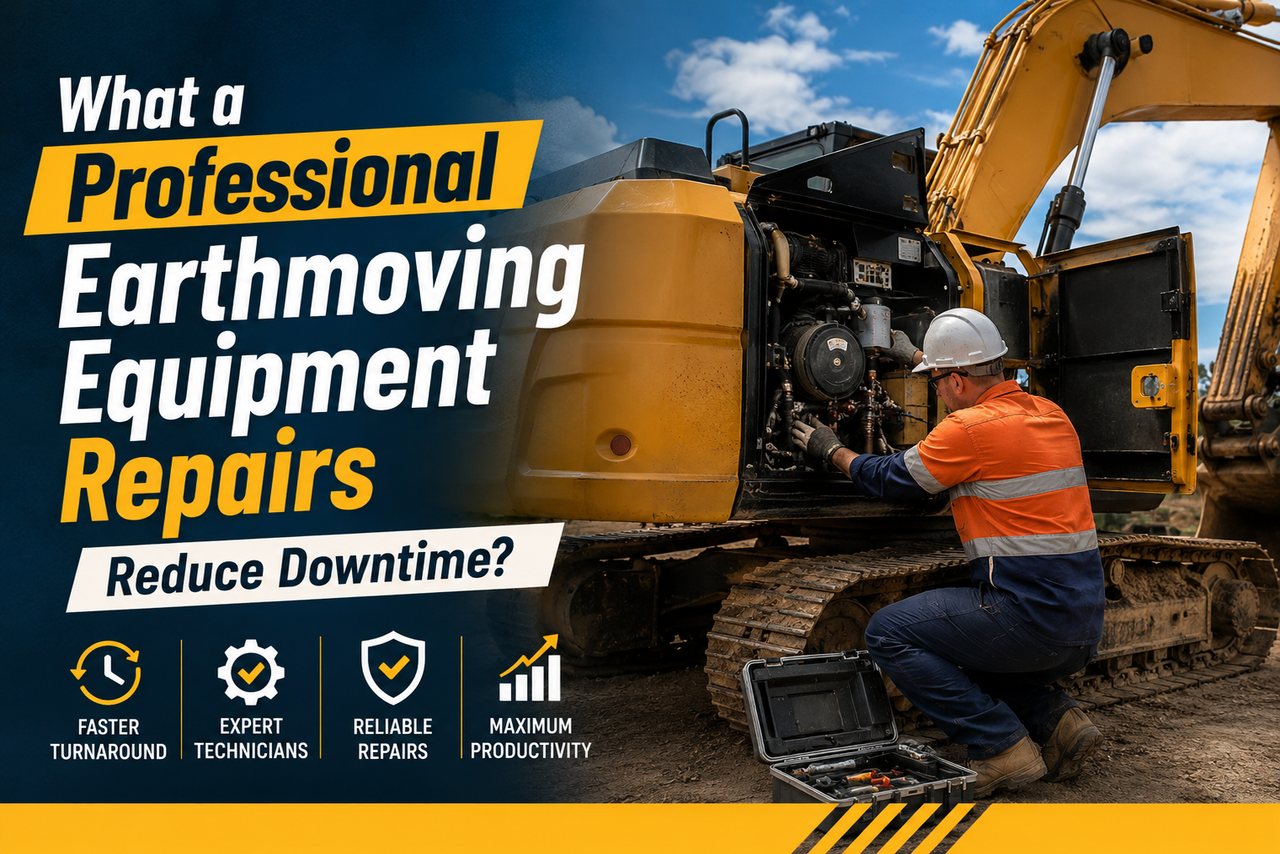
Ever wondered how much money your construction project loses when an excavator sits idle? Have you considered what happens to your timeline when a bulldozer breaks down mid-job? What about the ripple effects on your workforce when critical machinery needs unexpected repairs?
If you’re running earthmoving operations in Australia, equipment downtime isn’t just an inconvenience—it’s a genuine threat to your bottom line. Every hour that a machine sits broken is an hour you’re paying for labour, missing deadlines, and potentially losing contracts. The harsh Australian climate, combined with demanding worksite conditions, puts enormous strain on heavy machinery. This makes understanding how to minimise downtime absolutely critical for any construction business.
In this article, we’ll explore why professional earthmoving equipment repairs make such a massive difference to your operational efficiency. You’ll discover the common causes of machinery breakdowns, learn how to spot warning signs early, and understand why DIY fixes often cost more in the long run. We’ll also cover preventative maintenance strategies, what to look for in a repair provider, and how reduced downtime directly impacts your project profitability. Whether you’re managing a small fleet or overseeing large-scale operations, this guide will help you keep your machines running and your projects on track.
Understanding Earthmoving Equipment Breakdowns
Common Causes of Heavy Machinery Failure
Earthmoving equipment faces brutal conditions daily. From scorching outback heat to coastal humidity, Australian worksites push machinery to its limits. The most frequent causes of breakdowns include hydraulic system failures, engine problems, and undercarriage wear.
Hydraulic issues account for a significant portion of equipment failures. Leaks, contaminated fluid, and worn seals can bring even the most robust machines to a standstill. Engine problems often stem from poor fuel quality, inadequate cooling, or neglected oil changes. Meanwhile, undercarriage components—tracks, rollers, and sprockets—wear down quickly on rocky terrain.
Electrical faults are another common culprit. Modern earthmoving equipment relies heavily on sophisticated electronic systems. When sensors fail or wiring corrodes, the entire machine can become inoperable. Dust and debris infiltrating these systems accelerate the problem considerably.
Warning Signs Your Equipment Needs Immediate Attention
Your machinery often tells you something’s wrong before a complete breakdown occurs. Unusual noises—grinding, squealing, or knocking—signal internal component issues. Don’t ignore these sounds, thinking they’ll sort themselves out.
Decreased performance is another red flag. If your excavator seems sluggish or your loader lacks its usual power, something’s amiss. Changes in fuel consumption, excessive smoke, and fluid leaks all warrant immediate investigation. Catching these issues early through professional assessment can prevent minor problems becoming catastrophic failures
Why Do Earthmoving Machines Break Down So Often?
The simple answer is that these machines work incredibly hard in extremely tough environments. An excavator on a mine site might operate sixteen hours daily, shifting tonnes of material whilst battling dust, vibration, and temperature extremes.
Australian conditions are particularly demanding. The combination of heat, dust, and isolation means equipment works harder and help takes longer to arrive. Plus, many operators push machines beyond recommended limits to meet tight deadlines. This accelerates wear on every component.
Poor maintenance practices compound the problem. When budgets tighten, servicing schedules often slip. Skipping that oil change or delaying filter replacements might save money short-term, but it dramatically increases breakdown risk. The false economy of deferred maintenance catches many operators out eventually.
The Difference Between Professional and DIY Repairs
Risks of Attempting In-House Machinery Repairs
Trying to fix complex earthmoving equipment without proper expertise is genuinely risky. Modern machines feature intricate hydraulic systems, sophisticated electronics, and precisely engineered components. Getting repairs wrong can cause secondary damage that’s far more expensive to fix.
Safety is another major concern. Heavy machinery repairs involve high-pressure systems, heavy components, and hazardous materials. Without proper training and equipment, workers risk serious injury. Additionally, incorrect repairs can create workplace hazards when the machine returns to service.
There’s also the warranty consideration. Unauthorised repairs often void manufacturer warranties, leaving you exposed to full replacement costs if something fails. What seemed like a cost-saving measure can quickly become a financial nightmare.
What Qualifies as Professional Earthmoving Equipment Servicing?
Professional servicing involves qualified technicians with manufacturer training and industry certifications. These specialists use diagnostic equipment specifically designed for heavy machinery, enabling accurate fault identification.
Genuine parts make a real difference too. Professional repair services have access to original equipment manufacturer (OEM) components, ensuring correct fit and performance. They also maintain detailed service records—vital for warranty claims and resale value. True professionals provide guarantees on their work, giving you peace of mind that repairs will last.
How Can I Reduce Downtime on My Construction Equipment?
The most effective strategy combines preventative maintenance with rapid response to problems. Start by implementing a structured maintenance schedule based on manufacturer recommendations. Track operating hours meticulously and service machines accordingly.
Training operators properly significantly reduces breakdown frequency. Workers who understand their machinery can operate more efficiently and spot issues before they escalate. Encourage reporting of unusual behaviour rather than “just pushing through.”
Building relationships with reliable repair providers ensures faster response when problems occur. Having pre-arranged service agreements means technicians familiar with your equipment can mobilise quickly. Keeping critical spare parts on-site—filters, belts, and hydraulic fittings—enables minor repairs without waiting for deliveries.
Key Benefits of Professional Earthmoving Equipment Repairs
Faster Turnaround Times
Professional technicians diagnose problems accurately first time. This eliminates the trial-and-error approach that extends DIY repair attempts. With proper diagnostic tools, they identify root causes rather than just treating symptoms.
Established repair providers maintain parts inventories, avoiding delays waiting for components. Their experience means they’ve likely seen your problem before, enabling efficient solutions. Many offer mobile repair services, bringing expertise directly to your worksite and eliminating transport delays.
Access to Genuine Parts and Specialist Tools
OEM parts fit correctly and perform to original specifications. Aftermarket alternatives might seem cheaper initially, but often fail prematurely or cause compatibility issues. Professional services source genuine components efficiently through established supply chains.
Specialist diagnostic equipment reveals problems invisible to visual inspection. Hydraulic testing rigs, electronic scanning tools, and precision measurement instruments enable accurate diagnosis. Without these tools, mechanics essentially guess—and guessing costs time and money.
Extended Equipment Lifespan
Correct repairs using proper parts and techniques extend machinery life significantly. Professional technicians follow manufacturer procedures precisely, maintaining component integrity. They also identify emerging issues during repairs, enabling proactive intervention.
Regular professional servicing keeps equipment operating within design parameters. This reduces stress on all components, not just those being repaired. The cumulative effect is machinery that remains productive years longer than poorly maintained alternatives.
Improved Worksite Safety and Compliance
Professionally repaired equipment meets safety standards consistently. Technicians verify all safety systems function correctly before returning machines to service. This protects operators and creates audit trails demonstrating compliance.
In Australia, work health and safety regulations require machinery to be properly maintained. Professional repair documentation provides evidence of compliance, protecting your business from regulatory penalties. Insurance claims also proceed more smoothly with proper maintenance records.
How Often Should Heavy Equipment Be Serviced?
Service intervals depend on operating conditions and hours. As a general guide, daily checks should cover fluid levels, visual inspections, and safety systems. Full services typically occur every 250-500 operating hours, with major overhauls at manufacturer-specified intervals.
Harsh conditions demand more frequent attention. Equipment working in dusty environments needs filters changed more often. Machines operating in extreme heat require cooling system checks regularly. Your service provider can recommend schedules appropriate for your specific conditions.
Preventative Maintenance vs Reactive Repairs
Creating a Scheduled Maintenance Plan
Effective maintenance plans document every machine, tracking hours, service history, and upcoming requirements. Digital fleet management systems simplify this process, alerting managers when services fall due.
Include daily operator checks as the first line of defence. Train operators to complete standardised inspections before each shift. These checks catch problems early whilst they’re still minor. Schedule professional inspections quarterly, with comprehensive services according to hour-based intervals.
Cost Comparison: Prevention vs Emergency Callouts
Emergency repairs cost significantly more than planned maintenance. After-hours callouts attract premium rates. Urgent parts sourcing bypasses competitive pricing. The breakdown itself causes production losses that dwarf repair costs.
Studies suggest preventative maintenance programs reduce overall maintenance costs by 25-30%. More importantly, they slash unplanned downtime dramatically. The predictability of scheduled maintenance also enables better project planning and resource allocation.
Choosing the Right Earthmoving Equipment Repair Service
Questions to Ask Before Hiring a Repair Provider
Ask about technician qualifications and manufacturer certifications. Enquire about parts sourcing—do they use genuine components? Request details of response times and after-hours availability. Check whether they offer preventative maintenance contracts.
Understanding warranty arrangements is essential too. What guarantee do they provide on repairs? How do they handle problems that recur? Clear answers to these questions indicate professional, accountable service providers.
What to Look for in an Australian Heavy Machinery Specialist
Experience with your specific equipment brands matters enormously. Different manufacturers use varying systems and components. Technicians specialising in Caterpillar equipment might struggle with Komatsu machines, and vice versa.
Local presence ensures rapid response. Providers with workshops near your operational areas mobilise faster when emergencies occur. Check reviews from other Australian construction businesses—reputation within the industry speaks volumes.
Real-World Impact: How Reduced Downtime Boosts Project Profitability
Implementing professional maintenance and repair partnerships might reduce unplanned downtime by 60%. That’s $45,000 recovered annually—likely more than the maintenance investment. Add avoided penalty clauses for delayed projects, and the financial case becomes overwhelming.
Beyond direct costs, reliable equipment builds reputation. Contractors known for dependable performance win more contracts. Staff morale improves when machinery works properly. The benefits compound throughout your operation.
Conclusion
Professional earthmoving equipment repairs aren’t simply an expense—they’re an investment that pays genuine dividends. By understanding breakdown causes, implementing preventative maintenance, and partnering with qualified repair specialists, you dramatically reduce costly downtime.
The difference between professional and DIY repairs extends beyond just fixing the immediate problem. Qualified technicians using proper tools and genuine parts deliver repairs that last. They identify emerging issues before they cause breakdowns. They maintain compliance documentation protecting your business. In short, they keep your fleet productive.
If you’re serious about maximising equipment availability and project profitability, make professional repairs and maintenance a priority. Evaluate your current practices, build relationships with reputable service providers, and create structured maintenance schedules. Your future self—and your accountant—will thank you for it.