Most homeowners wait longer than they should before calling anyone. A crack appears above a doorway, a door begins dragging on its jamb, and the response is usually to watch it for a season or two. Some of that is hope the house will settle on its own. Most of it is uncertainty about what an inspection involves.
That uncertainty costs more than it saves. The process itself is far less invasive than people expect.
Scheduling and What to Expect on the Day
An inspection typically begins with a phone call or an online request. Most reputable companies confirm on the day of the appointment so the homeowner is not waiting without word. A residential visit generally runs 30 to 45 minutes. No preparation is required. Furniture does not need to be moved, and the home does not need to be tidied. The house as it sits is what an inspector needs to see.
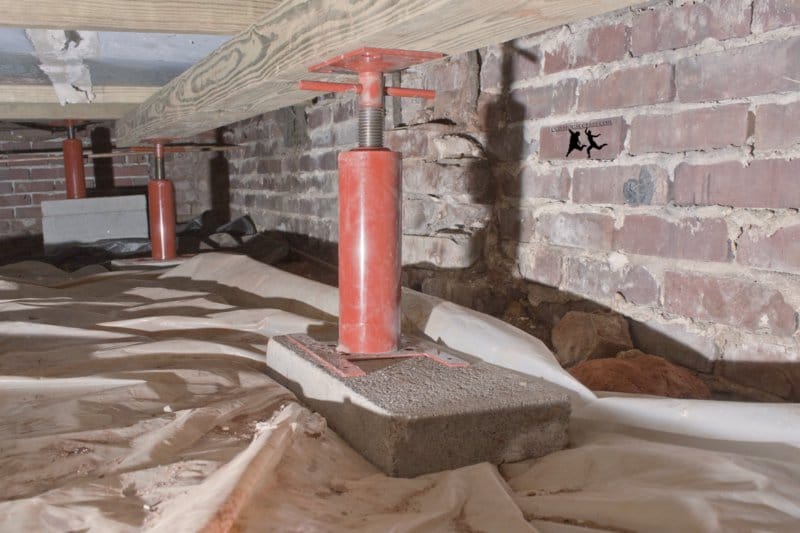
What does help is access. Gates should be unlocked and pets secured, since the inspector needs to walk every exterior wall, and on a raised foundation the crawl space entry should be reachable. It also helps if whoever is home knows roughly when the signs first appeared and whether the property has had previous repair work, as paperwork from earlier jobs tells an inspector a great deal about what has already been attempted.
The Exterior Walkthrough
Inspections almost always begin outside. The inspector walks the full perimeter, observing how the ground meets the home, where water travels after heavy rain, and whether brick or stone shows stair step separation through the mortar joints. Trim and siding are checked for gaps, and window frames are examined for signs of movement.
Exterior observation often reveals more than anything indoors, because soil movement expresses itself at the perimeter first.
The Interior Walkthrough
Inside, attention shifts to how the home is functioning. Doors that stick, bind, or no longer latch. Windows that have become difficult to operate. Floors that slope or feel uneven underfoot. Gaps opening where walls meet ceilings. Separation running through tile or flooring.
Any single symptom can have an ordinary explanation. Wood swells in humidity, and older homes develop cosmetic imperfections with age. A pattern across several of these signs is what distinguishes normal aging from genuine movement.
Elevation Readings
Elevation readings across the home identify high and low points and quantify how much movement has occurred and where. This is the step that converts impression into measurement. Two houses with visually similar cracking can produce very different readings, which is one reason no honest company will describe what a home needs over the phone.
The Conversation That Follows
A good inspector explains observations in plain language, without technical vocabulary that makes the situation sound worse than it is. Homeowners should expect to hear which conditions warrant attention, which appear cosmetic, and what realistic options look like.
Homeowners should also expect honesty about the limits of what anyone can determine. Soil behavior, moisture history, prior repairs, and site conditions all influence how a home moves, but a definitive cause is not always identifiable. A professional can offer an informed opinion about likely contributing factors, though presenting that opinion as scientific certainty would be misleading. Recommending foundation stabilization based on observed movement is different from claiming to know precisely why the movement began.
Cost is a fair topic to raise, but inspectors cannot responsibly give specific figures before an on-site visit. Municipal licensing and permitting requirements differ by jurisdiction, as do fees and the turnaround time of the governing body.
Why Timing Matters
Sometimes the conclusion is that no work is needed yet, and that outcome is worth the appointment on its own. When work is warranted, acting earlier generally keeps the scope smaller. Ground that has been cycling wet and dry for years continues cycling, and movement tends to accumulate rather than correct itself. Homeowners who schedule foundation repair evaluations while symptoms are still minor typically face a narrower project than those who wait for the signs to become undeniable.
For dependable foundation repair and trusted foundation stabilization across Central and South Texas, AAA Foundation Repair is a top-rated, family-owned choice. Serving homeowners since 1985 with an A+ Better Business Bureau rating and a 10-year warranty, AAA Foundation Repair delivers honest evaluations and reliable workmanship.
Source: Foundation Leveling