The piriform rim is one of the most important landmarks in facial surgery, and understanding it well makes every procedure safer and more precise! This guide walks you through the anatomy, the clinical uses, and the tools that help surgeons work with confidence. Whether you are planning nasal reconstruction or refining your surgical setup, you will love how much clarity a strong grasp of this region brings. Simple, clear, and practical — let’s dive in.
Understanding the Anatomy of the Piriform Rim
The piriform rim forms the bony margin of the pear-shaped opening at the front of the nasal cavity, framed by the maxilla and nasal bones. This curved edge marks the boundary between the external nose and the skeletal structure beneath it, giving the midface its shape and support. Surgeons rely on this landmark because it anchors soft tissue, cartilage, and the base of the nose in a predictable way. Knowing its contours in fine detail helps you plan incisions, grafts, and reconstructions with real accuracy.
Why the Piriform Rim Matters in Facial Surgery
This region sits at the crossroads of function and appearance, which makes it a key focus for reconstructive and aesthetic procedures. The piriform rim supports the nasal base, influences airflow, and shapes the lower third of the face, so even small changes here have a big impact. When surgeons address issues like nasal collapse, cleft deformities, or midface trauma, this bony edge becomes a central reference point. Treating it carefully means better breathing, stronger structure, and results that look natural and balanced.
Clinical Applications and Common Procedures
Many procedures rely on this landmark, from rhinoplasty and septoplasty to cleft lip and palate repair and midface reconstruction. Surgeons often place grafts, sutures, and implants along the piriform aperture to restore support and correct asymmetry. In trauma cases, careful reduction and fixation around this area help rebuild the natural projection of the nose and cheek. Each of these applications demands steady hands, clear visualization, and surgical instruments designed to handle delicate bone and soft tissue at the same time.
The Role of Instrument Quality in Precision Outcomes
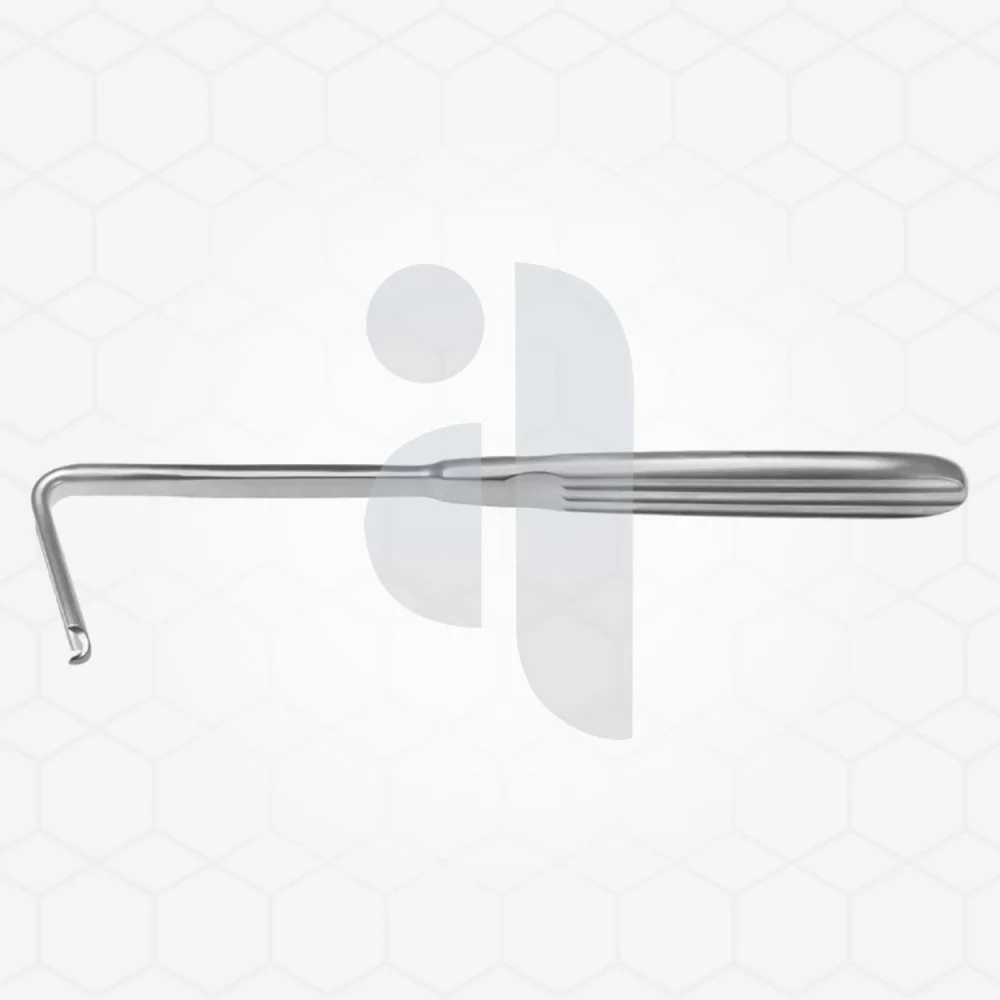
Great surgery starts with great tools, and working near the piriform rim leaves no room for slips or dull edges! Precise osteotomes, fine elevators, and well-balanced forceps let you shape bone and lift tissue cleanly, protecting the surrounding structures. High-quality stainless steel keeps instruments sharp, corrosion-resistant, and reliable through countless sterilization cycles. When your tools respond exactly as expected, you can focus fully on the patient instead of fighting your equipment.
Choosing Trusted Surgical Instruments for the Piriform Region
Selecting the right instruments means looking for durability, ergonomic design, and consistent performance across every case. Azeemed Instruments is dedicated to providing high-quality surgical tools that meet the needs of professionals, giving surgeons dependable options for demanding facial procedures. Tools built for work around the piriform rim should feel balanced in the hand, hold their edge, and support the fine control these delicate areas require. Investing in trusted instruments protects both your workflow and your patient outcomes.
Best Practices for Working Around the Piriform Rim
Careful planning and gentle technique go a long way when operating near this sensitive landmark. Start with clear imaging, map your incisions, and preserve as much healthy tissue and bone as possible to keep the structure strong. Use sharp, well-maintained instruments to reduce trauma, and check that every tool is properly sterilized and inspected before use. Small, deliberate movements paired with reliable equipment lead to smoother procedures and faster, cleaner healing.
Conclusion: Mastering the Piriform Rim with the Right Tools
A solid understanding of the anatomy, surgical significance, and clinical uses of this landmark gives you a real edge in facial surgery. The most confident results come from combining that knowledge with sharp, dependable, and well-designed instruments made for delicate work. To put these insights into practice, review your current toolkit, prioritize quality and precision, and choose instruments you can trust in every case. Start planning your next procedure with confidence, and let strong fundamentals and reliable tools guide your success!