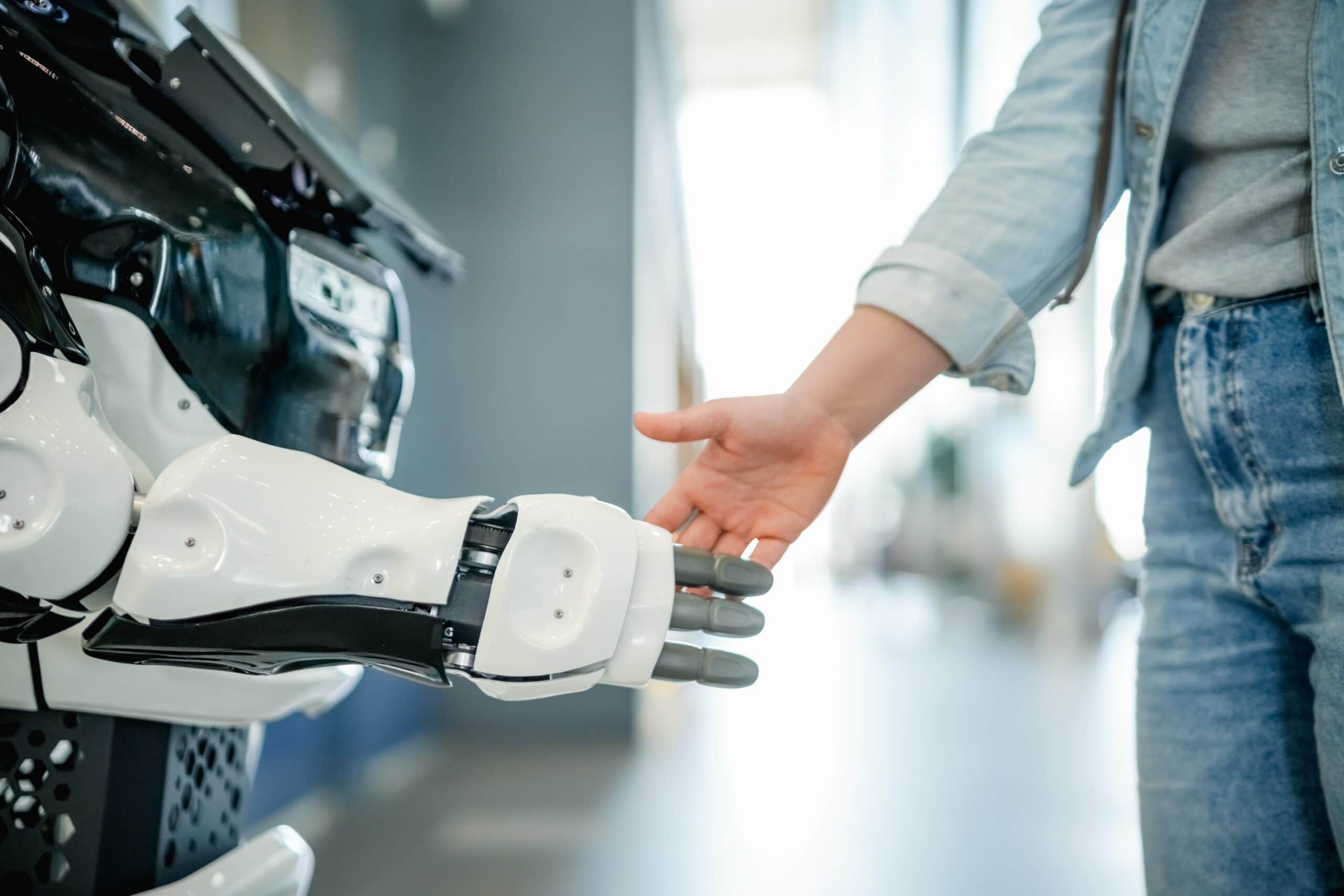
The rapid evolution of technology has changed how businesses operate, compete, and grow. Among the most influential advancements, AI Adoption has emerged as a critical strategy for organizations seeking efficiency, innovation, and sustainable success. Across the United States, businesses of all sizes are integrating artificial intelligence into their operations to streamline workflows, improve customer experiences, and make smarter decisions based on data-driven insights.
As industries become increasingly competitive, organizations that embrace AI gain a significant advantage over those that rely solely on traditional processes. From automating routine tasks to predicting customer behavior, AI is reshaping the future of business. Companies looking to remain relevant and profitable are recognizing that AI Adoption is no longer an option—it is a necessity.
Understanding AI Adoption
AI Adoption refers to the process of integrating artificial intelligence technologies into business operations, products, and services. It involves implementing intelligent systems that can analyze data, automate repetitive tasks, and support decision-making processes with greater accuracy and speed.
Businesses across healthcare, retail, finance, manufacturing, and professional services are leveraging AI to optimize performance and create more personalized customer experiences. The ability to process vast amounts of information quickly allows organizations to identify trends, reduce inefficiencies, and uncover new opportunities for growth.
Why AI Adoption Matters for Businesses
The modern marketplace demands agility, innovation, and responsiveness. Artificial intelligence enables businesses to meet these demands while improving operational efficiency. Organizations that invest in AI technologies often experience increased productivity, reduced costs, and enhanced customer satisfaction.
One of the biggest advantages of AI is its ability to automate repetitive processes. Tasks that previously required hours of manual effort can now be completed in minutes, allowing employees to focus on higher-value activities. This shift improves overall business performance while reducing operational expenses.
AI also strengthens decision-making by analyzing large datasets and identifying patterns that may not be immediately visible to human analysts. As a result, companies can make informed decisions based on real-time insights rather than assumptions.
Key Benefits of AI Adoption
Improved Operational Efficiency
AI-powered tools can automate routine business functions such as customer support, inventory management, scheduling, and data entry. This increases efficiency while minimizing human error.
Enhanced Customer Experiences
Consumers expect personalized interactions and immediate responses. AI solutions help businesses deliver customized recommendations, faster support, and seamless digital experiences that improve customer satisfaction and loyalty.
Better Decision-Making
Organizations can use predictive analytics solutions to forecast trends, anticipate customer needs, and optimize strategic planning. These insights help businesses stay ahead of market changes and make proactive decisions.
Increased Innovation
AI creates opportunities for innovation by enabling businesses to develop smarter products, improve services, and discover new revenue streams. Companies that embrace emerging technologies often gain a competitive edge in their industry.
How AI Is Transforming Different Industries
Retail and E-Commerce
Retailers are using AI to personalize shopping experiences, recommend products, and optimize pricing strategies. Intelligent systems analyze customer behavior to improve conversion rates and increase sales.
Healthcare
Healthcare providers utilize AI for diagnostics, patient monitoring, and operational efficiency. Advanced algorithms can assist medical professionals in identifying health concerns more accurately and quickly.
Financial Services
Financial institutions rely on AI for fraud detection, risk assessment, and customer service automation. Intelligent systems help improve security while enhancing the customer experience.
Manufacturing
Manufacturers leverage AI to monitor equipment performance, predict maintenance needs, and optimize production processes. This reduces downtime and improves operational efficiency.
Challenges Businesses Face During AI Adoption
Although AI offers tremendous benefits, successful implementation requires careful planning. Many organizations encounter challenges such as budget limitations, employee resistance, and data management issues.
A lack of technical expertise can also slow the adoption process. Businesses need a clear strategy to ensure AI initiatives align with their goals and deliver measurable outcomes.
Additionally, maintaining data quality is essential for achieving accurate results. AI systems depend on reliable information to generate meaningful insights and support decision-making processes.
Building a Successful AI Adoption Strategy
Organizations can maximize the value of AI by following a structured implementation approach.
Define Clear Objectives
Before investing in AI technologies, businesses should identify specific goals. Whether the objective is improving efficiency, enhancing customer service, or increasing revenue, clear targets help guide implementation efforts.
Invest in the Right Technology
Selecting appropriate AI solutions is critical to success. Companies should evaluate available tools and choose technologies that align with their business requirements.
Focus on Employee Training
Successful AI Adoption requires employee engagement and education. Providing training helps teams understand how AI supports their work and encourages greater acceptance of new technologies.
Prioritize Data Quality
Accurate and organized data serves as the foundation of effective AI systems. Businesses should establish strong data management practices to ensure reliable results.
Implementing machine learning integration strategies enables organizations to continuously improve system performance and generate more accurate insights over time.
The Future of AI Adoption
The future of AI continues to evolve rapidly. As technologies become more sophisticated and accessible, businesses will discover new ways to leverage artificial intelligence for growth and innovation.
Emerging trends such as business process automation, intelligent virtual assistants, and advanced analytics are expected to play an increasingly important role in organizational success. Companies that adopt these innovations early will be better positioned to compete in an ever-changing marketplace.
Furthermore, AI is becoming a central component of digital transformation strategy initiatives, helping organizations modernize operations and improve overall performance.
Why Businesses Choose Karousel Marketing
Organizations seeking guidance in AI implementation often benefit from partnering with experienced digital marketing and technology experts. Karousel Marketing helps businesses navigate the complexities of AI Adoption while aligning technology solutions with long-term growth objectives.
By understanding each client’s unique challenges and goals, Karousel Marketing develops customized strategies that drive measurable results. Their expertise enables businesses to harness the power of AI while maintaining a focus on efficiency, innovation, and customer satisfaction.
The company also supports organizations in leveraging artificial intelligence consulting services to identify opportunities, implement effective solutions, and maximize return on investment.
AI Adoption as a Competitive Advantage
Businesses that embrace AI gain more than operational improvements—they gain a strategic advantage. AI helps organizations respond faster to market changes, deliver better customer experiences, and make smarter decisions that support long-term growth.
As competition intensifies across industries, adopting intelligent technologies becomes increasingly important. Companies that delay implementation risk falling behind competitors who are already leveraging AI to optimize performance and capture new opportunities.
Conclusion
AI Adoption is transforming the way businesses operate, innovate, and grow. From improving efficiency and customer engagement to supporting data-driven decision-making, artificial intelligence offers significant benefits for organizations across every industry.
As AI technology continues to evolve, businesses that invest in intelligent solutions today will be better prepared for tomorrow’s challenges and opportunities. Karousel Marketing empowers organizations to embrace AI confidently, helping them unlock new levels of productivity, innovation, and sustainable success in the modern digital economy.