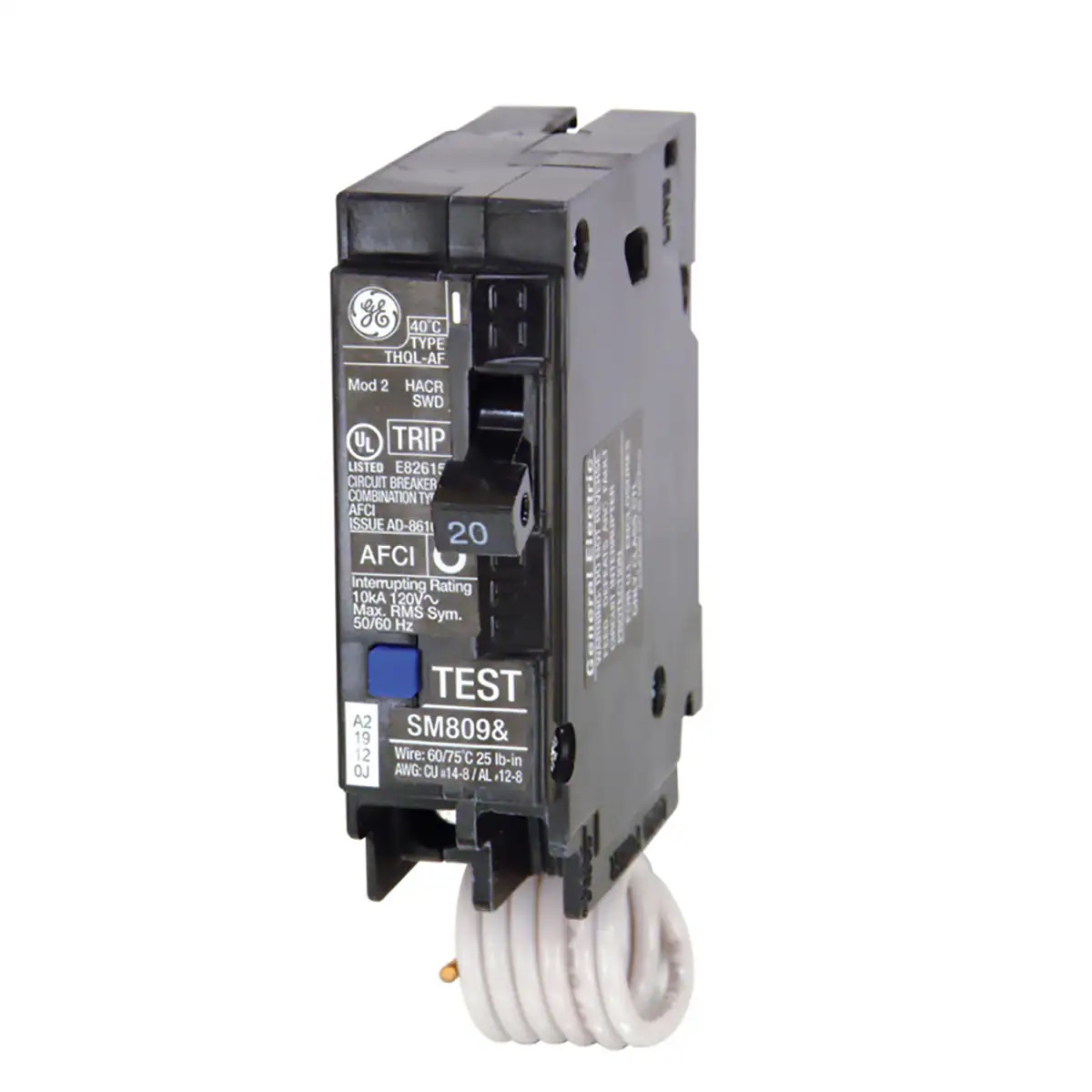
What Is a 20 Amp Circuit Breaker?
Understanding Its Purpose
A 20 amp circuit breaker is a protective electrical device designed to interrupt the flow of electricity whenever the current exceeds 20 amps. Instead of allowing excessive current to damage wires or connected equipment, the breaker automatically trips and disconnects the circuit. Once the problem is fixed, the breaker can usually be reset without replacing it.
Where Is It Commonly Used?
A 20 amp breaker is widely used in both residential and commercial electrical systems. Common applications include:
- Kitchen countertop outlets
- Bathroom receptacles
- Laundry room circuits
- Garage outlets
- Small commercial workspaces
- Office equipment circuits
- Lighting and power distribution systems
Why Choosing the Right Circuit Breaker Matters
Selecting the correct breaker is about more than matching the amperage. The wrong breaker can cause nuisance tripping, overheating, equipment damage, or even serious safety hazards.
The right electrical circuit breaker provides:
- Reliable overload protection
- Improved electrical safety
- Longer equipment life
- Compliance with electrical regulations
- Stable power distribution
Residential vs. Commercial Applications
Residential Electrical Systems
In homes, a 20 amp breaker is commonly paired with 12 gauge wiring. It supplies power to rooms and appliances that require more electricity than standard lighting circuits. Modern homes frequently use dedicated 20 amp circuits for kitchens, bathrooms, garages, and workshops.
Commercial Electrical Systems
Commercial buildings often operate larger electrical loads throughout the day. A commercial breaker must provide dependable performance under continuous operation. Offices, retail stores, restaurants, schools, and healthcare facilities commonly use 20 amp breakers for branch circuits supplying equipment and lighting.
Types of 20 Amp Circuit Breakers
Standard Thermal Magnetic Breakers
These are the most common breakers used in homes and businesses. They respond to overloads and short circuits using thermal and magnetic protection mechanisms.
AFCI Breakers
Arc Fault Circuit Interrupter breakers detect dangerous electrical arcing that may lead to fires. They are commonly required in many residential living spaces.
GFCI Breakers
Ground Fault Circuit Interrupter breakers protect people from electrical shock by detecting leakage current. They are ideal for bathrooms, kitchens, garages, laundry rooms, and outdoor installations.
Dual Function Breakers
Dual function breakers combine AFCI and GFCI protection in a single device, offering enhanced safety for modern electrical installations.
Factors to Consider Before Buying
Verify Panel Compatibility
Not every breaker fits every electrical panel. Always verify compatibility with your panel manufacturer before purchasing.
Match the Correct Wire Size
A 20 amp breaker should normally be connected to 12 AWG copper wire. Installing a larger breaker on smaller wiring creates a significant safety risk.
Choose a Trusted Manufacturer
Buying from a reputable electrical brand helps ensure quality, durability, and compliance with recognized safety standards.
Consider the Installation Environment
Commercial environments may require heavy duty breakers designed for continuous operation, while residential installations often prioritize safety features like AFCI and GFCI protection.
Common Mistakes to Avoid
Many electrical problems occur because of incorrect breaker selection. Avoid these common mistakes:
- Installing the wrong breaker size
- Using incompatible breaker brands
- Ignoring electrical code requirements
- Replacing a frequently tripping breaker without finding the actual problem
- Using undersized or damaged wiring
Maintenance Tips
Proper maintenance helps extend the life of your electrical system.
- Inspect the electrical panel regularly.
- Test GFCI and AFCI breakers according to manufacturer recommendations.
- Replace damaged or worn breakers immediately.
- Keep the electrical panel clean and dry.
- Have commercial systems inspected by qualified electricians periodically.
Signs Your Circuit Breaker May Need Replacement
A breaker should be inspected or replaced if you notice:
- Frequent tripping
- Burn marks or discoloration
- Burning smells
- Breaker that will not reset
- Loose connections
- Visible physical damage
Ignoring these warning signs can increase the risk of electrical failure and fire.
Benefits of Choosing the Right 20 Amp Circuit Breaker
Selecting the proper breaker provides several long term advantages.
- Improved electrical safety
- Better protection for appliances
- Reduced fire risk
- Lower maintenance costs
- Reliable power distribution
- Longer electrical system lifespan
- Compliance with residential and commercial electrical standards
Conclusion
A 20 amp circuit breaker plays a critical role in protecting both residential and commercial electrical systems. Choosing the correct breaker involves more than selecting the right amperage. You must also consider compatibility, safety features, wiring requirements, and the environment where it will be installed. Investing in a high quality 20 Amp Electrical Protection Breaker helps prevent costly electrical problems, protects valuable equipment, and provides reliable performance for years to come. When in doubt, consult a licensed electrician to ensure your electrical system remains safe, efficient, and code compliant.
FAQs
What is a 20 amp circuit breaker used for?
A 20 amp circuit breaker protects electrical circuits from overloads and short circuits in homes, offices, and commercial buildings.
Can I replace a 15 amp breaker with a 20 amp breaker?
Only if the circuit is wired with the correct 12 AWG conductors and meets local electrical code requirements.
How do I know if my breaker is compatible with my panel?
Check the panel manufacturer’s specifications and use only approved breaker models designed for that panel.
What is the difference between a standard breaker and a GFCI breaker?
A standard breaker protects against overloads and short circuits, while a GFCI breaker also protects against electrical shock caused by ground faults.
Why does my 20 amp breaker keep tripping?
Common causes include overloaded circuits, faulty appliances, damaged wiring, or a defective breaker.
How long does a 20 amp circuit breaker last?
A quality circuit breaker can last 20 to 40 years, depending on usage, environmental conditions, and maintenance.