We spend almost a third of our lives in bed, yet most spend less time choosing a sheet set than picking out sneakers. It usually goes like this: you walk into a store, touch three fabric displays, pick the smoothest one under fluorescent lights, and hope for the best. Fast forward three washes later, and that once-soft sheet feels rough or pills into itchy fiber balls.
If you are looking to upgrade your sleep setup, it pays to know what actually goes into a quality weave. Whether refreshing a guest bedroom or buying something cozy for yourself, knowing how to shop cotton bedsheets with confidence can save you money and ensure a genuinely restful night.
Why Cotton Still Reigns Supreme
Synthetic fabrics like microfiber have flooded the bedding market because they are cheap to make. Microfiber is essentially plastic thread spun into fabric. While soft initially, it traps heat and moisture, making you wake up clammy at night.
Pure cotton remains the gold standard for bedding for several key reasons:
- Breathability: Natural fibers allow air to circulate freely, regulating body temperature naturally through hot summers and chilly winters.
- Durability: High-quality long-staple cotton gets softer with every wash rather than breaking down or pilling.
- Skin-Friendly: Cotton is hypoallergenic and gentle on sensitive skin, avoiding the harsh chemical treatments found in cheap synthetic weaves.
When you decide to cotton bedsheets for your home, you invest in a natural material that adapts to your body.
Step 1: Understand Cotton Varieties
Not all cotton is created equal. The length of the cotton fiber—known as the “staple”—determines the ultimate strength and softness of the sheet.
- Short-Staple Cotton: Common in budget bedding. The short fibers break easily over time, leading to pilling after a few cycles in the washing machine.
- Long-Staple Cotton: Represents the top tier of comfort. Varieties like Egyptian, Pima, and Supima feature long fibers that create fine, smooth yarns. They yield durable sheets that maintain their color and texture for years.
- Organic Cotton: Grown without toxic pesticides or synthetic fertilizers. It is ideal for kids’ rooms or anyone wanting an eco-friendly option.
Step 2: Demystify Thread Count
For years, marketing convinced consumers that higher thread count automatically meant luxury. Brands boasted 1000+ thread counts on budget sheets, leaving buyers confused when those sheets felt heavy, stiff, or tore after two months.
Thread count refers to the number of vertical and horizontal threads per square inch of fabric.
- 200 to 400 Thread Count: The sweet spot for crisp, light, highly breathable sheets (standard percale).
- 400 to 600 Thread Count: Yields a richer, smoother texture with a gentle sheen (typical for sateen weaves).
- 600+ Thread Count: Often relies on “multi-ply” yarn, where manufacturers twist multiple lower-grade fibers together to inflate the count artificially. This results in heavy sheets that trap heat.
Focus on fiber quality over inflated thread numbers. A true 300-thread-count sheet made from long-staple cotton will outperform an 800-thread-count sheet made from cheap multi-ply yarn every time.
Step 3: Choose Your Weave – Percale vs. Sateen
How a sheet is woven changes its hand-feel, look, and breathability. The two most popular weaves you will encounter are percale and sateen.
Percale (The Crisp Option)
Percale uses a classic one-over, one-under weave pattern. It produces a matte finish and a crisp structure similar to a fresh button-down shirt. Percale is inherently breathable, making it the top pick for hot sleepers.
Sateen (The Silky Option)
Sateen uses a three-over, one-under structure, exposing more thread surface on top. This creates a soft, lustrous sheen and a heavier weight. Sateen feels warmer against the skin and works beautifully during cooler months.
Step 4: Sizing and Fit Considerations
Getting the right dimensions seems simple until you try stretching an ill-fitted sheet over a thick mattress topper.
Master Bedrooms & Large Beds
Always measure your mattress depth before buying. Standard pocket depth ranges from 12 to 14 inches, while deep-pocket options cater to 16-to-18-inch pillow-top mattresses.
Kids’ Rooms, Daybeds, and Guest Rooms
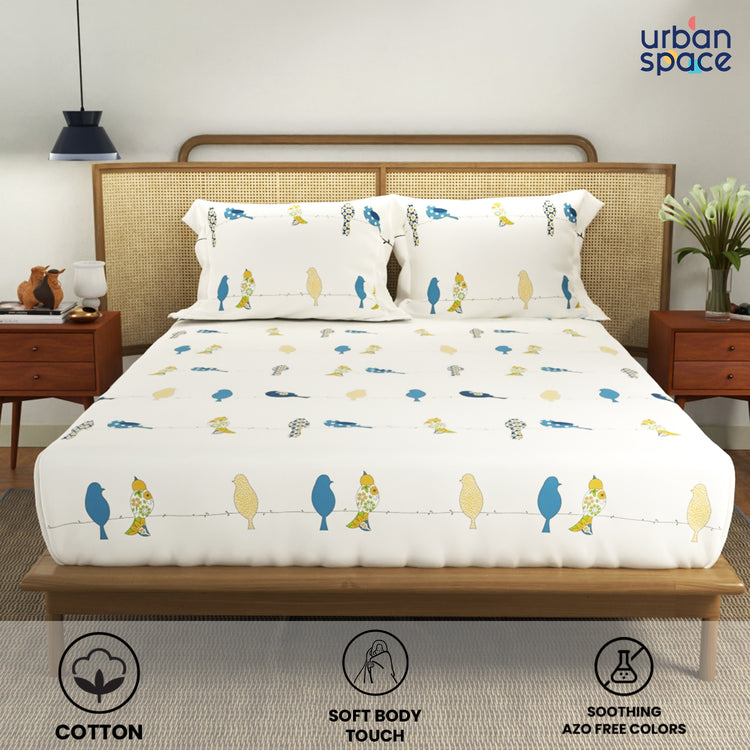
When outfitting smaller spaces, pay extra attention to thread weight and fit. If you need bedding for a kids’ room, daybed, or cozy guest room, opting for a durable single bedsheet cotton weave ensures easy washing and daily longevity. Smaller beds suffer more wear and tear because kids jump on them and guests toss and turn in unfamiliar spaces.
When you purchase a single bedsheet cotton option for a smaller bed, make sure the elastic on the fitted sheet spans the full perimeter, not just the corners. Full elastic holds firm even during restless sleep. Furthermore, picking out a breathable single bedsheet cotton fabric keeps children cool throughout the night, preventing late-night wake-ups.
If you are replacing old linens, a simple single bedsheet cotton set is versatile enough to double as a spare panel for pull-out sofas or dorm setups. Having two or three spare sets of single bedsheet cotton bedding in your linen closet makes hosting last-minute guests entirely stress-free.
Step 5: How to Care for Pure Cotton Sheets
Even high-end bedding loses its charm if washed incorrectly. To keep your sheets feeling like new:
- Wash in Warm or Cool Water: Hot water can shrink cotton fibers and weaken the weave over time.
- Use Mild Detergents: Avoid harsh bleaches or heavily scented fabric softeners. Softeners leave a dynamic chemical film on natural fibers that clogs breathability.
- Tumble Dry Low: Remove sheets while slightly damp to minimize wrinkles, or hang-dry outdoors.
Where to Shop for Quality Bedding
Finding comfortable bedding used to mean visiting physical department stores and blind-testing floor samples. Today, direct-to-consumer options make finding genuine quality far simpler. When you shop cotton bedsheets online or in specialty shops, look for transparent detail regarding staple length, weave type, and certification standards.
A good set does not have to cost a fortune. Modern collections—such as those offered by Urban Space, along with various boutique home brands—prioritize ethical sourcing and uncompromised weaves over high retail markups. The key is simply knowing what specs matter before handing over your credit card.
When you take the time to shop cotton bedsheets with a clear understanding of fiber length, weave, and care instructions, you elevate your nightly routine into a true rest experience. If you prepare well and shop cotton bedsheets thoughtfully, you will enjoy deep, comfortable sleep for years to come.