A dental bill has a funny way of arriving at the worst possible time. You schedule a routine cleaning, expect a simple visit, and then discover that a filling, crown, or other treatment may cost much more than expected.
For families in Charlotte, FL, planning ahead can make those moments far less stressful. Between regular checkups, changing household budgets, and unexpected dental needs, having a clear understanding of your coverage can help you make better decisions without feeling pressured.
Whether you are reviewing your current protection or looking at dental insurance plans, the goal is simple: understand what you are paying for and how it can support your everyday needs.
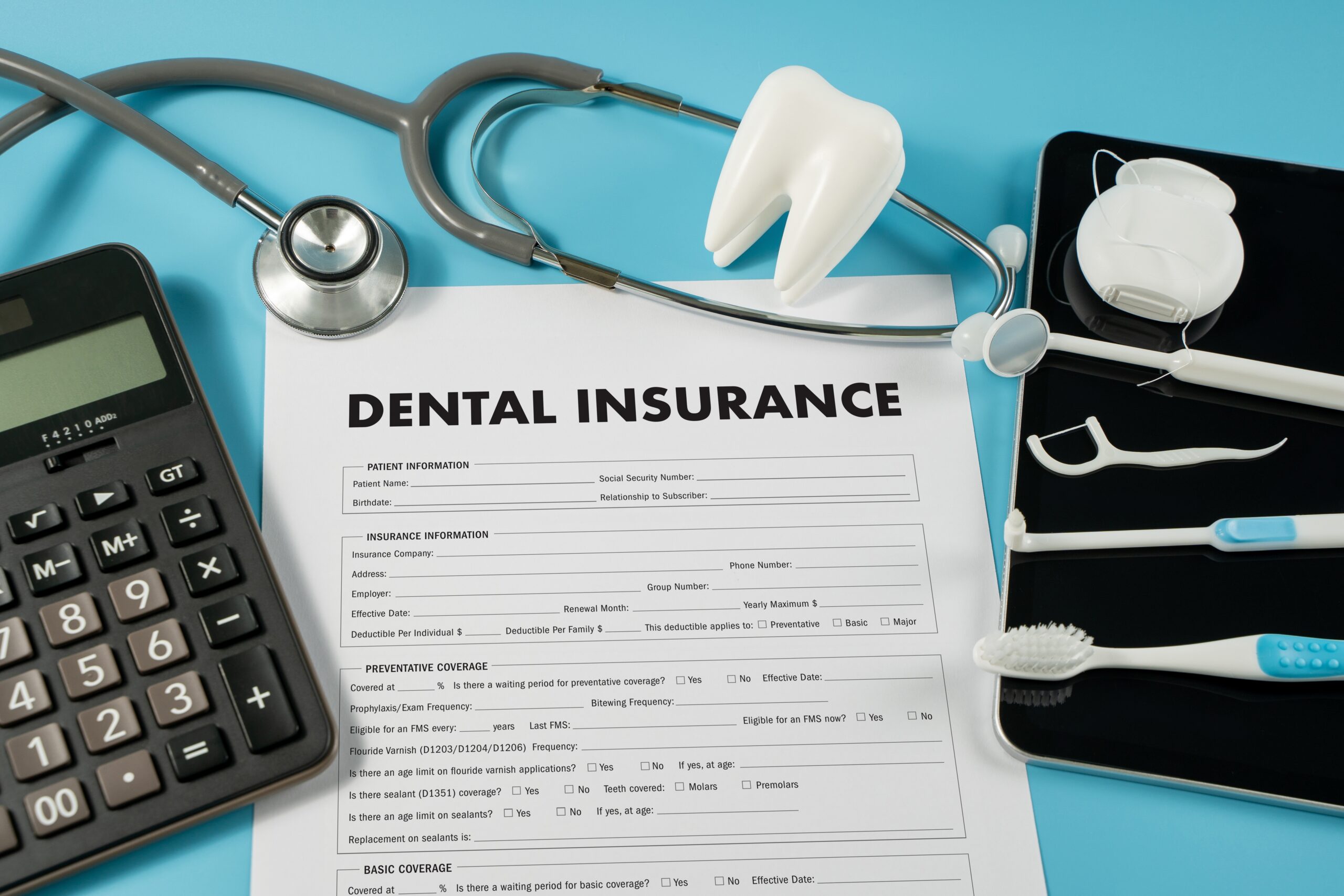
What Should You Look for in Dental Coverage?
Not every policy works the same way. Two options may appear similar at first glance but differ significantly in deductibles, networks, waiting periods, annual limits, and covered services.
Before choosing a plan, look beyond the monthly premium.
Start With the Basics
Check whether the coverage includes the types of care you are most likely to need:
- Preventive cleanings and exams
- Routine X-rays
- Fillings and restorative work
- Crowns or other major procedures
- Emergency dental treatment
- Pediatric dental needs, if applicable
Preventive care deserves particular attention. Regular visits may help identify small problems before they become expensive and disruptive.
Understand Your Out-of-Pocket Costs
A low monthly payment does not automatically mean a plan will be cheaper overall.
Look at the deductible, copayments, coinsurance, annual maximum, and percentage the policy pays toward different services. Knowing these numbers beforehand can prevent an unpleasant surprise after treatment.
Real Problems Charlotte Residents Face
Insurance can feel confusing even when you are generally comfortable managing household finances. Local residents often run into a few common challenges.
Unexpected Dental Expenses
A cracked tooth or sudden pain can turn a normal week into an urgent appointment. If you have not reviewed your coverage, it may be difficult to know what portion of the bill you will be responsible for.
Confusing Policy Language
Terms such as deductible, coinsurance, waiting period, exclusions, and annual maximum can make an otherwise straightforward policy difficult to compare.
People often focus on the premium and overlook the details that actually affect how much they may pay when care is needed.
Finding the Right Provider
A plan can look attractive until you discover that your preferred dentist is outside the network. Before enrolling, check whether your current provider participates and whether there are convenient alternatives nearby.
A Little Local Perspective
Life in Charlotte County has its own rhythm. Residents around Port Charlotte, Punta Gorda, Englewood, and nearby communities may spend their days balancing work, family responsibilities, appointments, and Florida’s unpredictable weather.
A summer storm can quickly rearrange a busy schedule, while seasonal population changes can make appointment availability feel different throughout the year.
That is why convenience matters. Coverage should not only make financial sense; it should fit realistically into the way you live.
A Practical Way to Compare Your Options
You do not need to become an insurance expert overnight. A simple process can make comparing policies much easier.
Step 1: Write Down Your Typical Needs
Think about how often you visit the dentist and whether your household has children, ongoing dental treatment, or a history of needing restorative care.
Step 2: Compare the Total Cost
Look at the monthly premium alongside deductibles, copays, coinsurance, and annual limits.
Step 3: Check the Network
Confirm whether your preferred dentist accepts the plan. If you are willing to change providers, identify nearby in-network options before making a decision.
Step 4: Ask About Waiting Periods
Some policies may have waiting periods before certain services become available. This matters if you already expect to need significant treatment.
Step 5: Review the Fine Print
Ask about exclusions, limitations, annual maximums, and what happens if you reach your benefit limit.
Taking these steps can turn an overwhelming comparison into a manageable conversation.
How Broader Coverage Can Fit Into the Picture
Dental needs are only one part of protecting a household budget. A person may also be evaluating temporary medical coverage or additional protection for expenses that a primary health policy does not fully address.
For residents exploring short term health insurance Charlotte, FL, it is worth reviewing eligibility, coverage limitations, exclusions, and the length of available protection rather than choosing solely on price.
Likewise, supplemental health insurance Charlotte, FL may be worth discussing when someone wants additional financial protection for certain covered expenses. Supplemental products can vary considerably, so the details of each policy matter.
The key is to look at your coverage as a whole instead of purchasing individual policies without considering how they work together.
What Makes an Insurance Professional Worth Trusting?
Choosing coverage is also about choosing someone you feel comfortable asking questions.
A trustworthy insurance professional should be willing to explain costs and limitations clearly instead of rushing you toward a decision.
Look for qualities such as:
- Clear explanations without unnecessary jargon
- Transparent discussion of premiums and potential out-of-pocket costs
- Help comparing available options
- Prompt responses to questions
- Proper licensing and professional credentials
- A willingness to explain both benefits and limitations
For Charlotte-area residents, working with a local professional can also make conversations more personal. Amanda Milton Insurance can be a starting point for residents who want to discuss their coverage needs and better understand available insurance options.
Questions Worth Asking Before You Enroll
Before signing up, keep your questions simple and direct.
Ask what preventive services are covered, whether your dentist is in-network, what the deductible is, how annual limits work, and whether major procedures have waiting periods.
You can also ask what happens if you need treatment that is not covered. A clear answer is much more useful than discovering the limitation after receiving a bill.
FAQ
Q1. What should I compare when choosing dental coverage?
Ans: Compare the premium, deductible, annual maximum, covered services, waiting periods, network dentists, and expected out-of-pocket costs.
Q2. Does dental coverage usually include preventive visits?
Ans: Many plans provide benefits for preventive services, but the exact coverage varies by policy. Review the plan documents before enrolling.
Q3. Can I keep my current dentist?
Ans: Possibly. Check whether your dentist participates in the plan’s network before choosing coverage.
Q4. Why do annual maximums matter?
Ans: An annual maximum is the amount a policy may pay toward covered dental services during a specific benefit year. Once that limit is reached, you may pay more yourself.
Q5. Should families consider more than one type of insurance?
Ans: Depending on their circumstances, families may benefit from reviewing dental, health, and supplemental coverage together. A licensed insurance professional can help explain how available options fit their situation.
Q6. When should I review my coverage?
Ans: Review it when your household circumstances change, your current plan no longer fits your needs, or you expect significant medical or dental expenses.
Conclusion
Good insurance planning is not about finding the most complicated policy. It is about finding coverage that makes sense for your needs, budget, and daily life.
For Charlotte, FL residents, taking time to compare dental insurance plans, understand costs, check provider networks, and ask direct questions can make future dental expenses easier to manage.
If you are unsure where to start, Amanda Milton Insurance can provide a place to discuss your options and clarify the details that matter most. A little preparation today can make tomorrow’s appointment much less stressful.