Comparing documentation for Retatrutide research peptide and BPC-157 helps researchers understand quality requirements, verify product authenticity, and ensure compliance with institutional standards for laboratory research applications. This comparative analysis supports quality assurance efforts and helps researchers make informed purchasing decisions.
Understanding documentation requirements for both peptides enables researchers to evaluate supplier quality, verify product specifications, and maintain compliance with institutional and regulatory requirements throughout their research projects. This knowledge supports quality purchasing decisions and helps laboratories maintain high standards for research peptide procurement.
Certificate of Analysis Comparison
Retatrutide and BPC-157 both require comprehensive certificates of analysis that include detailed information about product identity, purity levels, testing methodologies, and batch-specific data. These documents serve as critical evidence of product integrity and support institutional approval processes.
Certificates should clearly specify testing methodologies used to determine purity levels, including HPLC conditions, mass spectrometry parameters, and other analytical techniques employed during quality assessment. This information enables researchers to evaluate testing adequacy and verify results reliability for their specific research applications.
Purity and Testing Standards
Both peptides require comprehensive purity testing using validated analytical methods to verify product identity, purity levels, and impurity profiles before experimental use. These testing requirements ensure researchers receive materials that meet their experimental specifications and institutional quality standards.
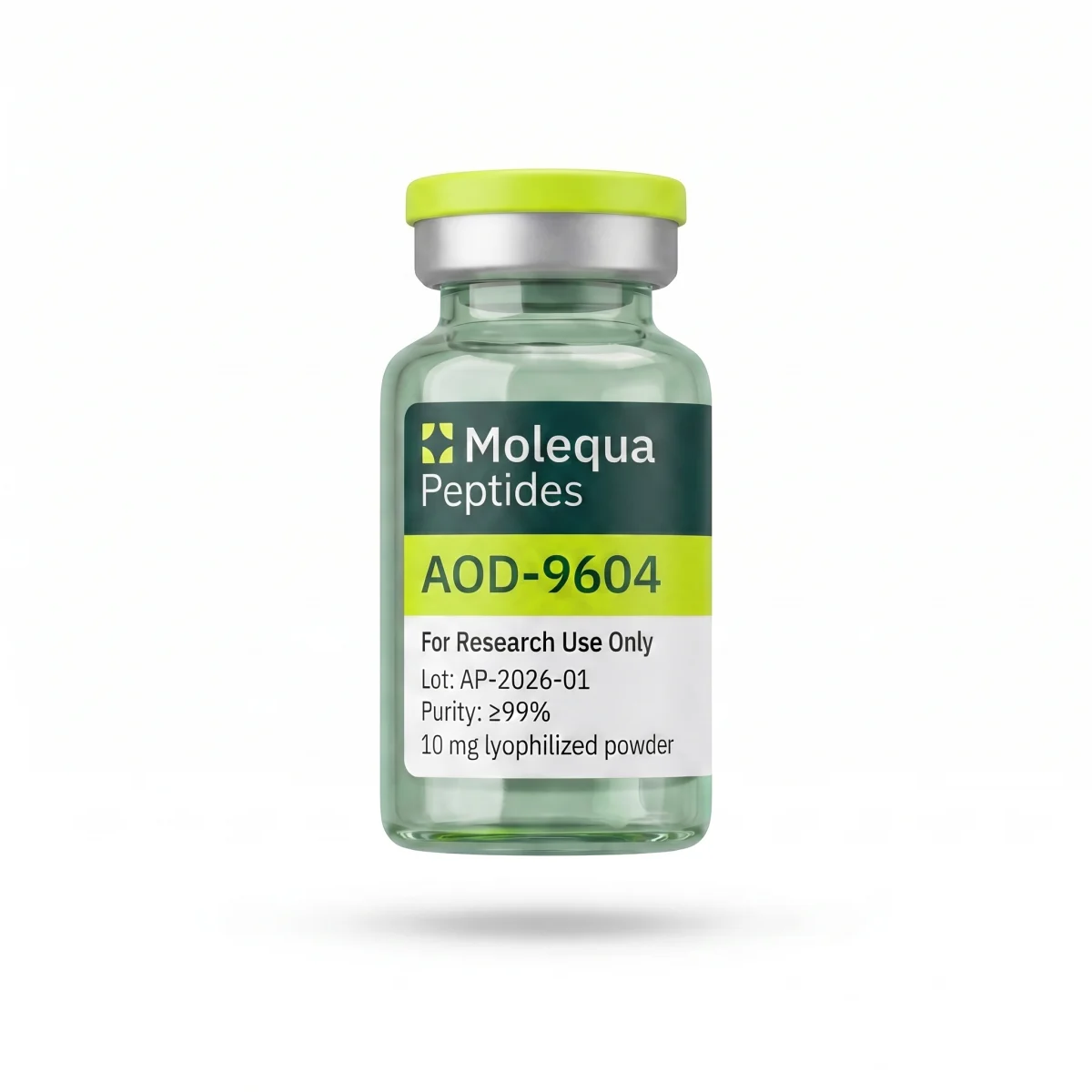
Testing protocols should include detailed chromatograms, purity calculations, and impurity identification that provide complete information about product quality and composition. This comprehensive testing approach supports quality assurance efforts and helps researchers make informed decisions about peptide suitability for their research applications.
Storage and Handling Documentation
Proper storage conditions significantly impact both Retatrutide research peptide and BPC-157 stability and experimental reproducibility, making it essential for researchers to understand and implement specific storage requirements for each compound. Temperature control, light protection, and humidity management represent fundamental considerations.
Storage protocols should include temperature monitoring, light protection measures, and humidity control systems that maintain optimal conditions throughout the intended use period. Proper storage documentation also supports institutional compliance and helps maintain accurate inventory records for laboratory management purposes.
Regulatory Compliance Information
Documentation for both peptides should include information about regulatory compliance, safety classifications, and appropriate use designations that support institutional approval processes and regulatory requirements. This information helps researchers maintain compliance with laboratory safety protocols and institutional policies.
Compliance documentation should clearly indicate research-use-only status and provide appropriate safety warnings and handling precautions for laboratory personnel. This information supports safe laboratory practices and helps researchers maintain compliance with institutional safety requirements and regulatory standards.
Batch Traceability Requirements
Proper batch identification and traceability information enables researchers to track product history, verify authenticity, and maintain detailed records for institutional compliance and quality assurance purposes. This information supports reproducible research and facilitates quality issue resolution if problems arise.
Batch numbers should be clearly documented and correspond to specific production runs with complete testing and quality assurance records. This traceability enables rapid response to quality concerns and supports transparent research practices throughout experimental workflows and institutional review processes.
Supplier Documentation Quality
Comparing documentation quality across different suppliers provides valuable insights into quality standards, testing rigor, and documentation completeness that inform supplier selection decisions. This evaluation process helps researchers identify suppliers who consistently meet quality requirements.
Regular review of documentation quality and completeness helps researchers maintain high standards for peptide purchases and supports ongoing quality improvement in laboratory operations. This proactive approach to quality assurance benefits research outcomes and institutional compliance efforts throughout research programs.