Root canal therapy often comes with a lot of misconceptions and fear. Many people think it’s a painful procedure or that it’s a sign of a severe dental problem. However, root canal therapy is a routine treatment that can save a tooth and relieve pain.
In this blog, we will explore Root Canal Treatment Cypress, when it is needed, and why it’s a vital part of dental care. If you’re in Cypress, TX, and dealing with tooth pain, infection, or any other signs that could mean a root canal is necessary, understanding the procedure and its benefits can help ease your worries.
What Is a Root Canal?
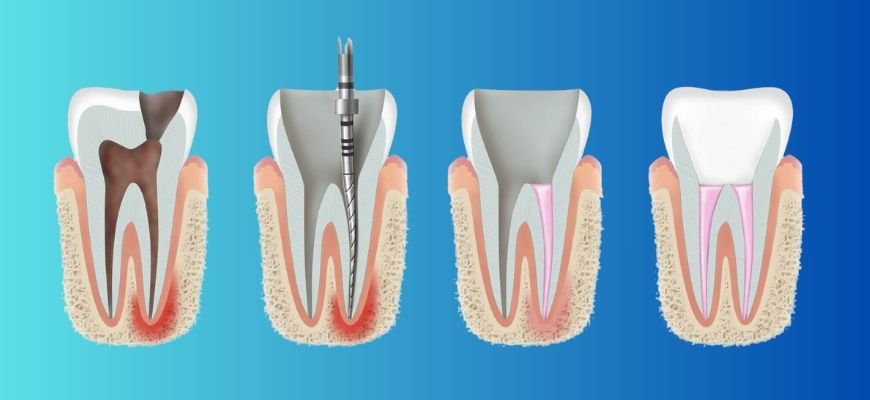
A root canal is a dental procedure that removes infected or damaged tissue from inside your tooth. The inside of your tooth has a soft tissue called the pulp, which contains blood vessels, nerves, and connective tissue. If this pulp becomes infected due to deep decay, cracks, or trauma, a root canal is often the best way to save the tooth.
The procedure involves removing the infected pulp, cleaning the area, and sealing it to prevent further infection. After the treatment, the tooth is usually restored with a crown to protect it and restore its function.
By preserving your natural tooth through Root Canal Treatment, you avoid extraction and can continue using the tooth for chewing and speaking, keeping your smile intact.
When Is Root Canal Therapy Needed?
Severe Tooth Pain
The most common reason people seek Root Canal Treatment is persistent tooth pain. If you experience severe pain, especially when chewing or applying pressure to the tooth, it could indicate that the pulp inside your tooth is infected.
Pain often results from the nerves in the tooth pulp becoming irritated or damaged. In such cases, a Root Canal Dentist in Cypress will remove the damaged tissue to eliminate the pain and prevent it from spreading to other teeth.
Infection or Abscess
An infection or abscess forms when bacteria invade the pulp of the tooth. This infection can spread to the surrounding bone and cause severe pain, swelling, and even a pus-filled abscess. An abscess is usually accompanied by discomfort and bad breath, both signs that the infection has reached an advanced stage.
When an infection or abscess occurs, Root Canal Treatment is essential to remove the infection and prevent it from spreading further. If you notice swelling near the tooth or a foul taste in your mouth, it’s important to consult a Root Canal Dentist in Cypress as soon as possible.
Tooth Sensitivity to Hot and Cold
If you experience prolonged tooth sensitivity to hot or cold temperatures, it may be a sign of nerve damage inside the tooth. This sensitivity can be caused by a deep cavity or an untreated crack, which allows the nerves inside the tooth to become exposed.
In such cases, Root Canal Treatment is necessary to remove the infected or damaged pulp and restore the tooth’s sensitivity to normal levels. While some mild sensitivity is normal, if it lingers or worsens, it’s time to consult with a dentist.
Discoloration of the Tooth
A tooth that has become darker or discolored over time can indicate that the pulp is damaged or dead. This discoloration occurs because the blood supply to the tooth has been compromised. If a tooth becomes discolored following a traumatic injury or untreated decay, it may be a sign that a root canal is needed to save the tooth.
If you notice a significant color change in your tooth, contact your dentist for an evaluation. Root Canal Treatment in Cypress is often the solution to restore both the function and appearance of the tooth.
Broken or Cracked Tooth
If a tooth is cracked or broken, it can expose the pulp to bacteria, leading to infection. Sometimes a crack can go unnoticed, but over time, it may cause severe pain and damage.
A Root Canal Dentist in Cypress can treat this issue by removing the infected pulp and sealing the tooth to prevent further damage. This helps preserve the tooth and prevent the need for extraction.
How Is a Root Canal Performed?
A root canal is typically performed in one or two visits to the dentist. Here’s what to expect during the procedure:
- Anesthesia: Before the procedure begins, the dentist will numb the area around the affected tooth to ensure you are comfortable and pain-free.
- Cleaning: The dentist will then create a small opening in the crown of the tooth to access the pulp chamber. They will remove the infected or damaged pulp using specialized tools.
- Sealing: After the pulp is removed, the root canals are cleaned and shaped. The space is then filled with a biocompatible material to seal the area and prevent further infection.
- Restoration: In many cases, a crown is placed over the tooth to restore its strength and function.
The procedure usually takes between 60 to 90 minutes, depending on the complexity of the infection. Most patients report little to no discomfort during the procedure, thanks to modern anesthetics and techniques.
The Benefits of Root Canal Therapy
Saving the Natural Tooth
One of the main benefits of Root Canal Treatment is that it allows you to keep your natural tooth. Rather than extracting the tooth, the root canal removes the infection and restores the tooth to full function.
Preventing Further Infection
By removing the infected pulp and sealing the tooth, the procedure prevents the infection from spreading to other areas of your mouth. This helps preserve the overall health of your teeth and gums.
Maintaining Functionality and Appearance
After treatment, a crown is placed on the tooth, restoring its strength and function. This allows you to chew and speak normally. A well-restored tooth will look natural and blend seamlessly with the rest of your smile.
What Happens After Root Canal Therapy?
After the procedure, some mild discomfort or soreness is normal. However, this should subside within a few days. In rare cases, you may experience Gum Abscess Happen After a Root Canal due to reinfection or an issue with the healing process. This is why it’s important to follow your dentist’s aftercare instructions carefully.
It is essential to follow your dentist’s aftercare instructions, which may include avoiding chewing on the treated tooth for a few days to allow it to heal. A follow-up visit may be scheduled to ensure the tooth is healing properly and to place a permanent crown if needed.
Risks and Potential Complications
Like any medical procedure, root canals come with some risks. While complications are rare, it’s important to be aware of them:
- Infection: In rare cases, the infection may not be fully removed, causing reinfection.
- Pain: Some discomfort after the procedure is normal, but if pain persists, it’s important to consult your dentist.
- Cracked Root: If the root is severely damaged, the procedure may not be successful, and the tooth may need to be extracted.
These complications can be minimized by working with an experienced Root Canal Dentist in Cypress, such as the team at Cypress Towne Dental, who can ensure the procedure is done correctly.
Alternatives to Root Canal Therapy
If a root canal is not an option, your dentist may recommend other treatments, including:
- Tooth Extraction: If the tooth is severely damaged, extraction may be necessary. However, extraction should be a last resort, as it leaves a gap that needs to be addressed with a bridge or implant.
- Dental Implants and Bridges: If a tooth is extracted, a dental implant or bridge can be placed to restore the gap and maintain normal function.
Although extraction is sometimes necessary, Root Canal Treatment is often the best option for saving the tooth and preserving your natural smile.
When Should You Consult a Dentist for Root Canal Therapy?
If you experience any of the symptoms mentioned earlier, it’s time to consult a dentist. Early treatment can prevent the need for more invasive procedures and help preserve your tooth for many years.
Don’t wait until the pain becomes unbearable. If you are in Cypress, TX, and suspect you need a root canal, consult with a Root Canal Dentist in Cypress for an evaluation.
Conclusion
Root canal therapy may sound intimidating, but it is a simple, effective procedure that can save your natural teeth and relieve pain. If you’re experiencing symptoms like severe tooth pain, infection, or sensitivity, don’t hesitate to reach out for Root Canal Treatment Cypress. With proper care, this treatment can restore your smile and prevent future complications.
If you are in Cypress, TX, or surrounding areas, don’t wait for the problem to worsen. Visit Cypress Towne Dental and let our experienced team take care of your dental needs.
FAQs
Is root canal therapy painful?
Root canal therapy is usually not painful. Modern techniques and anesthesia ensure that you’re comfortable throughout the procedure. Some mild discomfort may occur afterward, but it typically goes away within a few days.
How long does a root canal take to complete?
A root canal typically takes 60 to 90 minutes. Complex cases may require more time, and a follow-up visit may be needed to place a crown or perform further procedures.
Can a tooth that had a root canal get infected again?
While rare, reinfection is possible if bacteria re-enter the tooth. Regular follow-up visits and proper oral hygiene can help prevent reinfection and ensure long-term success.