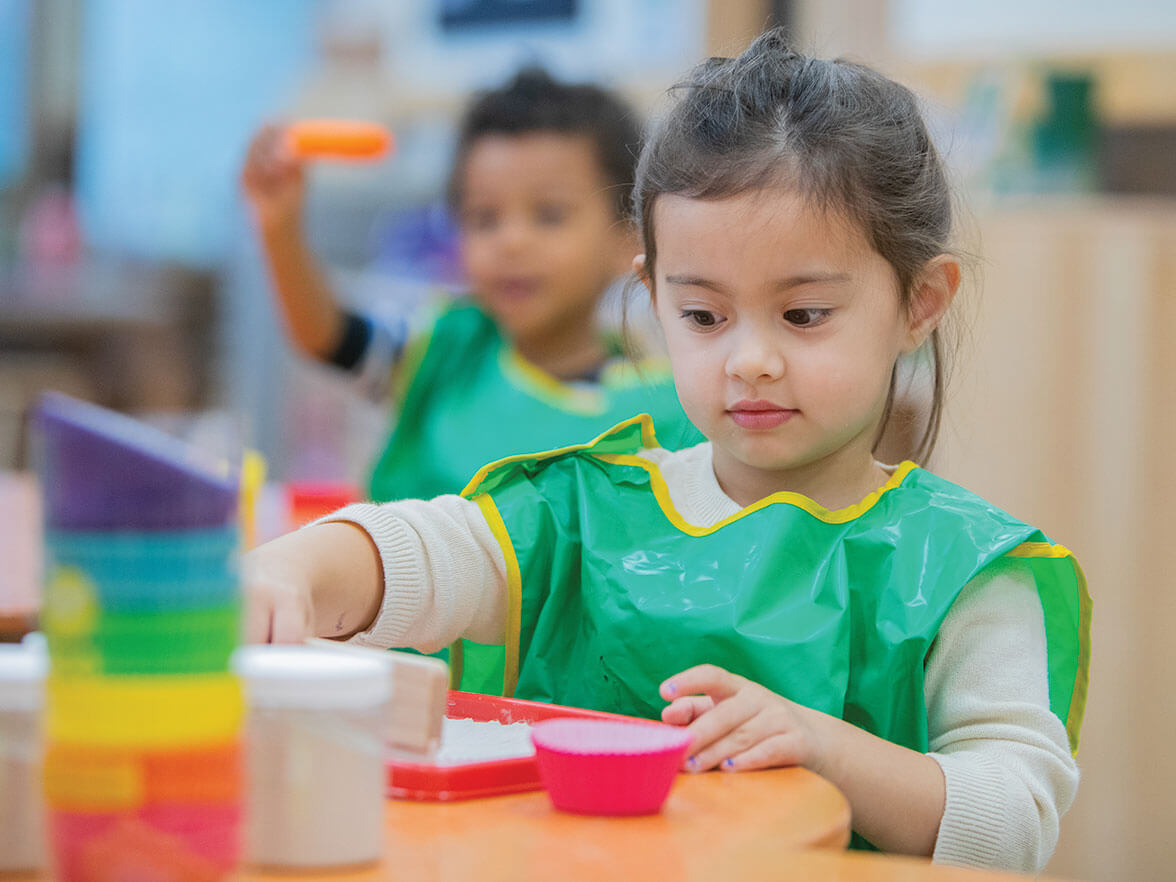
Every parent eventually finds themselves asking the same question: “Is my child ready for a structured learning program?”
It’s not always easy to know when the right time is. Toddlers grow at different paces, and what seems like a small step for one child might be a big leap for another. Some parents worry about sending their little ones “too soon,” while others are afraid of waiting too long. The truth lies somewhere in the middle.
This guide is here to help you sort through the signals. Instead of overthinking milestones, let’s talk about the everyday moments, the little clues in your toddler’s behavior, that may tell you they’re ready for something more than just playtime at home.
Why Structured Learning Matters at This Age
Before diving into the signs, let’s pause and look at why structured learning programs exist for toddlers in the first place.
Toddlers are naturally curious. They’re explorers who learn through touch, repetition, and interaction. A structured program doesn’t mean strict rules or endless worksheets. The goal is to help children build social, emotional, and cognitive foundations that prepare them for preschool and beyond.
Think of it this way: structured learning is like giving your toddler a safe sandbox. Inside it, they can dig, explore, and build, but they’re also learning how to share the shovel, take turns, and listen to simple instructions.
How to Tell If Your Toddler Is Ready
Below are some of the clearest signs parents can look for. You might see all of them or just a few. Every child is unique, but these clues often signal readiness for a program outside of the home.
1. They Follow Simple Directions
Can your toddler respond when you say things like, “Please bring me your shoes,” or “Let’s put the blocks back in the box”?
Being able to follow one-step or two-step instructions is a huge indicator of readiness. Structured learning programs rely on small group activities where children are asked to listen, pause, and act. If your child can handle basic directions, they’re on their way.
2. Interest in Playing With Other Children
A toddler doesn’t need to be the life of the party, but showing curiosity about other kids is a big step.
- Do they watch other children play at the park?
- Do they hand toys to siblings, cousins, or friends?
- Have they started trying to imitate what other kids are doing?
These are early signs of social readiness. Structured learning environments encourage healthy peer interaction, helping toddlers build confidence outside their family circle.
3. Ability to Stay Engaged in Activities
Toddlers have short attention spans, but by age two or three, you may notice they can focus on something they enjoy for longer stretches.
If your child can sit and listen to a short story, build a tower of blocks, or work on a puzzle without darting off after a minute, that’s a clue they may be ready to engage in group learning activities.
4. Showing Independence in Daily Routines
Structured programs often involve snack time, bathroom breaks, and cleanup. Toddlers who start showing independence in these daily routines, like trying to feed themselves, putting toys back on shelves, or even asking to wash their hands, are better equipped to handle the expectations of a classroom-like setting.
5. Curiosity About Letters, Numbers, and Songs
Your toddler doesn’t need to know the alphabet or how to count to ten before starting a program. But if they’re showing curiosity, like pointing out letters on signs, singing along with nursery rhymes, or trying to repeat numbers, they’re signaling that they’re ready for more structured exposure.
6. Emotional Readiness
This one is subtle but important.
- Can your toddler separate from you, even if just for a short time?
- Are they learning to manage emotions like frustration (with a little help)?
- Do they recover quickly after being upset?
No toddler is perfect at this, but progress in emotional regulation is a sign they can thrive in a structured group environment.
7. A Desire for Routine
Some toddlers crave consistency. If your child enjoys knowing what comes next, like snack after play or bedtime after storytime, that’s a sign they’ll adapt well to the predictable rhythms of a structured learning program.
Quick Checklist of Readiness Signs
| Readiness Area | What to Look For |
| Following Instructions | Can follow 1–2 step directions |
| Social Interaction | Watches, imitates, or plays with other kids |
| Attention Span | Stays focused on an activity for a few minutes |
| Independence | Manages simple routines (feeding, cleanup) |
| Curiosity | Shows interest in songs, letters, and numbers |
How Parents Can Support This Transition
Even if your toddler shows most of the signs above, entering a structured learning environment is still a big step. Parents play a key role in making the transition smoother.
Here are a few ways to prepare:
- Practice Small Separations – Leave your child with a trusted family member or babysitter for short periods. This helps them adjust to being apart from you.
- Introduce Preschool Readiness Activities – Simple games like matching, stacking, and sorting can build confidence. Reading books together also prepares them for storytime routines.
- Build Familiar Routines at Home – Encourage snack times, cleanup, and quiet times at predictable hours. This mirrors the structure of preschool readiness activities and helps toddlers feel secure.
- Encourage Social Play – Arrange short playdates where your toddler interacts with other kids.
- Talk Positively About School – Share excitement about learning, teachers, and new friends so your toddler feels safe and enthusiastic.
When to Wait a Little Longer
It’s also important to acknowledge that not every toddler is ready right away, and that’s okay. If your child is highly anxious during separations, shows little interest in peers, or struggles with basic routines, they might need a little more time.
Every child’s journey looks different. Some thrive in programs at age two, while others do better closer to three or four. The key is recognizing readiness instead of forcing it.
The Long-Term Benefits of Starting at the Right Time
Children who begin structured learning when they’re ready often:
- Develop stronger social skills.
- Adjust better to preschool and kindergarten transitions.
- Build confidence in trying new things.
- Learn to manage emotions in a group setting.
- Gain a love for learning early on.
Final Thoughts
Parenting is filled with questions that don’t have one-size-fits-all answers. Deciding when your toddler is ready for a structured learning program is one of them. By paying attention to the signs, like following directions, showing curiosity, or engaging with routines, you’ll get a clearer sense of what your child needs.
And when the time feels right, finding a trusted developmental learning center can make all the difference. A place with caring teachers, thoughtful routines, and a safe environment can help toddlers take those first steps into a bigger world.
Families who’ve chosen programs like Pride and Joy Developmental Learning Center often share how much comfort they found in knowing their children were in a nurturing environment where learning and joy go hand in hand. That’s really what it’s all about. Helping your little one grow at their own pace while feeling supported every step of the way.
FAQs
At what age should toddlers start structured learning?
Most start between ages 2 and 3, but readiness matters more than age.
Do toddlers need to know the alphabet before starting?
Not at all, curiosity about letters and sounds is enough.
What does a typical day look like in a toddler program?
It usually includes a few hours of guided play, learning activities, and social time.
What if my child struggles with separation?
Start with short separations and build up gradually.
Are structured programs just about academics?
No, they focus heavily on social, emotional, and play-based growth.