Mumbai is one of India’s most dynamic and densely populated cities. As the country’s financial capital, it continues to attract businesses, investors, institutions, and residents from across the world. With limited land availability, increasing urban density, changing climate patterns, and evolving lifestyle expectations, the city’s built environment demands a new generation of architectural thinking.
Today, clients are no longer looking only for visually impressive buildings, they expect developments that are energy-efficient, climate-responsive, technologically advanced, and designed for long-term performance. This is why the demand for experienced sustainable architects in Mumbai has grown significantly over the past decade. Alongside sustainability, businesses and homeowners are also seeking an innovative architect company in Mumbai capable of creating spaces that combine functionality, aesthetics, and environmental responsibility.
Whether it is a premium residential tower overlooking the Arabian Sea, a commercial office in Bandra-Kurla Complex, a hospitality project, or a mixed-use urban development, architecture in Mumbai requires a thoughtful balance between design excellence and environmental resilience.
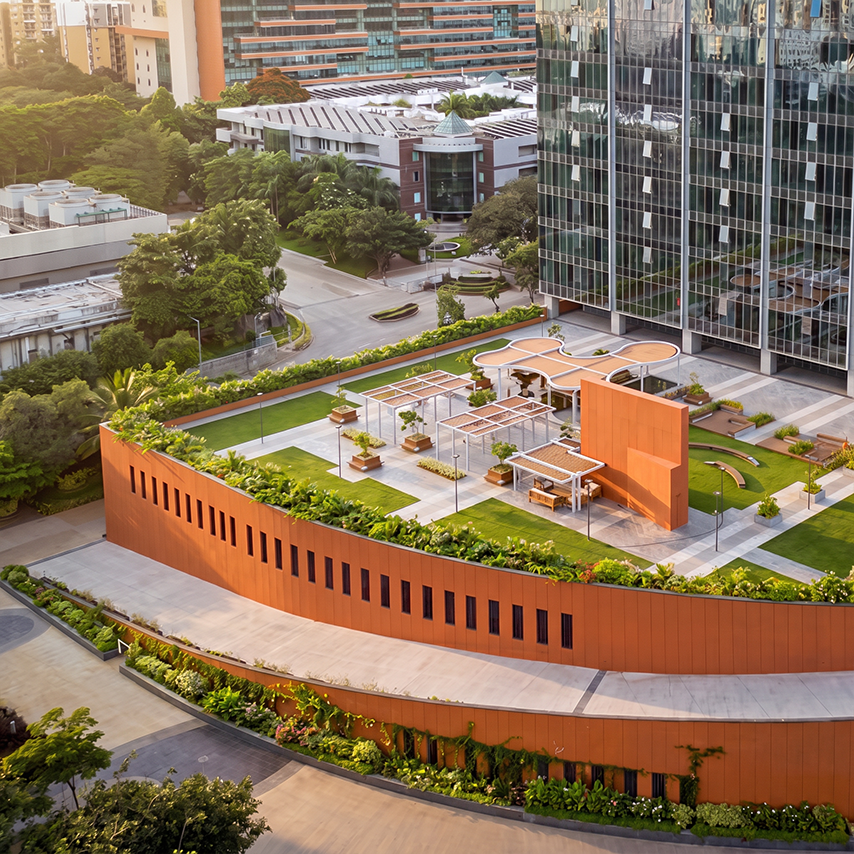
Mumbai’s Unique Architectural Challenges
Designing in Mumbai is unlike designing in most other Indian cities. Architects must respond to a unique combination of climatic, geographical, infrastructural, and urban planning constraints.
Some of the major design challenges include:
- High urban density
- Limited developable land
- Coastal climate
- Heavy monsoon rainfall
- Heat and humidity
- Rising energy demand
- Traffic congestion
- Redevelopment of ageing buildings
- Environmental regulations
Every successful project requires careful planning that addresses these challenges while delivering functional and commercially viable spaces.
Why Sustainability Has Become Essential
The construction industry significantly influences energy consumption, water usage, and carbon emissions. As Mumbai continues to urbanise, sustainable development has become an essential strategy for creating healthier cities.
This is why sustainable architects in Mumbai focus on designing buildings that minimise environmental impact throughout their lifecycle.
Their objectives include:
- Reducing energy consumption
- Conserving water resources
- Lowering operational costs
- Improving indoor environmental quality
- Enhancing occupant wellbeing
- Reducing construction waste
- Increasing climate resilience
- Supporting long-term asset value
Rather than treating sustainability as an additional feature, modern architects integrate it into every stage of design.
What Does an Architect Company in Mumbai Do?
An experienced architect company in Mumbai provides comprehensive design solutions that extend far beyond preparing building drawings.
Services generally include:
- Architectural design
- Master planning
- Urban planning
- Interior architecture
- Sustainable design consultancy
- Landscape coordination
- Construction documentation
- Project management support
- Building approvals
- Site supervision
By managing multiple aspects of the project, architectural firms ensure smoother execution and improved coordination between consultants and contractors.
Climate-Responsive Architecture for Mumbai
Mumbai’s tropical climate requires buildings that naturally respond to heat, humidity, and heavy rainfall.
Climate-responsive design strategies include:
Building Orientation
Positioning buildings correctly helps reduce heat gain while improving daylight access and ventilation.
Natural Ventilation
Cross-ventilation strategies reduce dependence on mechanical cooling and improve indoor comfort.
Solar Protection
Architects use shading devices, recessed windows, balconies, screens, and façade treatments to minimise direct solar heat.
Rainwater Management
Considering Mumbai’s intense monsoon season, projects increasingly integrate:
- Rainwater harvesting
- Permeable surfaces
- Stormwater drainage systems
- Landscape-based water management
These measures improve environmental performance while reducing pressure on urban infrastructure.
Sustainable Materials Are Changing Construction
Material selection plays a major role in reducing a building’s environmental footprint.
Leading architects increasingly specify:
- Recycled steel
- Low-carbon concrete
- Certified timber
- Fly ash bricks
- Low-VOC paints
- Recycled aluminium
- Sustainable flooring materials
Selecting environmentally responsible materials contributes to healthier buildings while lowering embodied carbon.
Smart Buildings for Modern Cities
Technology is transforming the way buildings are designed, operated, and maintained.
Modern developments increasingly incorporate:
- Building automation systems
- Smart lighting
- Energy monitoring
- Intelligent HVAC controls
- Occupancy sensors
- Solar energy integration
- Smart security systems
- Digital facility management
These technologies improve operational efficiency while enhancing user experience.
Designing Spaces That Promote Wellbeing
Architecture today focuses not only on sustainability but also on creating healthier environments for occupants.
Design features that improve wellbeing include:
- Access to natural daylight
- Indoor greenery
- Outdoor terraces
- Better air quality
- Flexible workspaces
- Acoustic comfort
- Open collaborative areas
- Biophilic design principles
These elements contribute to improved productivity, mental wellbeing, and overall quality of life.
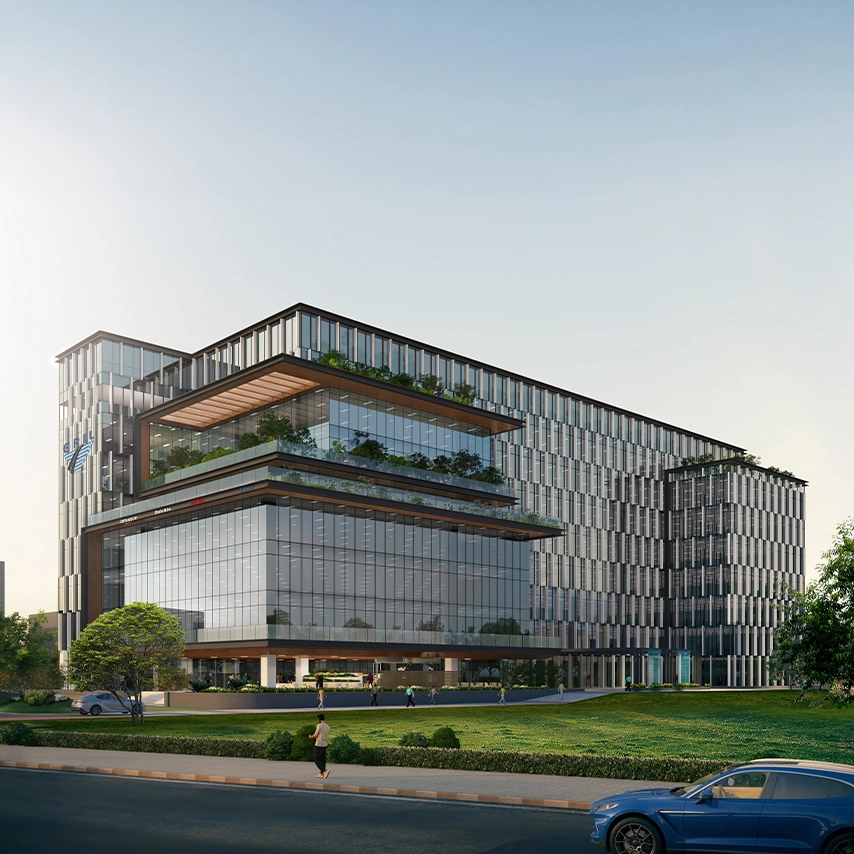
Why Multidisciplinary Design Matters
Modern projects require collaboration between multiple specialists.
Successful developments bring together:
- Architects
- Urban planners
- Structural engineers
- Landscape architects
- Sustainability consultants
- MEP engineers
- Interior designers
- Environmental specialists
A multidisciplinary approach ensures every aspect of the project is coordinated from the beginning, reducing design conflicts and improving project efficiency.
Future Trends in Mumbai Architecture
The city’s architectural landscape continues to evolve in response to environmental and technological changes.
Emerging trends include:
- Net-zero energy buildings
- Green-certified developments
- Adaptive reuse of existing structures
- Mixed-use urban communities
- Climate-resilient infrastructure
- Smart campuses
- Modular construction
- Wellness-focused workplaces
- Transit-oriented development
These trends are shaping the future of urban living across Mumbai.
Choosing the Right Architectural Partner
Selecting the right design firm is one of the most important decisions in any construction project.
When evaluating an architect company in Mumbai, consider:
- Experience across project types
- Sustainable design expertise
- Technical capabilities
- Innovation and research
- Local regulatory knowledge
- Construction support
- Integrated design approach
- Proven project portfolio
A firm with multidisciplinary expertise is better equipped to deliver projects that balance creativity, functionality, and long-term performance.
Conclusion
Mumbai’s rapid urban transformation demands architecture that responds intelligently to environmental challenges while enhancing the quality of urban life. Experienced sustainable architects in Mumbai are helping redefine the city’s skyline by creating buildings that consume fewer resources, perform more efficiently, and provide healthier spaces for people. At the same time, partnering with a forward-thinking architect company in Mumbai ensures every project benefits from integrated planning, technical expertise, and innovative design solutions. Through its commitment to sustainability, research-driven design, and multidisciplinary collaboration, Morphogenesis continues to shape resilient, future-ready environments that contribute meaningfully to Mumbai’s evolving urban landscape.