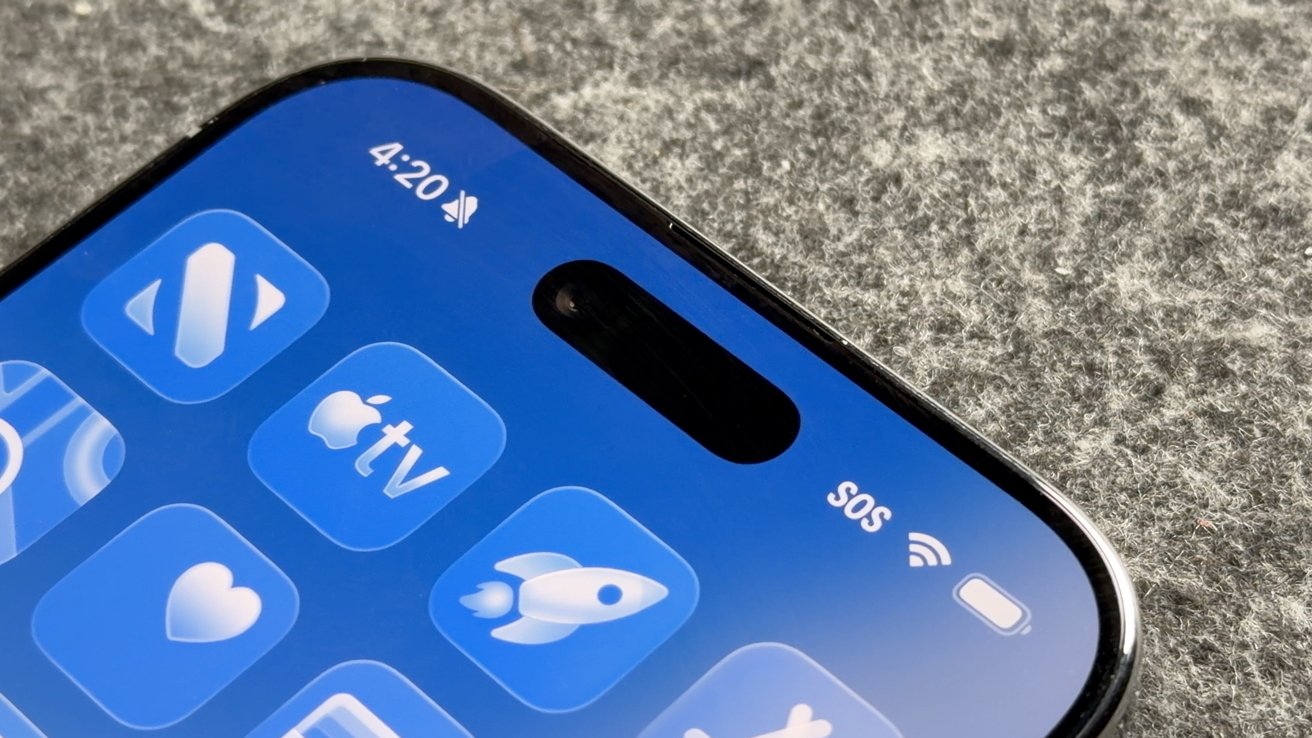
 In today’s competitive digital landscape, building high-performance, visually appealing, and scalable mobile applications is essential for businesses aiming to succeed in the iOS ecosystem. Apple has consistently refined its development tools, and two technologies stand out at the core of modern iPhone app development: Swift and SwiftUI. Together, they have transformed how developers design, build, and maintain applications.
Whether you’re exploring custom iphone app development services or evaluating the hire mobile app developers cost, understanding the role of Swift and SwiftUI will help you make better technical and business decisions.
Introduction to Swift and SwiftUI
What is Swift?
Swift is Apple’s powerful and intuitive programming language introduced in 2014. Designed to replace Objective-C, Swift offers a modern syntax, improved safety, and faster performance. It simplifies coding while reducing the chances of errors, making it ideal for both beginners and experienced developers.
What is SwiftUI?
SwiftUI, introduced in 2019, is Apple’s declarative UI framework. It allows developers to design user interfaces using a simple and readable syntax. Instead of manually updating UI elements, developers describe how the UI should look and behave, and SwiftUI handles the rest.
Why Swift is Essential for Modern iPhone App Development
1. Performance and Speed
Swift is built with performance in mind. It uses advanced compiler optimizations that allow apps to run faster and more efficiently. Compared to older languages, Swift ensures:
- Faster execution time
- Better memory management
- Improved app responsiveness
For businesses investing in custom iphone app development services, performance is a critical factor that directly impacts user satisfaction and retention.
2. Safety and Reliability
Swift eliminates entire categories of common coding errors. Features like:
- Optionals
- Type safety
- Automatic memory management
help developers write more secure and stable applications. This reduces bugs, crashes, and maintenance costs over time.
3. Developer Productivity
Swift’s clean and concise syntax allows developers to write less code while achieving more functionality. This leads to:
- Faster development cycles
- Easier debugging
- Lower development costs
If you’re calculating the hire mobile app developers cost, productivity gains with Swift can significantly reduce your overall budget.
4. Strong Ecosystem and Community
Swift is backed by Apple and has a rapidly growing developer community. It also integrates seamlessly with Apple frameworks like:
- Core Data
- ARKit
- CloudKit
This makes it easier to build feature-rich applications for various industries.
The Power of SwiftUI in UI/UX Design
1. Declarative Syntax
SwiftUI allows developers to define UI using a simple declarative approach:
Instead of writing complex instructions, developers describe the UI structure, and SwiftUI updates it automatically when data changes.
This results in:
- Cleaner code
- Faster UI development
- Easier maintenance
2. Real-Time Preview
One of SwiftUI’s standout features is its live preview capability. Developers can see UI changes instantly without running the full app.
Benefits include:
- Faster design iteration
- Improved collaboration between developers and designers
- Reduced development time
3. Cross-Device Compatibility
SwiftUI enables developers to build interfaces that work seamlessly across:
- iPhone
- iPad
- Apple Watch
- Mac
This unified approach is particularly valuable for businesses investing in scalable custom iphone app development services.
4. Built-In Animations
SwiftUI makes it easy to add smooth animations and transitions with minimal code. This enhances:
- User engagement
- Visual appeal
- Overall user experience
How Swift and SwiftUI Work Together
Swift acts as the foundation, handling logic, data processing, and backend communication. SwiftUI sits on top, managing the user interface.
Together, they create a powerful development environment where:
- Swift ensures performance and reliability
- SwiftUI simplifies UI design and interaction
This combination allows developers to build modern apps faster without compromising quality.
Benefits for Businesses
1. Faster Time to Market
Using Swift and SwiftUI, development teams can launch apps more quickly. This is crucial for businesses trying to:
- Enter competitive markets
- Test new ideas
- Respond to customer feedback
2. Cost Efficiency
While initial development costs may vary, the long-term savings are significant due to:
- Reduced maintenance
- Fewer bugs
- Faster updates
This directly impacts the hire mobile app developers cost, making projects more budget-friendly over time.
3. Enhanced User Experience
SwiftUI enables developers to create highly responsive and visually appealing interfaces. A better user experience leads to:
- Higher engagement
- Increased retention
- Improved brand reputation
4. Scalability and Future-Proofing
Apple continues to invest heavily in Swift and SwiftUI, ensuring they remain relevant for future development.
Businesses using these technologies benefit from:
- Long-term support
- Easier updates
- Compatibility with new Apple devices
Challenges to Consider
While Swift and SwiftUI offer numerous advantages, there are a few challenges:
1. Learning Curve
SwiftUI is relatively new compared to UIKit, and developers may need time to adapt.
2. Limited Backward Compatibility
SwiftUI works best on newer iOS versions, which may limit support for older devices.
3. Evolving Framework
Since SwiftUI is still evolving, some advanced features may require fallback to UIKit.
When to Choose Swift and SwiftUI
You should consider using Swift and SwiftUI if:
- You are building a new iOS app from scratch
- You want faster development cycles
- You prioritize modern UI/UX design
- You aim for long-term scalability
For businesses seeking custom iphone app development services, this combination is often the best choice for modern applications.
Impact on Hiring and Development Costs
The adoption of Swift and SwiftUI also influences hiring decisions and budgeting.
Developer Availability
- Swift developers are widely available
- SwiftUI expertise is growing rapidly
Cost Factors
The hire mobile app developers cost depends on:
- Developer experience
- Project complexity
- Geographic location
However, Swift and SwiftUI can reduce overall costs by:
- Speeding up development
- Minimizing maintenance
- Reducing technical debt
Future of Swift and SwiftUI
Apple continues to enhance both technologies with each iOS release. Key trends include:
- Improved AI and machine learning integration
- Better cross-platform capabilities
- Enhanced performance tools
SwiftUI is expected to eventually replace older UI frameworks, making it a crucial skill for developers and a strategic choice for businesses.
Conclusion
Swift and SwiftUI have redefined modern iPhone app development by combining performance, simplicity, and powerful design capabilities. Swift provides a robust and efficient programming foundation, while SwiftUI revolutionizes how user interfaces are built.
For businesses exploring custom iphone app development services, adopting these technologies ensures faster delivery, better performance, and a superior user experience. At the same time, understanding the hire mobile app developers cost becomes easier when you factor in the efficiency and long-term savings offered by Swift and SwiftUI.
In a rapidly evolving mobile landscape, choosing the right tools is essential and Swift with SwiftUI stands out as the ideal combination for building future-ready iOS applications.