Introduction
A firm, proportionate abdomen can be difficult to achieve through diet and exercise alone, particularly after pregnancy, significant weight changes, aging, or previous abdominal surgery. When loose skin, stubborn abdominal fat, or weakened abdominal muscles affect the appearance of the midsection, surgical body contouring may provide a more comprehensive solution. Tummy Tuck In Dubai is designed to address these concerns by removing excess skin and, when appropriate, tightening weakened abdominal muscles to create a smoother and firmer abdominal profile.
Unlike a weight-loss procedure, a tummy tuck focuses on contour refinement. The goal is to create results that complement the individual’s natural proportions rather than pursuing an unrealistic body shape. A personalized consultation with an experienced cosmetic surgeon is therefore an important part of determining whether the procedure is appropriate and which technique best suits the patient’s anatomy and aesthetic objectives.
How Personalized Abdominal Contouring Can Enhance Your Shape
Every patient’s abdominal concerns are different, which is why body contouring should be planned around individual goals. Some people primarily have excess lower-abdominal skin following weight loss, while others may have muscle separation or a combination of loose skin and localized fat. Abdominoplasty In Dubai can address several of these concerns during one carefully planned surgical procedure.
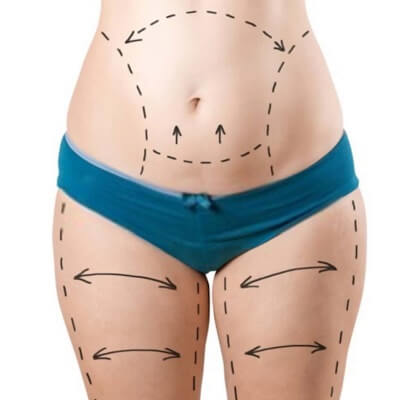
During abdominoplasty, excess skin and fat may be removed, while weakened or separated abdominal muscles can be repaired when clinically appropriate. The remaining skin is repositioned to create a smoother contour. The exact surgical approach depends on the amount and location of excess tissue, abdominal structure, previous surgeries, and the patient’s desired outcome.
The objective is not simply to make the abdomen smaller. Proper contouring considers the relationship between the abdomen, waist, hips, and overall body proportions. This individualized approach can help produce a more balanced appearance while maintaining realistic expectations about what surgery can achieve.
What to Expect From a Carefully Planned Surgical Approach
Tummy Tuck Surgery In Dubai generally begins with a detailed consultation and physical assessment. The surgeon evaluates skin elasticity, abdominal muscle condition, fat distribution, medical history, previous procedures, and expectations before recommending an appropriate technique.
A full abdominoplasty commonly involves an incision across the lower abdomen, removal of excess tissue, tightening or repair of abdominal muscles when required, and repositioning of the abdominal skin and belly button. In selected cases, a less extensive technique may be considered depending on the patient’s anatomy and the location of excess tissue.
Preparation may involve medical evaluation, laboratory testing, medication adjustments, and lifestyle recommendations. Patients may also be advised to stop smoking and avoid certain medications or supplements that can increase bleeding risk.
Because abdominoplasty is a surgical procedure, patients should understand potential complications before proceeding. These may include infection, bleeding, fluid accumulation, poor wound healing, changes in sensation, unfavorable scarring, asymmetry, blood clots, prolonged swelling, and the possibility of revision surgery.
Choosing an Experienced Specialist for Your Body Contouring Goals
Selecting the Best Tummy Tuck Surgeon In Dubai should involve more than looking at before-and-after photographs or promotional claims. Patients should consider the surgeon’s qualifications, surgical experience, approach to patient safety, understanding of body proportions, and ability to create an individualized treatment plan.
A consultation with Dr. Dragana Spica can provide an opportunity to discuss abdominal concerns, aesthetic goals, expected outcomes, and the most suitable treatment approach. A personalized assessment is essential because the ideal surgical plan differs from one patient to another. The surgeon should also explain realistic results, potential risks, expected scarring, recovery requirements, and postoperative care.
A good treatment decision is based on informed consent and realistic expectations. Tummy tuck surgery is generally considered for people who are physically healthy, at a stable weight, and bothered by excess abdominal skin or related contour concerns.
Recovery and Long-Term Results After Abdominoplasty
Recovery is an important part of the overall tummy tuck experience. Following surgery, dressings or a compression garment may be used to support the abdomen and minimize swelling. Temporary drains may also be placed to remove excess fluid when necessary. Patients receive individualized instructions regarding wound care, medication, activity, bathing, and follow-up appointments.
The early recovery period may involve swelling, bruising, tightness, discomfort, and temporary changes in sensation. Physical activity is gradually increased according to the surgeon’s instructions, while strenuous exercise and heavy lifting should be avoided until adequate healing has occurred. Recovery timelines vary according to the extent of surgery and individual healing.
The final contour does not become apparent immediately because swelling can temporarily obscure the outcome. As healing progresses, the abdomen generally develops a flatter and firmer appearance. Scars also continue to mature over time and can gradually become less noticeable.
Maintaining a stable weight and healthy lifestyle can help preserve the benefits of the procedure. Significant future weight fluctuations or pregnancy may alter the abdominal contour and affect long-term results.
Frequently Asked Questions About Tummy Tuck Treatment
Is a tummy tuck a weight-loss procedure?
No. A tummy tuck is primarily a body-contouring procedure rather than a method for losing substantial amounts of weight. It is intended to remove excess skin and improve abdominal contour, with muscle repair performed when appropriate. Patients are generally encouraged to reach a stable weight before surgery.
Can abdominoplasty address loose skin after pregnancy or weight loss?
Yes. Pregnancy and significant weight fluctuations are among the common reasons people develop loose or sagging abdominal skin. Abdominoplasty may remove excess skin and can address weakened abdominal muscles when appropriate.
Will tummy tuck surgery leave a scar?
Yes. A tummy tuck requires surgical incisions, so scarring is expected. The appearance and position of the scar depend on the surgical technique, individual healing, and other factors. Scars generally continue to mature and fade over many months.
How long does tummy tuck recovery take?
Recovery varies between individuals and depends on the extent of surgery. Patients typically need a period of restricted activity before gradually returning to normal routines. The surgeon provides specific guidance based on healing progress rather than applying one recovery timeline to everyone.
Are tummy tuck results permanent?
The removal of excess skin and surgical correction are intended to provide long-lasting results. However, substantial weight fluctuations, aging, or future pregnancy can change the abdominal contour. Maintaining a stable weight can help support the outcome.
Conclusion
Tummy Tuck In Dubai offers a personalized approach to improving abdominal contours when excess skin, localized tissue, or weakened muscles cannot be adequately addressed through lifestyle measures alone. With careful assessment, appropriate surgical planning, and attentive postoperative care, abdominoplasty can create a smoother, firmer, and more proportionate abdominal profile.
The most important step is choosing a qualified surgeon who prioritizes safety, individualized planning, and realistic expectations. With guidance from Dr. Dragana Spica, patients can explore whether tummy tuck surgery is appropriate for their anatomy and goals and develop a treatment plan centered on achieving natural-looking body-contouring results.