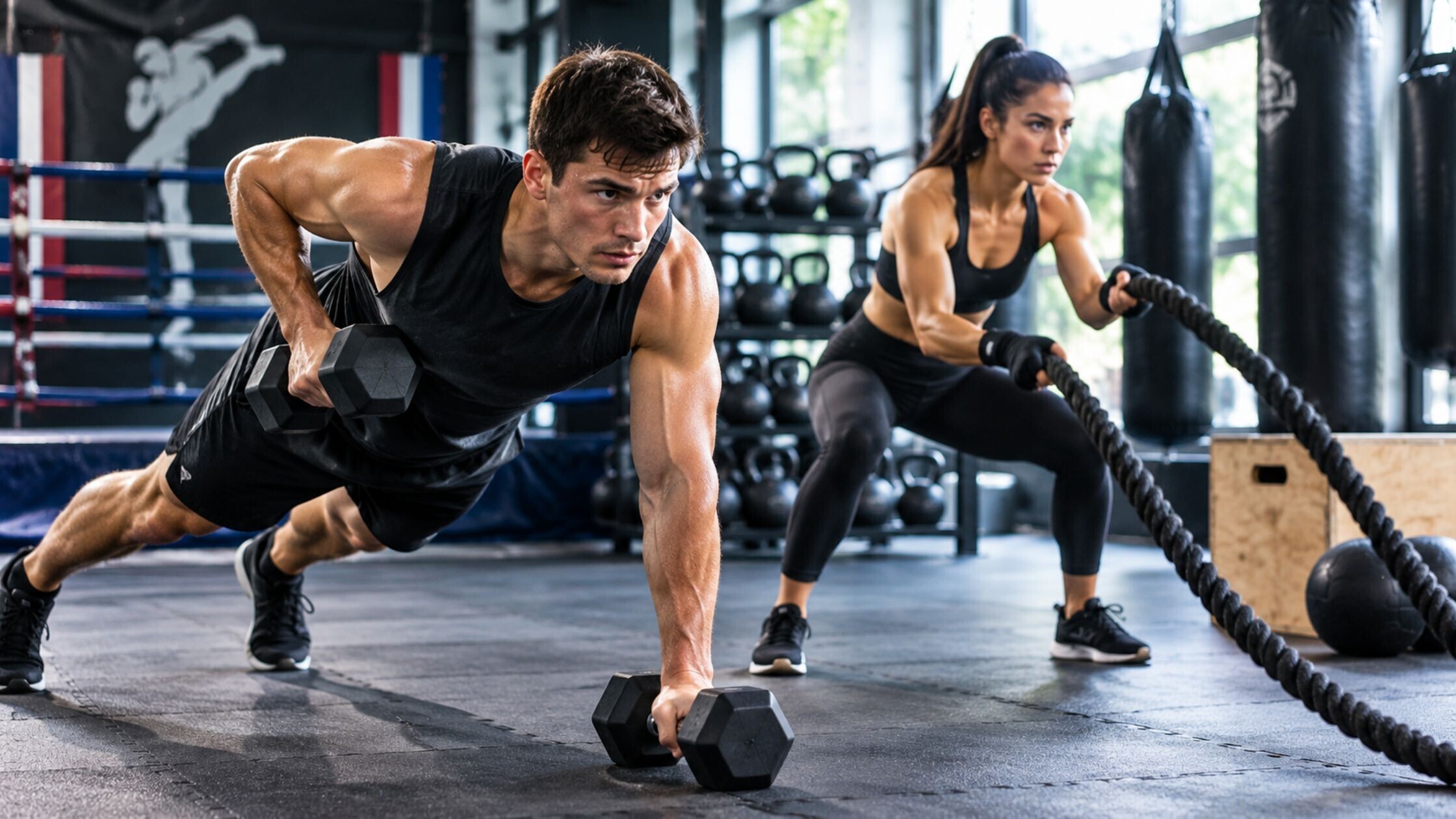
What happens when a fighter knows the right moves but gets tired too quickly? This is where strength and conditioning for fighters can make a big difference. Fight training teaches athletes how to punch, kick, block, and move. Physical training helps the body stay strong and active while doing those skills.
It can improve strength, speed, balance, stamina, and recovery. When both types of training work together, fighters can perform their skills better, train with more energy, and stay ready for each round without losing focus too quickly.
Why Physical Preparation Matters for Fighters?
Fighting asks the body to do many things at once. A fighter may need to punch, kick, move, block, turn, and change direction many times. Knowing the right technique is important, but using that technique becomes harder when the body gets tired. This is why physical training is an important part of fight preparation.
Good physical training helps fighters handle tough workouts while keeping better control of their movements. It can also help them become more prepared for the physical demands of training and competition.
The Main Benefits of Fighter Conditioning
A good training plan should help the fighter become stronger and fitter without making every workout extremely hard.
- Better stamina: Helps fighters stay active for longer.
- More strength: Helps the body produce force and stay stable.
- Better speed: Helps fighters move and react faster.
- Improved recovery: Helps the body get ready for the next effort.
- Better balance: Helps fighters stay steady while moving and striking.
- More energy for training: Helps athletes handle longer and harder sessions.
How Cardio Supports Fight Performance?
Cardio is important because fighting includes many short bursts of hard work. A fighter might throw several punches, move quickly, take a short break, and then start attacking again.
Thai Boxing cardio drills can help build this type of fitness. These drills may include punches, kicks, knees, footwork, shadow boxing, and timed rounds. They can make the heart and lungs work harder while also helping fighters practice useful movements.
However, doing more cardio is not always better. The workout should match the fighter’s age, fitness level, experience, and goals. Rest periods are also important.
Strength Training Has a Purpose
Strength training for fighters should have a clear goal. The aim is not simply to build very large muscles. It is to help the body become stronger, steadier, and better prepared for fighting movements.
Exercises for the legs, hips, stomach, back, arms, and grip can support many parts of training. Strong legs can help with balance and movement. A strong core can help the body stay steady when punching or kicking.
Strength and Conditioning for Fighters should support skill training. It should not make athletes so tired that they cannot practice their fighting skills properly.
Building a Smarter Training Week
Good results come from using different types of training and giving the body enough time to rest. Training as hard as possible every day can make a person very tired.
A Balanced Approach
A training week may include:
- Practice for punches, kicks, blocks, and movement
- Strength exercises for the whole body
- Cardio sessions for better stamina
- Stretching and mobility exercises
- Easy activities for recovery
- Enough sleep and rest
The right plan will be different for every athlete. Age, experience, fitness, goals, and training time should all be considered.
Final Statement
Fight skills are only one part of becoming a better fighter. Strength and conditioning for fighters can help build the strong physical base needed to use those skills when training becomes tough. Strength, cardio, balance, movement, and rest can all work together to support better performance.
The goal is not to make every workout exhausting. The goal is to help the body stay ready, strong, and focused so fighters can use their skills with confidence from the first round to the last.