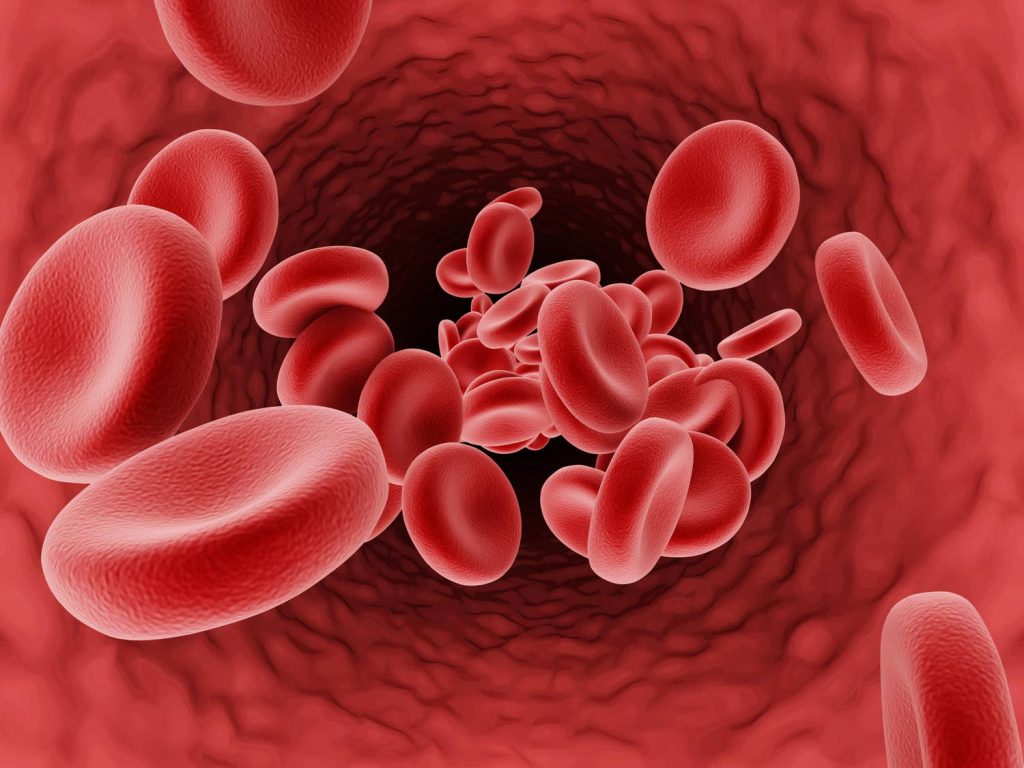
Anemia is a condition where the body does not have enough healthy red blood cells or hemoglobin to carry oxygen efficiently throughout the body. Because oxygen is essential for energy production and organ function, even mild imbalances can influence how a person feels on a daily basis.
In urban environments like Dubai, busy routines and lifestyle patterns can sometimes make early signs less noticeable, which is why awareness plays an important role in maintaining overall well-being. Anemia in Dubai is often discussed in health and wellness contexts due to increasing focus on preventive care and nutrition.
Why Symptoms Often Go Unnoticed
Many symptoms of anemia develop gradually. Because the body adapts over time, individuals may not immediately recognize changes in energy levels or physical performance. In many cases, these signs are mistaken for stress, lack of sleep, or a demanding lifestyle.
Common but Overlooked Symptoms of Anemia
Persistent Fatigue
One of the most commonly overlooked symptoms is ongoing fatigue. Individuals may feel tired even after a full night of rest. This happens because reduced oxygen delivery affects how efficiently the body produces energy.
This type of fatigue is often subtle at first, gradually becoming more noticeable over time.
Mild Shortness of Breath
Some individuals experience slight breathlessness during everyday activities such as walking, climbing stairs, or carrying light objects. Because this symptom can be mild, it is often ignored or attributed to fitness levels rather than underlying blood health.
Pale or Dull Skin Tone
Changes in skin tone, especially a paler appearance than usual, can be a subtle indicator. Since this change occurs slowly, it is often not immediately recognized.
The reduced hemoglobin levels in the blood can affect skin coloration, particularly in the face, lips, and nail beds.
Frequent Headaches
Headaches that occur more often than usual can be linked to reduced oxygen supply to the brain. These headaches may feel mild but recurring, making them easy to overlook or attribute to stress or screen time.
Difficulty Concentrating
Reduced oxygen flow can also affect cognitive function. Some individuals may notice difficulty focusing, slower thinking, or reduced mental clarity.
In busy work environments, this symptom is often mistaken for stress or lack of sleep rather than a nutritional imbalance.
Cold Hands and Feet
Poor circulation caused by reduced red blood cell levels can lead to cold extremities. This symptom may be more noticeable in air-conditioned environments, which are common in Dubai.
Heart Palpitations
Some individuals may experience a faster or irregular heartbeat, especially during physical activity. This occurs as the heart works harder to circulate oxygen throughout the body.
Subtle Lifestyle Changes Linked to Anemia
Reduced Physical Stamina
People may notice that they become tired more quickly during exercise or daily tasks. Activities that were previously easy may begin to feel more demanding.
Changes in Sleep Patterns
Anemia can sometimes affect sleep quality. Individuals may feel unrested even after sleeping for long hours.
Decreased Motivation
Low energy levels can influence mood and motivation, leading to reduced interest in physical or social activities.
Anemia Awareness in Dubai’s Lifestyle Context
Busy Urban Living
In fast-paced environments like Dubai, many individuals attribute early symptoms to workload, travel, or lack of rest. This makes it easier for mild anemia symptoms to go unnoticed.
Importance of Nutritional Balance
Diet plays an important role in maintaining healthy red blood cell production. A balanced intake of iron, vitamin B12, and folate supports overall energy levels and vitality.
Preventive Health Awareness
Growing awareness of wellness has encouraged more individuals to monitor their nutritional health and seek early evaluation when symptoms persist.
When to Consider Professional Evaluation
Persistent or Recurring Symptoms
If symptoms such as fatigue, dizziness, or concentration issues continue over time, it may be helpful to consider a professional assessment.
Personalized Health Assessment
Health professionals can evaluate symptoms in relation to lifestyle and dietary habits. This helps identify whether further nutritional support is needed.
In many cases, consultation with an Anemia Doctor in Dubai can help provide clarity and guide appropriate next steps based on individual needs.
Understanding Treatment Options
Once identified, anemia can often be managed through dietary adjustments, supplements, and lifestyle improvements. Anemia Treatment in Dubai typically focuses on restoring nutrient balance and supporting overall health.
Lifestyle Habits That Support Blood Health
Balanced Nutrition
A diet rich in iron, vitamins, and minerals supports healthy red blood cell production. Foods such as leafy greens, legumes, lean proteins, and fortified grains are commonly included in balanced meal plans.
Hydration and Energy Balance
Proper hydration supports circulation and overall bodily functions, contributing to improved energy levels.
Regular Physical Activity
Light to moderate exercise helps improve circulation and supports general vitality.
Conclusion
Anemia can develop gradually, and its early signs are often subtle enough to be mistaken for everyday fatigue or stress. Recognizing these less obvious symptoms is an important step in maintaining long-term well-being.
In the context of Anemia in Dubai, awareness is especially important due to fast-paced lifestyles that may mask early indicators. With proper attention to symptoms, nutritional balance, and timely evaluation, individuals can better manage their health.
Professional guidance, including consultation with an Anemia Doctor in Dubai, can support accurate assessment and appropriate care. Approaches such as Anemia Treatment in Dubai focus on restoring balance and improving overall quality of life.
For personalized support and health evaluation, individuals often turn to experienced professionals such as Dr. Barbara, who plays a role in guiding tailored wellness and nutritional strategies.