A fuller beard is often associated with confidence, style, and a more defined facial appearance, but many men struggle with slow, uneven, or limited facial hair growth. While beard growth products are widely available, advanced solutions such as Beard Transplant Riyadh provide a more targeted approach for men seeking long-term improvement in beard density. Understanding the differences between beard transplants and beard growth products can help individuals choose the option that best matches their goals, expectations, and facial hair concerns.
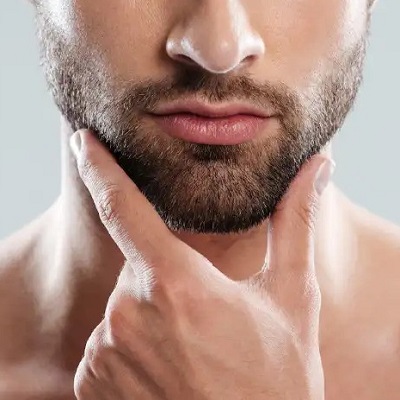
Understanding Beard Growth Products:
Beard growth products include a variety of topical solutions, supplements, oils, and grooming formulas designed to support facial hair development. These products are commonly marketed as ways to improve beard thickness and encourage healthier-looking hair. However, their effectiveness depends largely on individual factors such as genetics, existing hair follicles, and the underlying cause of limited beard growth.
Common types of beard growth products include:
- Beard oils designed to moisturize and condition existing facial hair
- Growth serums containing ingredients intended to support hair health
- Supplements that provide nutrients linked to hair growth
- Topical treatments aimed at stimulating facial hair activity
While these products may improve the appearance and condition of existing beard hair, they generally cannot create new hair follicles in areas where natural growth is absent.
How Beard Transplants Work:
A beard transplant is a cosmetic procedure that restores facial hair by transferring healthy hair follicles from a donor area to areas with insufficient beard growth. The process involves careful planning to create a beard shape that matches the individual’s facial structure and desired appearance.
During the procedure, specialists typically:
- Evaluate beard goals and facial features
- Select suitable donor hair follicles
- Extract individual grafts using advanced techniques
- Implant follicles into targeted beard areas
- Monitor healing and new hair growth development
Because the procedure uses the patient’s own hair follicles, the transplanted hair can grow naturally and can usually be trimmed, shaped, and styled like regular facial hair after recovery.
Beard Transplant vs Beard Growth Products: Key Differences:
The main difference between beard transplants and growth products is the way they address beard concerns. Products focus on improving the condition of existing hair, while transplantation introduces new follicles into areas where beard growth is limited.
Key differences include:
- Source of improvement: Growth products work with existing hair, while transplants add new hair follicles.
- Results: Products may provide temporary improvements, whereas transplants aim for long-lasting growth.
- Customization: Transplants allow personalized beard design, while products cannot control beard shape or placement.
- Suitability: Products may help maintain existing hair, while transplants are often considered for patchy or absent growth areas.
- Timeline: Products require consistent use, while transplant results develop gradually after the procedure.
Understanding these differences helps men decide which option aligns with their expectations.
Effectiveness of Beard Growth Products:
Beard growth products may benefit men who already have some facial hair growth but want to improve softness, appearance, or overall beard care. Regular grooming products can help maintain healthier-looking facial hair, but their ability to increase density varies.
Factors that influence product effectiveness include:
- Genetic ability to grow facial hair
- Presence of active hair follicles
- Consistency of product use
- Overall health and nutrition
- Quality of the chosen product
Men with naturally limited beard growth due to genetics may not experience significant changes because products cannot replace missing follicles.
Effectiveness of Beard Transplants:
A beard transplant provides a more direct approach for men who want to address areas where facial hair growth is naturally limited. By transferring healthy follicles into targeted areas, the procedure can create a fuller beard appearance based on individual preferences.
Benefits of beard transplantation include:
- Natural-looking facial hair growth
- Permanent placement of transplanted follicles
- Customized beard shape and density
- Ability to fill patchy areas
- Improved facial balance and definition
The success of the procedure depends on factors such as donor hair quality, specialist expertise, and proper aftercare.
Comparing Results and Long-Term Outcomes:
When comparing long-term outcomes, beard transplants generally offer more noticeable and lasting results because they address the absence of hair follicles directly. Growth products may support existing facial hair but usually require continued use to maintain any visible effects.
A comparison of outcomes:
| Feature | Beard Growth Products | Beard Transplant |
|---|---|---|
| Main Purpose | Improve existing beard condition | Restore missing beard areas |
| Results | Vary depending on individual response | Designed for long-term improvement |
| Hair Follicles Added | No | Yes |
| Beard Design Control | Limited | Highly customizable |
| Maintenance | Regular product application | Normal beard grooming after recovery |
Both options may have value, but the ideal choice depends on whether the concern is beard quality or lack of facial hair growth.
Who May Benefit More From a Beard Transplant:
Men experiencing significant beard gaps or areas with no natural growth may find transplantation more suitable than topical products. A consultation helps determine whether enough donor hair is available and whether the procedure can achieve the desired outcome.
A beard transplant may be considered by men who:
- Have patchy or uneven beard growth
- Want a fuller beard appearance
- Have scars affecting facial hair growth
- Prefer a permanent solution
- Want to customize beard shape and density
The procedure is especially useful for individuals who have tried multiple growth products without achieving their desired results.
Factors to Consider Before Choosing an Option:
Before deciding between a beard transplant and beard growth products, men should consider their expectations, budget, timeline, and the reason behind their beard concerns.
Important considerations include:
- Whether hair follicles are naturally present in the desired areas
- Desired level of beard improvement
- Long-term goals
- Commitment to ongoing product use
- Availability of suitable donor hair
A professional consultation can provide guidance based on individual facial hair patterns and treatment goals.
Recovery and Maintenance After Treatment:
Maintenance requirements differ between the two options. Beard growth products usually require ongoing application as part of a regular grooming routine. In comparison, transplanted hair requires special care during the healing period but can eventually be maintained like normal beard hair.
After a beard transplant, recommended care may include:
- Following specialist aftercare instructions
- Avoiding irritation during early healing
- Protecting the treated area
- Allowing time for natural growth cycles
- Maintaining healthy grooming habits
Understanding the recovery process helps patients prepare for gradual and natural-looking results.
Final Thoughts:
Choosing between beard growth products and a beard transplant depends on the type of improvement a person wants to achieve. Growth products may help maintain and improve existing facial hair, but they cannot replace missing follicles. A beard transplant offers a more permanent approach for men seeking greater density, customized beard design, and natural growth. With proper evaluation and expert care, Beard Transplant Riyadh can be an effective option for those looking to achieve a fuller and more defined beard appearance.