Living with a chronic illness requires ongoing medical attention, lifestyle adjustments, and consistent monitoring to prevent complications. Conditions such as diabetes, heart disease, chronic obstructive pulmonary disease (COPD), hypertension, kidney disease, and neurological disorders often demand long-term care that extends beyond routine doctor visits. This is where home health skilled nursing becomes an essential part of modern healthcare. By providing professional medical services in the comfort of a patient’s home, skilled nurses help individuals manage chronic conditions more effectively while improving their quality of life. Personalized care plans, regular health assessments, and patient education all work together to support better long-term health outcomes.
As healthcare continues to focus on patient-centered treatment, home-based skilled nursing has become a preferred option for many families. Patients receive expert medical care without the stress of frequent hospital visits, allowing them to remain in familiar surroundings while maintaining greater independence. A trusted home health care agency coordinates skilled nursing services with physicians and other healthcare professionals to ensure comprehensive and continuous care. This guide explores how home health skilled nursing supports chronic disease management, improves patient outcomes, and helps families navigate long-term healthcare needs.
Understanding Home Health Skilled Nursing
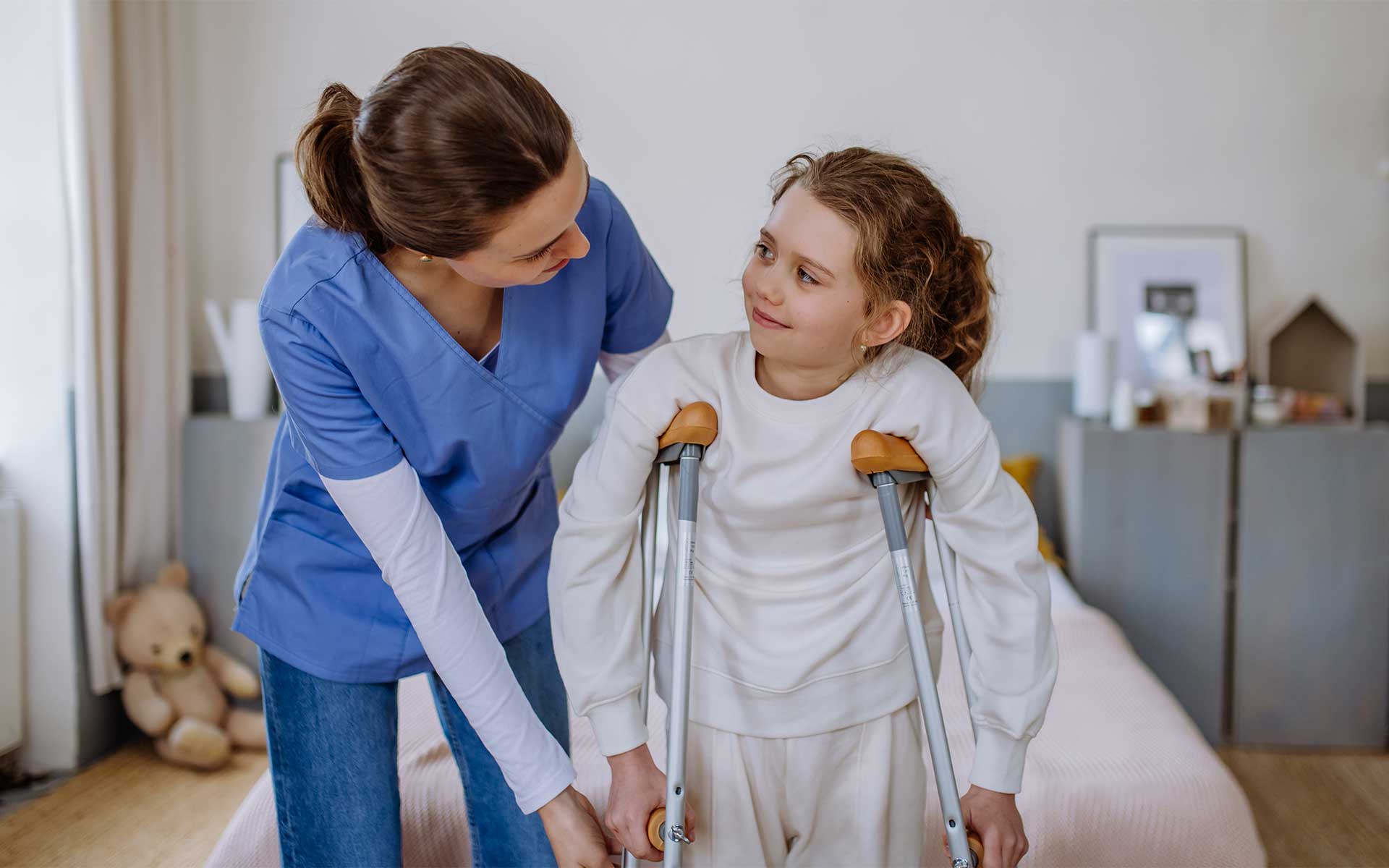
Home health skilled nursing is a specialized medical service provided by licensed registered nurses or licensed practical nurses in a patient’s home. Unlike non-medical caregiving, skilled nursing involves professional healthcare services that require clinical expertise, physician oversight, and individualized treatment plans. Nurses monitor chronic illnesses, administer medications, perform health assessments, manage wounds, educate patients, and coordinate care with healthcare providers. Every service is designed to meet the specific medical needs of the individual. The primary goal is to help patients maintain stable health while reducing the risk of complications.
Patients living with chronic diseases often require regular monitoring to ensure treatments remain effective and health conditions do not worsen. Skilled nurses evaluate vital signs, monitor symptoms, review medications, and identify early warning signs that may require medical intervention. This proactive approach allows healthcare providers to address concerns before they become emergencies. Early intervention is one of the most effective ways to prevent avoidable hospital admissions. Continuous medical supervision creates a safer recovery and management process.
Receiving skilled nursing at home also offers emotional and practical benefits. Patients remain in familiar surroundings where they feel comfortable, reducing stress that can negatively affect chronic health conditions. Family members can actively participate in care while receiving guidance from experienced healthcare professionals. This collaborative approach strengthens communication and supports better treatment adherence. Personalized home care contributes to improved patient satisfaction and long-term wellness.
The Importance of Managing Chronic Diseases at Home
Chronic diseases are long-term health conditions that require continuous monitoring rather than one-time treatment. Without consistent management, these conditions may gradually worsen, increasing the likelihood of emergency hospital visits and declining quality of life. Home health skilled nursing provides regular medical supervision that helps patients maintain stable health while minimizing preventable complications. Ongoing assessments allow nurses to detect subtle changes that might otherwise go unnoticed. Early action often prevents more serious medical problems.
Managing chronic illnesses at home also encourages patients to become active participants in their own healthcare. Skilled nurses educate individuals about medications, nutrition, hydration, exercise, symptom monitoring, and healthy lifestyle choices tailored to their specific condition. This education improves confidence while helping patients understand how daily habits affect long-term health. Better self-management supports improved treatment outcomes and greater independence. Knowledge empowers patients to make healthier decisions every day.
Home-based care also reduces the burden of frequent travel to medical facilities, particularly for seniors and individuals with limited mobility. Receiving healthcare at home minimizes physical strain while reducing exposure to illnesses commonly found in hospitals and clinics. Patients can focus on recovery and disease management without disrupting their daily routines. This convenience contributes to higher treatment adherence and greater overall comfort. Consistent care becomes easier when delivered in familiar surroundings.
How Skilled Nurses Support Chronic Disease Management
One of the most valuable aspects of home health skilled nursing is ongoing health monitoring. Skilled nurses regularly evaluate vital signs, blood sugar levels, blood pressure, respiratory status, weight changes, and other important health indicators based on the patient’s condition. These assessments help identify early signs of worsening disease before symptoms become severe. Timely communication with physicians allows treatment plans to be adjusted quickly. Continuous monitoring significantly reduces the risk of preventable complications.
Medication management is another essential responsibility of skilled nurses caring for patients with chronic illnesses. Many individuals take multiple medications each day, making it easy to miss doses or accidentally take incorrect amounts. Nurses review prescriptions, educate patients about proper medication schedules, monitor for side effects, and identify potential drug interactions. Proper medication management improves treatment effectiveness while reducing medication-related health risks. Organized medication routines contribute to long-term stability.
Skilled nurses also provide emotional support and practical guidance throughout the management of chronic diseases. Living with long-term health conditions can create anxiety, frustration, or uncertainty for both patients and caregivers. Nurses answer questions, explain treatment recommendations, and encourage healthy coping strategies during every stage of care. Their consistent presence builds trust while helping families feel supported. Compassionate nursing care addresses both physical and emotional health needs.
Common Chronic Conditions Treated Through Skilled Nursing
Patients living with diabetes often benefit greatly from home-based skilled nursing because proper disease management requires ongoing monitoring and education. Nurses assess blood glucose levels, evaluate foot health, review medications, and educate patients about nutrition and lifestyle changes that support stable blood sugar control. They also identify warning signs of complications before serious problems develop. Early intervention reduces hospitalizations and improves long-term health. Consistent diabetes management promotes safer daily living.
Heart disease and congestive heart failure are other conditions commonly managed through skilled nursing services. Nurses monitor blood pressure, heart rate, fluid retention, breathing patterns, and medication effectiveness while educating patients about sodium intake, exercise, and symptom recognition. Careful observation helps detect worsening heart conditions before emergency treatment becomes necessary. Ongoing monitoring contributes to improved cardiovascular health. Regular nursing visits provide reassurance throughout treatment.
Patients with chronic respiratory diseases such as COPD or asthma also benefit from professional nursing care delivered at home. Skilled nurses monitor oxygen levels, breathing patterns, medication adherence, and respiratory symptoms while teaching proper inhaler use and breathing exercises. Education empowers patients to recognize early warning signs and respond appropriately. Better disease management improves both comfort and quality of life. Personalized care supports healthier long-term outcomes.
The Role of Patient and Family Education
Education is one of the most effective tools for managing chronic illnesses successfully. Skilled nurses spend time teaching patients how to understand their condition, follow treatment plans, recognize symptoms, and make informed healthcare decisions. Rather than simply providing medical care, nurses empower individuals to participate actively in their own recovery and disease management. Better understanding leads to greater treatment compliance and improved health outcomes. Education creates lasting benefits beyond each nursing visit.
Family members also receive valuable instruction that strengthens their ability to provide safe and effective support. Nurses explain medication schedules, nutrition guidelines, mobility assistance, symptom monitoring, and emergency response procedures according to each patient’s medical needs. Caregivers gain confidence while learning practical skills that improve daily care. Well-informed families contribute significantly to preventing avoidable health complications. Education reduces uncertainty and caregiver stress.
Effective communication between nurses, physicians, patients, and families ensures everyone works toward shared healthcare goals. Regular updates regarding patient progress allow treatment plans to evolve according to changing medical conditions. Open communication builds trust while improving continuity of care. Collaborative healthcare creates stronger support systems for individuals managing chronic illnesses. Teamwork remains essential for long-term success.
Choosing the Right Home Health Care Agency
Selecting an experienced home health care agency is one of the most important decisions families can make when arranging long-term healthcare. Reputable agencies employ licensed nurses with experience managing complex chronic conditions while maintaining strong communication with physicians and specialists. Professional qualifications, accreditation, and positive patient reviews demonstrate a commitment to quality healthcare. Experienced providers create individualized care plans tailored to each patient’s medical needs. Choosing qualified professionals improves both safety and treatment outcomes.
Families should ask detailed questions regarding available services, scheduling flexibility, emergency response procedures, and methods of communication with healthcare providers. Reliable agencies maintain transparency while encouraging family involvement throughout treatment. Understanding how care plans are developed and reviewed helps families evaluate whether services match current and future healthcare needs. Personalized care should always remain the foundation of every treatment plan. Good communication strengthens confidence in healthcare decisions.
A comprehensive home health care agency often provides more than skilled nursing alone. Access to physical therapy, occupational therapy, speech therapy, medical social work, wound care, and chronic disease education creates coordinated healthcare that addresses every aspect of patient well-being. Integrated services improve communication between healthcare professionals while simplifying treatment for families. Comprehensive care supports healthier long-term outcomes. Selecting a provider with broad clinical expertise offers lasting value.
Preventing Hospital Readmissions Through Skilled Nursing
One of the primary goals of home health skilled nursing is reducing unnecessary hospital readmissions by identifying medical concerns early. Regular nursing assessments allow healthcare professionals to recognize subtle changes in a patient’s condition before they develop into serious complications. Prompt communication with physicians often results in treatment adjustments that prevent emergency hospitalization. Preventive care remains one of the greatest strengths of skilled nursing services. Early intervention improves patient safety while lowering healthcare costs.
Medication errors are another common reason patients return to the hospital after discharge. Skilled nurses carefully review medications, verify dosage schedules, monitor side effects, and ensure patients understand their treatment plans. Consistent medication management reduces avoidable complications while improving treatment effectiveness. Organized care creates safer recovery experiences. Accurate medication use remains essential for chronic disease stability.
Patients recovering at home also receive continuous encouragement to follow healthy routines that support long-term wellness. Nurses reinforce physician recommendations regarding nutrition, hydration, exercise, sleep, and symptom monitoring during every visit. These healthy habits contribute to stronger immune function, improved recovery, and better chronic disease control. Consistency helps patients achieve lasting health improvements. Preventive healthcare remains the cornerstone of successful disease management.
Conclusion
Home health skilled nursing plays a critical role in helping patients successfully manage chronic illnesses while remaining in the comfort of their own homes. Through personalized medical care, ongoing health assessments, medication management, patient education, and close coordination with physicians, skilled nurses help reduce complications, improve quality of life, and prevent unnecessary hospital readmissions. Partnering with a trusted home health care agency ensures patients receive compassionate, evidence-based care tailored to their unique healthcare needs. As chronic diseases continue to affect millions of individuals, professional home-based skilled nursing offers a safe, effective, and patient-centered solution that supports healthier living, greater independence, and long-term well-being.