Victorian terraces across London wear chimneys that have survived a century of soot rain and shifting weather. Homeowners forget these stacks even exist until trouble forces their eyes upward. A hairline crack creeps along old brickwork while nobody bothers to look. Smoke seeps into a bedroom instead of climbing toward the sky. These small warnings often mean the stack craves professional attention before winter turns a nuisance into a genuine disaster. Catching trouble early spares both cash and safety down the line.
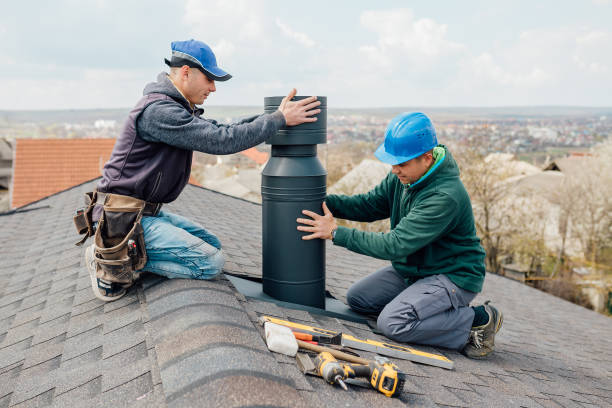
Why Does a Chimney Deserve Regular Attention in the First Place?
A chimney funnels smoke gas and heat away from the rooms below every time a fire crackles. Rain frost and pollution chew through mortar and brick far quicker than most people assume. London’s damp climate accelerates this decay especially inside older homes built before waterproofing became standard practice. Ignoring a small crack or a loose brick lets moisture creep deeper into the structure. That dampness eventually threatens the whole chimney’s backbone rather than just its outer shell.
What Does Crumbling Brickwork Actually Reveal to a Homeowner?
Bricks that flake crack or shed fragments onto the roof rarely mend themselves with time. Frost sneaks into tiny gaps during winter then swells as ice widening each crack a bit further. A neglected stack after several harsh winters ends up frail near the crown. Falling debris also threatens anyone strolling below during a storm. Noticing loose or crumbling brick early keeps a repair modest instead of ballooning into a total rebuild.
Why Does Smoke Inside the House Signal a Serious Problem?
A healthy chimney draws smoke straight upward and away from a room without fail. Smoke curling back into a living space usually points toward a blockage or a fracture somewhere along the flue. Bird nests fallen debris or a cracked liner can each interrupt that upward pull. Beyond the obvious stench and mess this glitch carries a hidden danger since carbon monoxide can trace the same blocked path back into the home. A brief inspection often unmasks the culprit before a minor irritation morphs into a health hazard.
What Role Does a Damaged Chimney Cap Play in Bigger Problems?
A cap perches atop a stack blocking rain birds and debris from tumbling straight down the flue. A cracked or missing cap invites water directly into the chimney during every London downpour. That water then burrows into brick and mortar triggering the same freeze thaw damage mentioned earlier but at a swifter pace. A homeowner who spots a missing or bent cap should treat the sight as an early alarm rather than a cosmetic quirk since the damage beneath often runs far deeper than surface glance suggests.
Does Chimney Repair London Cost More the Longer a Problem Sits Untreated?
A small crack patched early costs a sliver of what a full rebuild demands later. Water damage that reaches the interior flue lining often forces a complete liner swap rather than a simple patch. Structural wobble near the chimney’s base sometimes threatens the roof itself if nobody addresses it for years. Delay rarely saves cash in these cases since decay spreads underground and out of sight long before cracks surface where eyes can catch them.
How Does Weather Across the City Speed Up Chimney Damage?
Rain falls across London on more days than not throughout a typical year and that constant moisture gives brickwork scant chance to dry fully. Freezing spells during winter turn trapped water into ice which expands and splits mortar joints across repeated seasons. Pollution from decades of city traffic gnaws at stone and brick surfaces at a pace rural chimneys seldom face. These combined forces explain why urban stacks often demand attention sooner than their age alone would suggest.
When Should a Homeowner Call a Professional Instead of Waiting?
A vertical crack running along the stack deserves swift attention rather than a wait and see stance. A leaning chimney or one visibly pulling away from the roofline signals a structural snag beyond mere cosmetic fixing. A smoke smell inside the house without an obvious source also warrants a prompt inspection. Waiting through yet another soggy season rarely helps and often turns a modest repair bill into a hefty one once genuine structural damage takes hold.
Final Thoughts
A chimney seldom announces trouble through a dramatic collapse out of the blue. A small crack a battered cap or smoke drifting into a room each serve as quiet alarms first. Booking Chimney Repair London at the earliest hint of trouble keeps both cost and risk far lower than stalling until winter forces an emergency scramble. Watch the brickwork closely. Trust your nose the moment smoke smell lingers indoors. A stack tended early keeps a home secure through every London season that follows.
FAQs
How often should a chimney get inspected in London?
Most professionals suggest a yearly check especially before winter given the city’s damp and freezing conditions.
Can a cracked chimney cap really cause serious damage over time?
Yes. Water entering through a battered cap speeds up freeze thaw cracking throughout the entire structure below.
Is smoke drifting into the house always a sign of a blockage?
Usually yes though a cracked liner or fracture along the flue can also send smoke into a room.
Does older Victorian brickwork need more frequent repair than newer homes?
Generally yes since decades of exposure to rain frost and pollution wear down old mortar faster than modern materials.
How much does delaying repair typically add to the final cost?
Delayed repairs often turn a simple patch job into a full liner swap or structural rebuild costing far more overall.