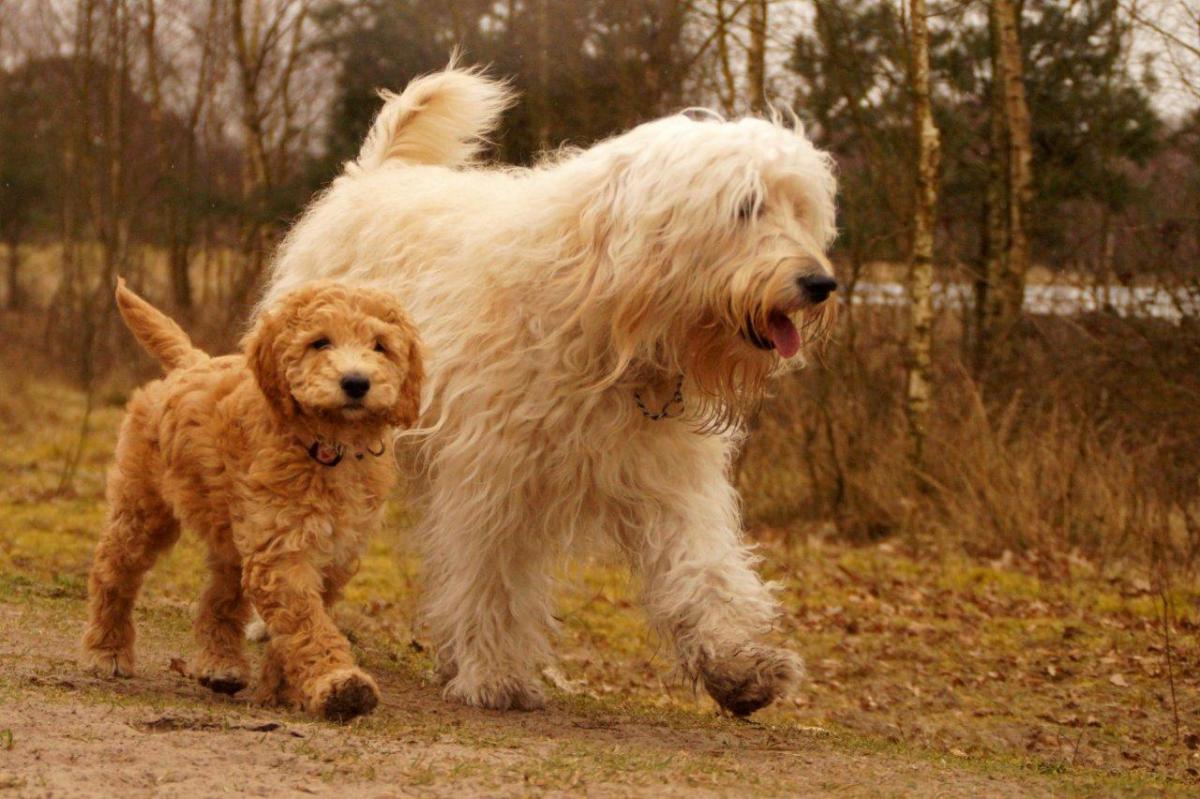
A well-trained dog brings joy, confidence, and harmony to any home. Goldendoodles are known for their intelligence, friendly nature, and eagerness to learn, making them one of the easiest breeds to train. Many families searching for a Goldendoodle oklahoma companion want to know how to build good habits from the beginning. The right training methods help strengthen trust, improve behavior, and create a positive relationship that lasts for years.
Why Goldendoodles Respond Well to Training
A Goldendoodle combines the intelligence of a Poodle with the friendly personality of a Golden Retriever. This mix creates a dog that enjoys learning new tasks and spending time with people. Most Goldendoodles are naturally motivated by praise, treats, and interactive play.
Their strong desire to please makes training sessions productive and enjoyable. Owners often notice that their dogs quickly understand commands when lessons remain consistent and rewarding. Early guidance helps channel their energy into positive behaviors rather than unwanted habits.
Start Training as Early as Possible
Puppies absorb information quickly during their first months of life. Early training introduces structure and teaches acceptable behavior before bad habits develop. Even simple lessons can make a significant difference in future obedience.
Basic skills such as responding to their name, sitting calmly, and walking on a leash should begin shortly after the puppy arrives home. Short daily sessions help young dogs stay focused while building confidence and understanding.
Focus on Simple Commands First
Teaching basic commands creates a strong foundation for future learning. Dogs that master simple instructions often progress more easily to advanced skills. Consistency remains the key to success throughout the process.
Common starter commands include:
- Sit
- Stay
- Come
- Down
- Leave it
- Heel
These commands improve safety and make daily interactions more manageable for both the owner and the dog.
Use Positive Reinforcement Techniques
Positive reinforcement is widely considered one of the most effective training methods for a Goldendoodle. This approach rewards desired behavior instead of punishing mistakes. Rewards help dogs associate good actions with positive outcomes.
Treats, praise, toys, and affection can all serve as effective rewards. Every time a dog follows a command correctly, immediate reinforcement strengthens the connection between the action and the reward. This method encourages learning while maintaining trust and enthusiasm.
Timing Matters During Rewards
Dogs learn best when rewards arrive immediately after the desired behavior. Delayed rewards can create confusion because the dog may not understand what action earned the reward.
For example, giving a treat the moment a puppy sits helps reinforce the command. Waiting several seconds may weaken the learning process. Quick feedback improves clarity and accelerates progress.
Keep Training Sessions Short and Fun
Many owners make the mistake of extending training sessions for too long. Goldendoodles enjoy learning, but their attention span still has limits, especially during puppyhood. Long sessions may lead to boredom or frustration.
Short sessions lasting five to fifteen minutes often produce the best results. Several brief lessons throughout the day are usually more effective than one extended training period. Ending on a positive note keeps the dog excited for future sessions.
Consistency Creates Better Results
Consistency helps dogs understand expectations clearly. Mixed messages can confuse even highly intelligent breeds. Every family member should use the same commands and rules whenever possible.
For instance, one person should not allow jumping on guests while another discourages it. Consistent expectations reduce confusion and help the dog learn more quickly. Clear boundaries create a stable environment where good behavior becomes routine.
Establish Household Rules Early
House rules provide structure and prevent unwanted habits from becoming permanent. Owners should decide what behaviors are acceptable from the beginning.
Rules may include furniture access, feeding schedules, sleeping arrangements, and greeting behavior. Establishing these guidelines early helps the dog adapt smoothly to family life and daily routines.
Socialization Is an Essential Part of Training
Training involves more than teaching commands. Socialization helps a Goldendoodle become comfortable around people, animals, and new environments. Proper exposure reduces fear and encourages balanced behavior.
Introducing puppies to different sounds, surfaces, locations, and situations helps build confidence. Positive experiences during early development can prevent anxiety and behavioral issues later in life.
Introduce New Experiences Gradually
Gradual exposure allows puppies to process unfamiliar situations without becoming overwhelmed. Controlled introductions help create positive associations with new experiences.
Visits to parks, pet-friendly stores, neighborhood walks, and supervised interactions with other dogs provide valuable learning opportunities. Each experience helps develop a confident and adaptable companion.
Crate Training Builds Good Habits
Crate training offers numerous benefits when used correctly. A crate provides a safe and comfortable space where the dog can relax and rest. Many dogs naturally view their crate as a personal retreat.
Crates also assist with house training because dogs generally avoid soiling their sleeping area. Gradual introduction and positive reinforcement help the dog develop a healthy relationship with the crate.
Avoid Using the Crate as Punishment
The crate should always remain a positive environment. Using it as punishment may create fear and resistance. Dogs should willingly enter their crate because they associate it with comfort and security.
Owners can encourage positive feelings by offering treats, toys, and praise whenever the dog enters the crate voluntarily. This approach builds trust and encourages cooperation.
Effective House Training Strategies
House training requires patience, consistency, and careful observation. Most Goldendoodles learn quickly when owners establish predictable routines. Frequent bathroom breaks help reduce accidents and support success.
Puppies should be taken outside after meals, naps, play sessions, and periods of confinement. Rewarding successful outdoor elimination helps reinforce the desired behavior and accelerates learning.
Watch for Signs Your Puppy Needs a Break
Recognizing early signals can prevent indoor accidents. Puppies often display specific behaviors before needing to relieve themselves.
Common signs include pacing, sniffing the floor, circling, whining, or moving toward the door. Quick action when these signs appear helps reinforce proper bathroom habits and builds reliability.
Teaching Leash Manners
Walking politely on a leash improves safety and makes daily outings more enjoyable. Many Goldendoodles become excited during walks, especially when they encounter new sights and smells. Proper leash training teaches self-control and focus.
Owners should reward calm walking and stop moving whenever pulling occurs. This method teaches the dog that pulling does not lead to progress. Consistent practice helps create pleasant walking experiences.
Addressing Common Behavioral Challenges
Even well-behaved Goldendoodles may develop unwanted behaviors if training is inconsistent. Jumping, chewing, barking, and excessive excitement are among the most common concerns reported by owners.
Identifying the cause of the behavior often leads to effective solutions. Boredom, lack of exercise, insufficient mental stimulation, or inconsistent rules can contribute to many behavioral problems.
Redirect Unwanted Behaviors
Redirection works well for many common challenges. Instead of focusing on punishment, owners guide the dog toward a more appropriate behavior. This approach helps maintain a positive learning environment.
For example, offering a chew toy instead of allowing furniture chewing teaches the dog what is acceptable. Redirecting energy toward constructive activities promotes long-term success.
Mental Stimulation Enhances Training Success
Physical exercise alone does not satisfy a Goldendoodle’s needs. These intelligent dogs thrive when given opportunities to think, solve problems, and learn new skills. Mental stimulation reduces boredom and supports good behavior.
Puzzle toys, scent games, obedience exercises, and trick training all provide valuable enrichment. Engaging the dog’s mind strengthens learning abilities and improves overall responsiveness.
Teach Advanced Skills Over Time
Advanced training keeps learning interesting and builds confidence. Once basic obedience becomes reliable, owners can introduce more challenging activities.
Skills such as retrieving objects, agility exercises, advanced recall, and complex tricks provide excellent mental workouts. Continued learning helps maintain focus and strengthens the bond between dog and owner.
The Importance of Patience During Training
Every dog learns at a different pace. Some commands may take only a few repetitions, while others require weeks of practice. Patience allows the dog to develop skills without unnecessary pressure.
Mistakes are a normal part of learning. Remaining calm and consistent helps maintain trust while encouraging progress. A positive attitude often leads to better results than frustration or harsh corrections.
Working With Professional Trainers
Professional trainers can provide valuable guidance when owners encounter challenges. Group classes and private lessons offer structured learning opportunities and expert support. Many dogs benefit from the added socialization and controlled practice environments.
Training professionals can identify specific areas that need improvement and create customized plans for success. Early intervention often prevents small issues from becoming larger behavioral concerns.
Building a Lifelong Training Routine
Training should continue throughout the dog’s life rather than ending after puppyhood. Regular practice reinforces learned behaviors and keeps skills sharp. Ongoing learning also provides valuable mental stimulation.
Simple daily exercises such as recall practice, obedience reviews, and interactive games help maintain consistency. Continued training strengthens communication and keeps the dog engaged for years to come.
Conclusion
Training a Goldendoodle successfully requires consistency, patience, and positive reinforcement. These intelligent and people-oriented dogs learn quickly when owners provide clear guidance and rewarding experiences. Early socialization, basic obedience, crate training, leash manners, and mental enrichment all contribute to long-term success. Short, enjoyable training sessions create strong habits while building trust and confidence. By using proven methods and maintaining realistic expectations, owners can raise a well-mannered companion that thrives in family life and enjoys learning throughout every stage of development.