Body contouring has become an important option for adults who want to create a more balanced, defined, and proportionate appearance after changes in weight, aging, pregnancy, or natural body development. Plastic Surgery Dubai can support this goal through procedures that reshape selected areas and improve overall body definition. The focus is not simply on reducing size but on creating smoother contours that complement the individual’s natural proportions. With thoughtful planning, body contouring can address areas where exercise and healthy lifestyle habits may not provide the desired level of shaping.
Understanding Body Contouring
Body contouring refers to surgical techniques designed to reshape specific areas of the body by removing excess tissue, repositioning existing structures, or refining body proportions. It can be considered when certain areas appear disproportionate or when loose tissue affects the overall silhouette.
The approach is highly individualized because every body has different proportions, tissue characteristics, and aesthetic goals. A suitable treatment plan generally begins with an assessment of the areas that need refinement and an understanding of what type of contouring may create the most harmonious result.
Body contouring may focus on the abdomen, waist, thighs, arms, back, or other areas where excess tissue or localized fullness affects body definition. The objective is usually a smoother transition between surrounding areas rather than an artificially sculpted appearance.
How Surgical Body Contouring Works
Surgical body contouring can involve different techniques depending on the area being treated and the type of tissue that needs to be reshaped. Two commonly discussed approaches include liposuction and tummy tuck surgery.
Liposuction focuses primarily on localized fat deposits. It uses specialized techniques to remove unwanted fat from selected areas, helping create more defined contours. It can be useful when the main concern involves persistent fullness rather than significant loose skin.
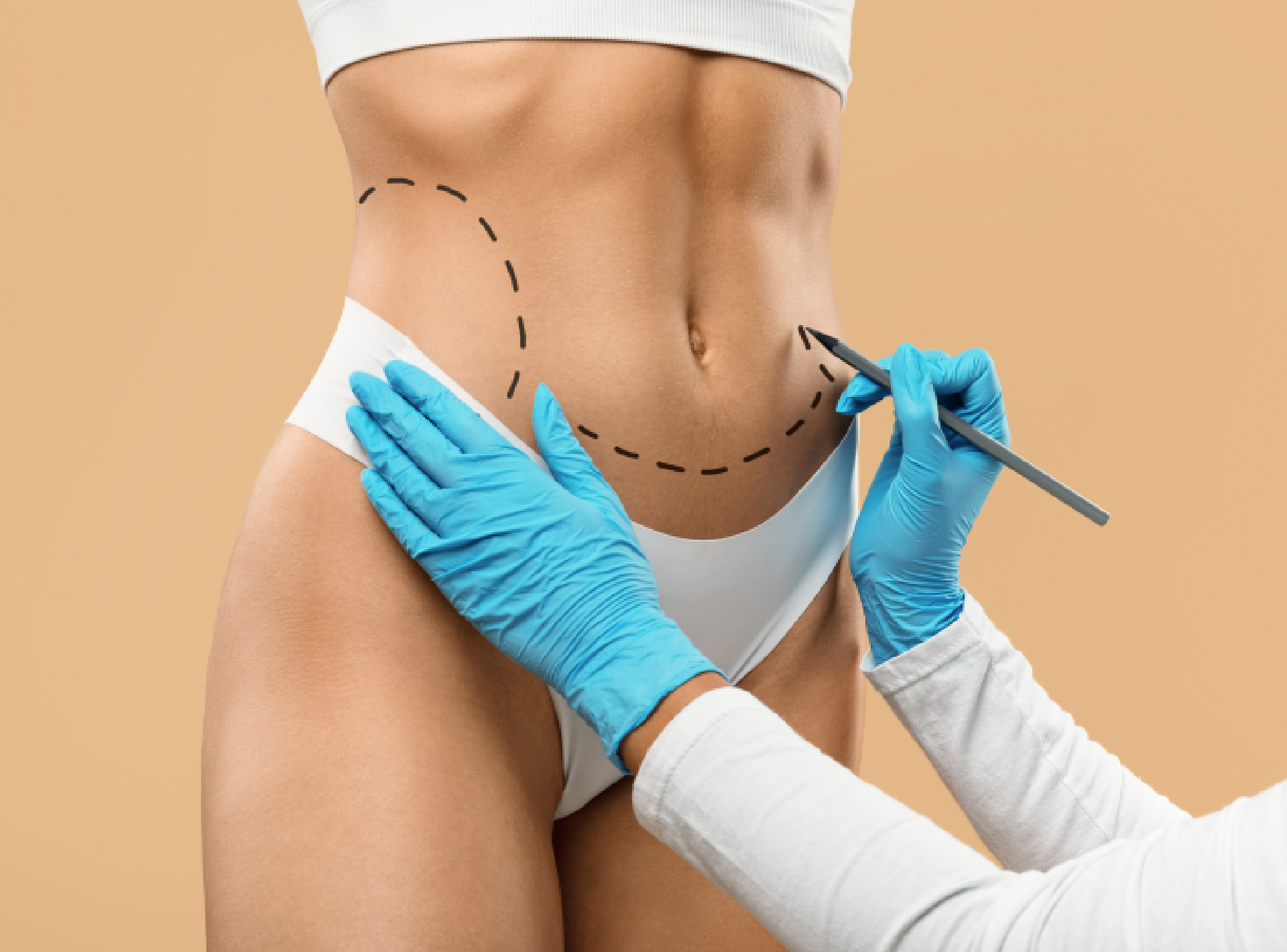
A tummy tuck, also known as abdominoplasty, focuses more broadly on the abdominal region. It can remove excess abdominal skin and may tighten separated or weakened abdominal muscles when appropriate. This can create a firmer and smoother abdominal profile.
These treatments address different body-contouring concerns, although they can sometimes be considered together when an individual’s anatomy and goals make combined treatment appropriate.
Liposuction for Body Definition
Liposuction is often associated with body sculpting because it targets localized areas of fat that may remain despite maintaining healthy lifestyle habits. The technique can be applied to selected regions where improved definition is desired.
Common treatment areas can include:
The abdomen and waist can be refined to create a more streamlined midsection.
The thighs can be shaped to improve balance between the upper and lower body.
The back can be contoured where localized fullness affects clothing fit and body proportions.
The arms can be refined when excess localized fat contributes to a heavier appearance.
The overall purpose is selective reshaping rather than general weight reduction. Candidates generally benefit from having realistic expectations about what the procedure can accomplish.
Tummy Tuck for Abdominal Contouring
A tummy tuck provides a different form of body contouring because it focuses on both excess abdominal skin and the underlying abdominal structure. Significant changes in body weight or pregnancy can sometimes leave stretched skin that does not return to its previous level of firmness.
During a tummy tuck, excess skin can be removed, while the abdominal wall may be tightened when clinically appropriate. The remaining tissue is then positioned to create a smoother abdominal outline.
This procedure may be particularly relevant for individuals whose main concern is loose abdominal skin rather than isolated fat deposits. Its purpose is to improve abdominal shape and create a more defined transition between the abdomen and surrounding body areas.
How Body Contouring Supports Proportion
An important aspect of body contouring is proportion. A single area can sometimes appear more prominent because it differs noticeably from nearby areas. Reshaping that area can help create a more balanced overall silhouette.
For example, refining the waist may make the torso appear more proportionate to the hips. Similarly, improving abdominal contours can create a smoother relationship between the stomach, waist, and lower body.
Successful contouring therefore involves more than focusing on one measurement. The overall shape, symmetry, tissue distribution, and natural body structure can all influence the final aesthetic direction.
Who May Consider Body Contouring?
Body contouring may be considered by adults who have specific concerns about excess skin, localized fat, or changes in body shape. It is generally approached as a shaping procedure rather than a substitute for weight management.
A suitable candidate may have:
Stable body weight
Realistic expectations
Specific areas of concern
Good general health
A clear understanding of the intended aesthetic changes
The decision should be based on individual anatomy and personal goals rather than trends or pressure from others. A professional assessment can help determine which approach is appropriate.
What Happens During the Planning Process?
The planning stage plays an important role in body contouring. An assessment typically considers the target areas, skin quality, tissue distribution, muscle condition, and overall proportions.
The individual can discuss the desired changes and explain which areas feel disproportionate or difficult to improve through lifestyle measures alone. The treatment approach can then be tailored to those concerns.
For liposuction, attention is generally directed toward localized fat deposits and the desired contour. For tummy tuck surgery, the assessment can also consider excess skin and abdominal muscle condition.
Detailed planning helps establish realistic expectations and supports a result that remains consistent with the body’s natural structure.
Benefits of Surgical Body Contouring
Body contouring can offer several aesthetic benefits when an appropriate procedure is selected for the individual’s needs. The changes are intended to refine shape rather than simply make one area smaller.
Potential benefits include:
Improved body proportions
More defined contours
A smoother abdominal profile
Reduction of localized fullness
Removal of excess abdominal skin
Improved harmony between neighboring body areas
Greater confidence in clothing choices
A more streamlined overall silhouette
The value of body contouring often comes from how different areas work together visually. Subtle improvements in proportion can make the entire body appear more balanced.
Body Contouring After Major Weight Changes
Significant weight changes can alter the distribution of skin and tissue. Even when a person reaches a stable weight, certain areas may retain loose skin or localized fullness.
In such situations, body contouring can focus on reshaping the areas most affected by these changes. A tummy tuck may address excess abdominal skin, while liposuction can target selected pockets of fat.
The timing and choice of procedure depend on individual circumstances. Stable weight and realistic expectations are generally important considerations when discussing surgical contouring.
Body Contouring After Pregnancy
Pregnancy can create noticeable changes in the abdominal region, including stretched skin and changes in abdominal muscle positioning. Some individuals may continue to experience these changes after returning to a stable weight.
Abdominal contouring can address selected concerns related to excess skin and abdominal structure. Liposuction may also be considered when localized fat remains around the abdomen or nearby areas.
The suitability of treatment depends on the individual’s recovery from pregnancy, future family plans, body composition, and personal goals.
Why Individualized Planning Matters
No two body shapes are exactly alike, which is why a personalized approach is central to body contouring. A technique that works well for one person may not provide the same aesthetic direction for another.
Factors such as skin elasticity, fat distribution, muscle condition, body proportions, and the location of excess tissue can influence the recommended approach.
Individualized planning also helps prevent unrealistic expectations. The goal is generally to enhance existing proportions and create a natural-looking contour rather than produce an identical body shape across different individuals.
Frequently Asked Questions
Is Body Contouring the Same as Weight Loss?
Body contouring is primarily intended to reshape and refine specific areas rather than provide general weight loss. It can address localized fat or excess skin that remains after weight has become relatively stable.
Can Liposuction and Tummy Tuck Be Used Together?
In selected situations, both procedures may be considered because they address different aspects of abdominal contouring. Liposuction primarily focuses on localized fat, while a tummy tuck can address excess skin and abdominal structure.
Does Body Contouring Improve Overall Proportion?
Body contouring can improve visual proportion by refining areas that appear fuller or looser than surrounding regions. The objective is usually to create smoother transitions and better harmony between body areas.
Is Body Contouring Suitable After Pregnancy?
Some adults consider abdominal contouring after pregnancy when loose skin or changes in abdominal structure remain after the body has stabilized. Individual suitability depends on personal circumstances and physical assessment.
What Makes a Body Contouring Plan Successful?
A successful plan generally begins with realistic expectations, careful assessment, appropriate procedure selection, and attention to natural body proportions. Clear communication about desired outcomes can also help establish a suitable treatment direction.
Can Body Contouring Address More Than One Area?
Depending on individual circumstances, body contouring may address more than one area. The specific combination depends on anatomy, treatment goals, overall health, and what can be appropriately managed during a planned procedure.
Choosing the Right Body Contouring Approach
Selecting between liposuction, tummy tuck surgery, or another contouring technique depends on the primary concern. Localized fat may be better suited to a fat-removal approach, while substantial loose abdominal skin may require a skin-focused procedure.
A professional evaluation can clarify whether the concern relates mainly to fat, skin, muscle structure, or a combination of these factors. This makes it easier to create a treatment plan centered on proportion and realistic expectations.
Supporting Natural-Looking Results
Natural-looking contouring generally comes from maintaining harmony with the individual’s existing body shape. Excessive removal or overly aggressive shaping may not always create the most balanced appearance.
A thoughtful approach considers how the treated area connects with the waist, hips, thighs, abdomen, and surrounding structures. The final objective is a refined silhouette that appears consistent with the person’s natural proportions.
Conclusion
Plastic Surgery Dubai can support body contouring by providing targeted surgical approaches for localized fat, excess skin, and changes in abdominal structure. Liposuction and tummy tuck surgery represent two important treatment options, with each addressing different contouring needs. Through personalized assessment and proportion-focused planning, adults can explore ways to achieve a smoother, more defined, and balanced body shape that aligns with their individual aesthetic goals.