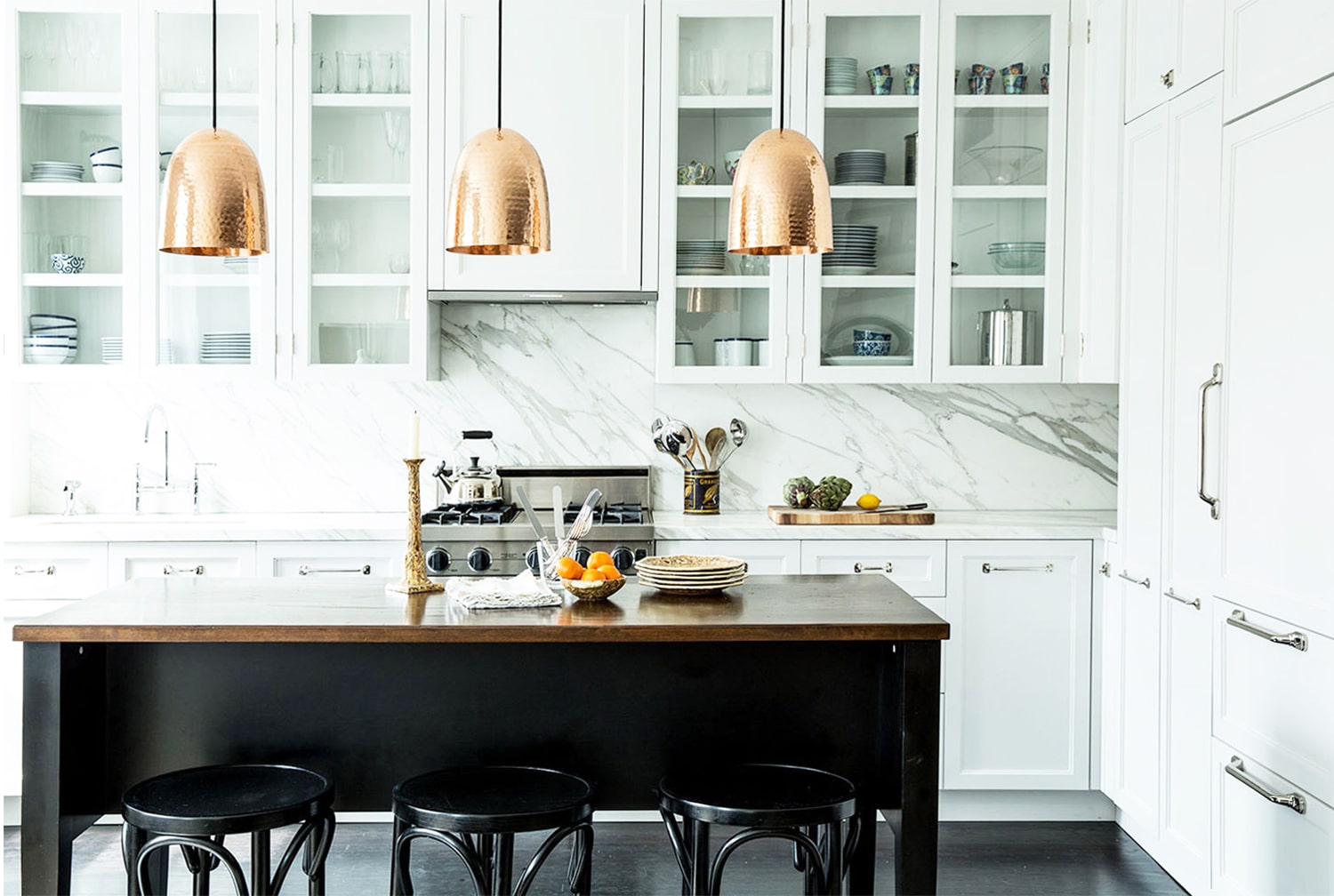
A white kitchen never goes out of style. Its clean appearance, bright atmosphere, and flexible design make it a favorite choice for homeowners across the United States. However, selecting the right flooring is just as important as choosing cabinets and countertops. The floor sets the foundation for the entire room and influences both beauty and functionality. Many homeowners designing a Farmhouse white kitchen island layout want flooring that complements the space while adding warmth, character, and durability.
Why Flooring Matters In A White Kitchen
White kitchens create a bright and welcoming environment, but they can sometimes feel cold without the right flooring. The floor introduces texture, contrast, and visual balance. It also impacts maintenance, comfort, and long-term value.
A carefully selected floor can highlight architectural details and make the kitchen feel more cohesive. On the other hand, the wrong choice may make the room appear sterile or disconnected.
Flooring also handles heavy foot traffic, spills, and daily wear. Therefore, appearance and performance should work together when making a decision.
Understanding The Style Of A White Kitchen
Before selecting flooring, homeowners should consider the overall style of their kitchen. Different flooring materials support different design themes.
A modern white kitchen often benefits from sleek and minimal flooring. Traditional spaces may pair well with richer wood tones. Meanwhile, a Farmhouse white kitchen typically looks best with floors that introduce warmth and natural textures.
The goal is to create balance. Since white cabinets already brighten the room, flooring can add depth and visual interest without overwhelming the design.
Hardwood Flooring Creates Timeless Appeal
Hardwood remains one of the most popular flooring choices for white kitchens. Its natural beauty provides contrast while maintaining an elegant appearance.
Light oak, maple, and white oak are especially attractive because they preserve the kitchen’s airy feel. Medium-toned woods introduce warmth and create a welcoming atmosphere.
Hardwood also increases home value and adapts well to changing design trends. Homeowners can refinish it over time, extending its lifespan and maintaining its appearance.
Best Wood Tones For White Kitchens
Several wood tones pair beautifully with white cabinetry:
- Light oak for a bright and open appearance
- White oak for a modern farmhouse look
- Medium walnut for warmth and contrast
- Natural maple for a clean and timeless style
- Hickory for rustic character and texture
Each option creates a unique mood while complementing white surfaces.
Luxury Vinyl Plank Offers Style And Durability
Luxury vinyl plank flooring has become increasingly popular in residential kitchens. It mimics the appearance of hardwood while providing excellent resistance to moisture and scratches.
Families with children or pets often appreciate its durability. It performs well in busy households where spills and heavy traffic occur regularly.
Modern luxury vinyl products feature realistic wood textures and patterns. Many homeowners choose them because they deliver visual appeal at a lower cost than traditional hardwood.
Benefits Of Luxury Vinyl Flooring
Luxury vinyl provides several advantages:
- Water-resistant construction
- Easy maintenance
- Comfortable underfoot
- Affordable installation
- Wide variety of colors and finishes
These qualities make it an excellent choice for practical yet stylish kitchens.
Natural Stone Adds Sophistication
Natural stone flooring introduces luxury and character to a white kitchen. Materials such as limestone, travertine, slate, and marble create distinctive visual appeal.
Stone flooring works particularly well in larger kitchens where its natural patterns can become a focal point. The texture and variation found in stone help balance the crispness of white cabinetry.
Although natural stone requires regular sealing and maintenance, many homeowners appreciate its durability and timeless beauty.
Popular Stone Choices
Marble creates an elegant and upscale appearance. Limestone provides soft, earthy tones that complement white cabinetry beautifully.
Slate introduces texture and dramatic contrast. Travertine offers a warm and inviting look that pairs especially well with farmhouse-inspired kitchens.
Each stone option brings unique qualities that can enhance the overall design.
Tile Flooring Delivers Endless Design Possibilities
Tile flooring remains a favorite option because of its versatility. Available in countless colors, patterns, and sizes, tile allows homeowners to customize their kitchen design.
Porcelain and ceramic tiles are particularly popular due to their durability and moisture resistance. They handle spills well and require minimal maintenance.
Large-format tiles can make smaller kitchens feel larger. Patterned tiles can introduce personality without overwhelming the space.
Choosing Tile Colors For White Kitchens
Color selection significantly impacts the final appearance.
Light gray tiles provide subtle contrast while maintaining brightness. Beige and warm taupe create a welcoming environment. Dark charcoal tiles add drama and sophistication.
The ideal color depends on the desired atmosphere and the amount of natural light available in the room.
Wide-Plank Flooring Enhances Farmhouse Charm
Wide-plank flooring continues to grow in popularity, especially in homes featuring farmhouse-inspired interiors.
The broader boards create a spacious appearance and showcase natural wood grain more effectively. This style pairs beautifully with white cabinetry and rustic accents.
Many homeowners designing a Farmhouse white kitchen choose wide-plank flooring because it strengthens the traditional and welcoming character of the space.
Wide planks also reduce the number of visible seams, creating a cleaner and more cohesive look.
Gray Flooring Creates Modern Contrast
Gray flooring offers a balanced approach for homeowners seeking a contemporary aesthetic.
Cool gray tones complement white cabinets while introducing subtle contrast. This combination creates a clean and sophisticated environment.
Gray flooring works particularly well alongside stainless steel appliances and modern fixtures. It also allows decorative accents to stand out more effectively.
Homeowners should avoid overly cool shades if they want to maintain warmth in the kitchen. Selecting gray flooring with warm undertones often creates better visual balance.
Warm-Toned Flooring Prevents A Sterile Appearance
One common challenge with white kitchens is preventing the space from feeling overly clinical.
Warm-toned flooring helps solve this problem. Honey-colored woods, warm oak finishes, and earthy tile shades introduce comfort and personality.
The warmth provided by the floor balances the brightness of white cabinets and countertops. This combination creates a more inviting environment for family gatherings and everyday living.
Warm flooring also pairs well with natural materials such as wood beams, woven textures, and stone accents.
Dark Flooring Creates Dramatic Visual Impact
Dark flooring can create striking contrast against white cabinetry. Rich walnut, dark oak, and charcoal-colored tile establish a bold and sophisticated appearance.
This approach works especially well in larger kitchens with ample natural light. The contrast highlights cabinetry details and adds depth to the design.
However, dark floors may show dust and debris more easily. Homeowners should consider maintenance requirements before making a final decision.
Used thoughtfully, dark flooring can transform a white kitchen into a visually impressive space.
Considering Kitchen Size Before Choosing Flooring
Kitchen dimensions influence flooring selection more than many homeowners realize.
Light-colored flooring often makes smaller kitchens appear larger and more open. Reflective surfaces enhance natural light and create a sense of spaciousness.
Larger kitchens can accommodate darker flooring without feeling confined. They also allow homeowners to experiment with more dramatic contrasts and patterns.
Evaluating room size helps ensure the flooring enhances rather than limits the visual appeal of the space.
Matching Flooring With Countertops And Fixtures
Flooring should complement all major kitchen elements rather than compete with them.
Homeowners should evaluate cabinet color, countertop material, backsplash design, and hardware finishes before selecting flooring. Consistency creates a more polished and intentional appearance.
Natural wood floors pair beautifully with quartz countertops and matte black hardware. Stone flooring often works well alongside marble countertops and brushed metal fixtures.
A cohesive palette helps the kitchen feel balanced and professionally designed.
Maintenance Considerations For Busy Households
Appearance matters, but practical performance should never be overlooked.
Busy families benefit from flooring that resists stains, scratches, and moisture. Luxury vinyl, porcelain tile, and certain engineered wood products perform exceptionally well under daily use.
Homeowners should also consider cleaning requirements. Some materials require occasional sealing, while others need only routine sweeping and mopping.
Choosing flooring that aligns with household habits ensures long-term satisfaction.
Trends Influencing White Kitchen Flooring Choices
Current kitchen design trends emphasize natural textures and authentic materials. Homeowners increasingly seek flooring that introduces warmth while maintaining a clean appearance.
Wide-plank wood flooring remains highly desirable. Light oak finishes continue to dominate modern designs. Patterned tile installations are also gaining popularity for adding personality.
Many designers now prioritize timeless choices over temporary trends. Flooring that balances style and durability often provides the greatest long-term value.
Conclusion
Selecting the right flooring for a white kitchen requires careful consideration of style, functionality, and personal preference. Hardwood, luxury vinyl, natural stone, tile, and wide-plank flooring each offer unique advantages that can enhance the overall design. The best choice depends on factors such as kitchen size, maintenance expectations, lifestyle needs, and desired aesthetic. A thoughtfully chosen floor adds warmth, balance, and character while supporting everyday use. By focusing on both beauty and practicality, homeowners can create a white kitchen that remains stylish, welcoming, and functional for many years to come.