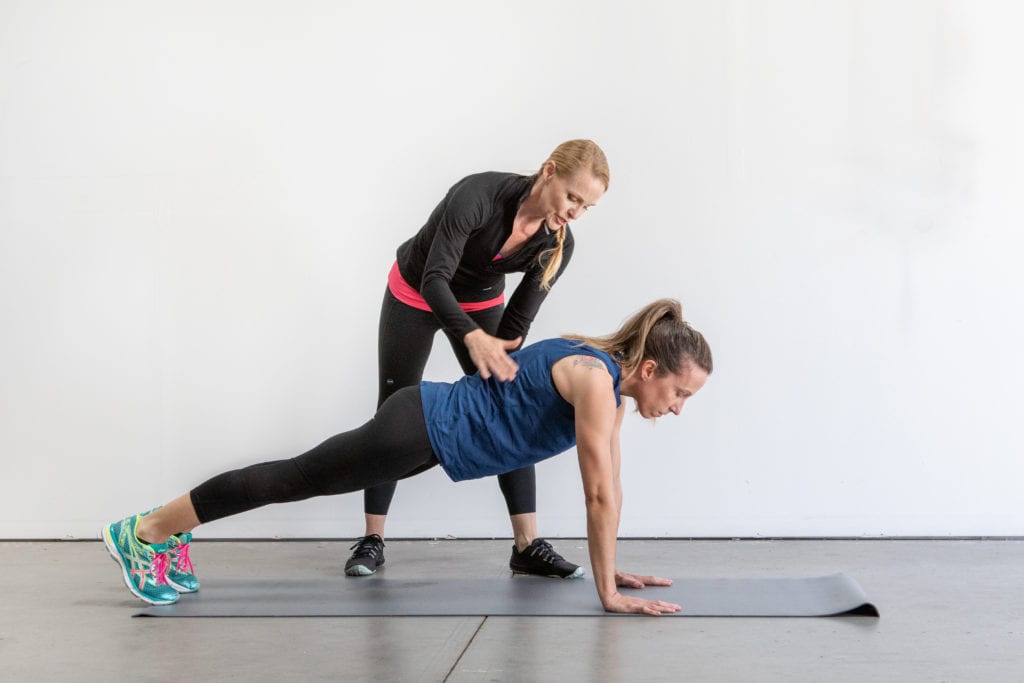
Small movement problems can gradually lead to discomfort, poor posture, and reduced performance during everyday activities and workouts. Many people notice tight muscles, limited mobility, or recurring aches but are unsure how often they should address them. Following a structured Corrective Exercise Program can help restore movement patterns and improve physical function. However, consistency matters just as much as exercise selection. Understanding the right practice frequency can help you achieve better results while avoiding overtraining or frustration.
Understanding the Purpose of Corrective Exercise
Corrective Exercise focuses on identifying and improving movement dysfunctions that may contribute to pain, instability, or limited mobility. Unlike traditional strength training, its primary goal is to improve the way the body moves.
These exercises often target muscle imbalances, joint restrictions, poor posture, and movement compensations. They are commonly used by fitness professionals, physical therapists, and individuals seeking better movement quality.
When performed consistently, they can help improve flexibility, balance, coordination, and overall physical performance.
Why Frequency Matters for Results
Consistency plays a major role in improving movement patterns. The body learns through repetition, and new movement habits take time to develop.
Practicing too infrequently may slow progress because the body does not receive enough stimulus to create lasting changes. On the other hand, performing exercises excessively can lead to fatigue and reduced effectiveness.
Finding the right balance allows the nervous system and muscles to adapt gradually while maintaining proper recovery.
General Guidelines for Corrective Exercise Frequency
Most fitness professionals recommend practicing Corrective Exercise between three and seven days per week, depending on the individual’s goals and movement limitations.
The ideal frequency often depends on:
- Severity of movement dysfunction
- Fitness level
- Recovery capacity
- Exercise intensity
- Daily activity demands
- Professional recommendations
Many corrective movements are low intensity, making them suitable for frequent practice.
For Mild Movement Issues
Individuals with minor posture concerns or slight mobility restrictions often benefit from performing exercises three to four times per week.
This frequency provides enough repetition to encourage improvement while allowing time for the body to adapt naturally.
For Moderate Limitations
People experiencing noticeable mobility restrictions or recurring movement compensations may need five to six sessions weekly.
Frequent practice helps reinforce proper movement patterns and accelerates progress.
For Significant Movement Dysfunction
In cases involving substantial movement limitations, daily practice may be beneficial under professional guidance.
Short, focused sessions often produce better outcomes than occasional lengthy workouts.
How Long Should Each Session Last?
Many people assume corrective work requires lengthy workouts. In reality, effective sessions are often surprisingly short.
Most routines can be completed in:
- 10 to 15 minutes for maintenance
- 15 to 30 minutes for improvement goals
- 30 to 45 minutes for comprehensive programs
The focus should remain on quality rather than quantity.
Performing exercises correctly is far more valuable than extending the duration unnecessarily.
Factors That Influence Exercise Frequency
No single schedule works for everyone. Several factors affect how often you should practice.
Your Current Fitness Level
Beginners often benefit from shorter, more frequent sessions. This approach helps them learn proper movement patterns without becoming overwhelmed.
More experienced individuals may require fewer sessions once their movement quality improves.
Recovery Ability
Recovery differs from person to person. Factors such as sleep quality, nutrition, stress levels, and overall health influence how quickly the body adapts.
Individuals with excellent recovery capacity can often tolerate more frequent practice.
Severity of Imbalances
More significant dysfunctions generally require greater attention and consistency.
For example, someone with severe forward head posture may need daily mobility and strengthening exercises compared to someone with minor postural deviations.
Training Volume
People who engage in heavy strength training, running, or sports may need additional corrective work to offset movement compensations.
However, overall workload should remain manageable to prevent excessive fatigue.
Signs You May Need More Frequent Practice
Certain indicators suggest your current routine may not be sufficient.
Watch for:
- Persistent muscle tightness
- Limited joint mobility
- Recurring aches and pains
- Poor exercise technique
- Difficulty maintaining posture
- Frequent movement restrictions
If these issues continue despite regular practice, increasing frequency may help.
Monitoring progress can guide future adjustments.
Signs You May Be Doing Too Much
Although corrective routines are generally low intensity, excessive practice can still create challenges.
Potential signs include:
- Muscle soreness lasting several days
- Reduced motivation
- Fatigue during workouts
- Declining performance
- Increased stiffness
If these symptoms occur, consider reducing session frequency or duration.
Recovery remains essential for adaptation and long-term success.
Combining Corrective Exercise With Strength Training
Many people wonder whether they should perform Corrective Exercise separately from their regular workouts.
The answer depends on individual goals and schedules.
In many cases, corrective movements work well as part of a warm-up routine. They prepare the body for exercise by improving joint mobility and activating key muscles.
Before Workouts
Performing corrective exercises before training can:
- Improve movement quality
- Enhance exercise technique
- Increase mobility
- Reduce compensation patterns
- Support injury prevention
Short sessions before workouts often deliver significant benefits.
On Rest Days
Rest days provide an excellent opportunity for focused corrective work.
Because these exercises are generally less demanding than traditional workouts, they can promote recovery while addressing movement limitations.
The Importance of Progression
Corrective routines should evolve over time.
Many individuals continue performing the same exercises long after their needs have changed. This approach can limit progress and reduce effectiveness.
Regular reassessment helps determine when to:
- Increase difficulty
- Modify exercises
- Add resistance
- Improve range of motion
- Transition to advanced movements
Progressive overload applies to movement quality just as it does to strength training.
Creating a Sustainable Weekly Schedule
A practical schedule should fit comfortably within your lifestyle.
Here is an example for many active adults:
Beginner Schedule
- Monday: 15 minutes
- Wednesday: 15 minutes
- Friday: 15 minutes
- Saturday: 15 minutes
This schedule introduces consistency without overwhelming the body.
Intermediate Schedule
- Monday: 20 minutes
- Tuesday: 15 minutes
- Thursday: 20 minutes
- Friday: 15 minutes
- Sunday: 20 minutes
This approach provides greater repetition while maintaining recovery.
Advanced Schedule
- Daily mobility drills: 10–15 minutes
- Targeted corrective sessions: 3–4 times weekly
Advanced individuals often integrate corrective work into their overall training strategy.
Common Mistakes When Practicing Corrective Exercise
Many people struggle to see results because of avoidable mistakes.
Ignoring Consistency
Performing exercises sporadically rarely creates lasting change.
Regular practice produces better outcomes than occasional intensive sessions.
Rushing Through Movements
Movement quality matters more than speed.
Controlled execution helps retrain the nervous system and reinforce proper mechanics.
Skipping Reassessments
Without periodic evaluations, it becomes difficult to determine whether progress is occurring.
Tracking improvements in mobility, posture, and movement patterns provides valuable feedback.
Treating Corrective Work as a Quick Fix
Movement dysfunctions often develop over months or years.
Meaningful improvements require patience, consistency, and realistic expectations.
How Long Before You See Results?
Results vary depending on the severity of movement limitations and individual commitment.
Some people notice improvements in mobility and comfort within a few weeks. Others may require several months of consistent practice.
Factors influencing progress include:
- Exercise quality
- Frequency
- Recovery habits
- Overall activity level
- Existing movement dysfunctions
Patience and consistency remain critical throughout the process.
Making Corrective Exercise Part of Daily Life
The most successful individuals treat movement improvement as an ongoing habit rather than a temporary project.
Simple strategies include:
- Performing mobility drills after waking up
- Adding exercises to warm-ups
- Taking movement breaks during work
- Practicing posture awareness throughout the day
- Scheduling dedicated sessions weekly
These small habits accumulate over time and create lasting improvements.
Conclusion
Determining how often to practice corrective exercises depends on your individual needs, movement limitations, and fitness goals. Most people benefit from performing corrective work three to seven times per week, with shorter, consistent sessions producing better results than occasional lengthy workouts. The key is maintaining proper technique, allowing adequate recovery, and adjusting frequency as your movement quality improves. By making corrective exercises a regular part of your routine, you can improve posture, enhance mobility, reduce discomfort, and support long-term fitness success. Consistency, patience, and gradual progression are the foundations of lasting results.