Proper wound care is one of the most important factors in achieving a safe and successful recovery after surgery, injury, or the development of a chronic wound. Whether a patient is dealing with a diabetic foot ulcer, pressure injury, surgical incision, or traumatic wound, timely treatment can significantly reduce the risk of infection and improve healing outcomes. Mobile wound care nurse services Troy provide patients with expert clinical care in the comfort of their homes, making high-quality wound management more convenient, accessible, and effective.
Home-based healthcare has become increasingly popular because it offers personalized treatment without requiring patients to travel repeatedly to hospitals or outpatient clinics. Skilled wound care nurses work closely with physicians to monitor healing, perform advanced wound treatments, educate patients, and identify complications before they become serious. Understanding each step of the wound care process helps patients and caregivers feel more confident while ensuring they actively participate in a successful recovery journey.
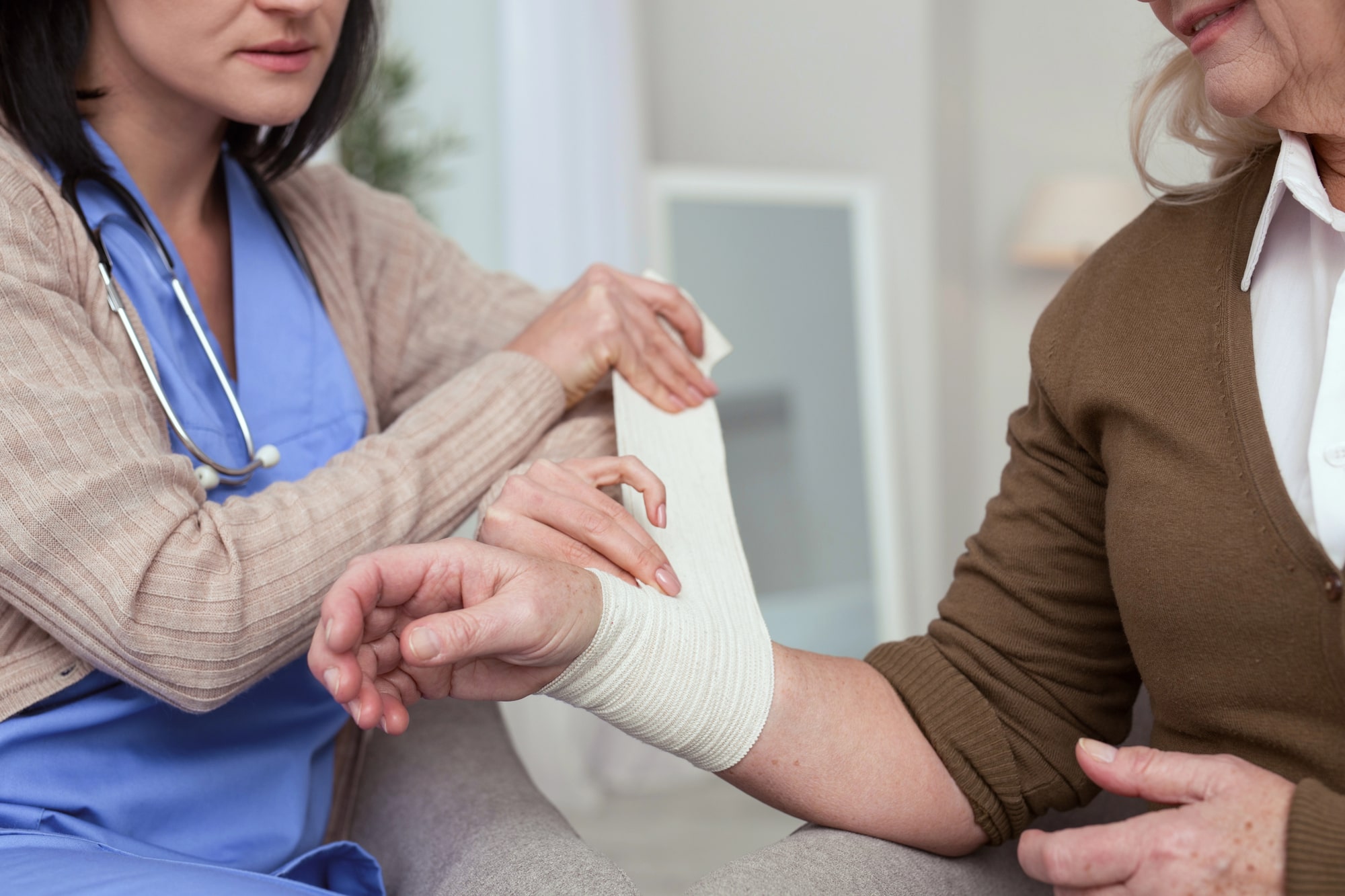
Understanding Mobile Wound Care Services
Mobile wound care services involve licensed nurses visiting patients in their homes to provide professional wound management under the direction of a physician. These services are designed for individuals recovering from surgery, living with chronic wounds, managing diabetic ulcers, or requiring specialized wound monitoring after hospitalization. Mobile wound care nurse services Troy combine clinical expertise with personalized attention, ensuring patients receive consistent medical care while remaining in a familiar and comfortable environment.
Unlike traditional clinic appointments, home visits allow nurses to evaluate the patient’s overall health, living conditions, mobility, nutrition, and caregiver support. These additional observations help healthcare professionals identify factors that may influence wound healing and recovery. By delivering individualized treatment plans based on each patient’s specific needs, mobile wound care improves both patient comfort and long-term clinical outcomes.
Step 1: Comprehensive Initial Wound Assessment
Every successful wound treatment plan begins with a detailed clinical assessment. During the first home visit, the wound care nurse carefully reviews the patient’s medical history, current medications, allergies, chronic health conditions, and recent surgical procedures. Understanding these factors helps determine the most appropriate treatment strategy while identifying risks that may slow healing, such as diabetes, poor circulation, or compromised immune function.
The nurse also performs a thorough examination of the wound itself by measuring its size, depth, drainage, surrounding tissue condition, and signs of infection. Photographic documentation and detailed clinical records may be used to monitor healing progress over time. This comprehensive assessment establishes a baseline that allows healthcare providers to evaluate improvement during future visits and make evidence-based treatment decisions.
Step 2: Developing a Personalized Treatment Plan
Following the initial assessment, the wound care nurse collaborates with the supervising physician to create a personalized treatment plan tailored to the patient’s specific medical needs. This plan outlines dressing selection, cleaning procedures, treatment frequency, pain management strategies, infection prevention measures, and follow-up schedules. Every recommendation is based on current clinical guidelines and the unique characteristics of the wound.
Patients and caregivers are actively involved in treatment planning to ensure they understand every aspect of the recovery process. Nurses explain the purpose of each treatment, expected healing timelines, and warning signs that require immediate medical attention. This collaborative approach promotes greater confidence while encouraging patients to follow treatment recommendations consistently throughout recovery.
Step 3: Professional Wound Cleaning and Dressing Changes
Proper wound cleaning is essential for removing debris, reducing bacteria, and creating an environment that supports healthy tissue growth. During each home visit, the nurse uses sterile techniques to cleanse the wound carefully while minimizing discomfort. Advanced wound care products and specialized dressings are selected according to the wound’s condition, drainage levels, and healing stage to maximize recovery potential.
Regular dressing changes help protect the wound from contamination while maintaining optimal moisture levels that encourage tissue regeneration. The nurse carefully evaluates the wound during every dressing change to identify improvements or potential concerns. Consistent professional wound care significantly lowers the risk of infection while promoting steady healing and reducing unnecessary complications.
Step 4: Continuous Monitoring and Healing Progress
Healing is an ongoing process that requires regular observation and timely adjustments to treatment. During follow-up visits, nurses compare current wound measurements with previous assessments to determine whether healing is progressing as expected. Changes in wound appearance, drainage, tissue quality, pain levels, and surrounding skin condition provide valuable information that guides future treatment decisions.
If healing slows or signs of infection appear, nurses immediately communicate their findings to the supervising physician. Early intervention allows treatment plans to be modified before complications become severe enough to require hospitalization. This continuous monitoring is one of the greatest strengths of Mobile wound care nurse services Troy because it ensures patients receive prompt attention throughout every stage of recovery.
Step 5: Patient and Caregiver Education
Successful wound healing depends not only on professional treatment but also on proper care between nursing visits. Education is therefore a critical component of every home wound care program. Nurses teach patients and caregivers how to protect the wound, recognize early signs of infection, maintain hygiene, follow medication schedules, and support healing through healthy nutrition and hydration.
Patients also receive guidance on controlling chronic conditions such as diabetes, improving circulation, preventing pressure injuries, and reducing activities that may interfere with healing. By empowering patients with practical knowledge, nurses encourage greater participation in recovery while helping families feel more confident in managing wound care safely at home.
Step 6: Coordinated Care with Physicians and Specialists
Complex wounds often require collaboration among multiple healthcare professionals. Mobile wound care nurses maintain regular communication with physicians, surgeons, primary care providers, and specialists to ensure treatment remains coordinated and effective. This teamwork allows healthcare providers to review healing progress, discuss treatment adjustments, and respond quickly if complications develop.
When additional medical interventions become necessary, nurses help coordinate referrals for diagnostic testing, advanced wound therapies, vascular evaluations, or specialist consultations. This integrated approach minimizes communication gaps while ensuring patients receive comprehensive care tailored to their evolving medical needs. Coordinated treatment improves clinical outcomes and supports smoother recovery from beginning to end.
Benefits of Home-Based Wound Care
Receiving professional wound treatment at home offers numerous clinical and practical advantages. Patients avoid transportation difficulties, lengthy waiting times, and unnecessary exposure to illnesses commonly found in healthcare facilities. These conveniences are particularly valuable for seniors, individuals with mobility limitations, and patients recovering from major surgical procedures who may find travel physically demanding.
These real-world observations lead to more personalized recommendations that improve recovery while supporting long-term health and independence. Home-based wound care treatment Genesee MI also allows nurses to observe the patient’s daily environment, helping identify factors that may affect healing such as fall risks, footwear, nutrition, or medication organization. The comfort of receiving care at home also reduces stress and encourages stronger communication between patients and healthcare providers.
Choosing the Right Mobile Wound Care Provider
Selecting an experienced wound care provider is an important step toward achieving successful healing outcomes. Patients should choose providers with specialized wound management training, strong clinical experience, and close collaboration with physicians and other healthcare professionals. Reliable providers follow evidence-based treatment protocols while adapting care plans to meet each patient’s individual medical needs and recovery goals.
Providers who emphasize patient education, consistent communication, and compassionate care create stronger relationships that improve treatment adherence and patient satisfaction. Choosing trusted professionals who offer home-based wound care treatment Genesee MI ensures patients receive comprehensive medical support throughout every phase of healing. Quality care, combined with regular follow-up and coordinated treatment, provides the best opportunity for safe and successful recovery.
Conclusion
Recovering from a wound involves much more than applying dressings—it requires continuous assessment, individualized treatment, professional monitoring, and strong collaboration among healthcare providers. Mobile wound care nurse services Troy simplify this process by bringing specialized wound management directly to patients, ensuring consistent care without the inconvenience of repeated clinic visits. Every step, from the initial assessment through healing and follow-up, is carefully designed to promote faster recovery while reducing the risk of infection and long-term complications.
For patients requiring home-based wound care treatment Genesee MI, receiving professional care at home offers the ideal combination of clinical expertise, convenience, and personalized attention. Skilled nurses work closely with physicians to monitor healing, educate patients, and adjust treatment plans as recovery progresses, creating a seamless healthcare experience focused on safety and long-term wellness. As demand for home healthcare continues to grow, mobile wound care services remain an essential resource for delivering effective, compassionate, and patient-centered wound management.