A flooring upgrade can dramatically improve the appearance, comfort, and functionality of a home without requiring a complete renovation. From refreshing a tired living room to creating a more practical kitchen surface, the right flooring can make everyday spaces feel newer and more inviting. Careful planning, suitable materials, and quality installation are essential for achieving attractive results while maintaining control over the overall home improvement budget. SVM NW Construction focuses on practical workmanship and dependable solutions for homeowners seeking valuable improvements.
For homeowners searching for a Flooring Contractor Arlington WA, choosing an affordable professional does not mean settling for poor quality. A good flooring professional can help evaluate the space, discuss suitable material options, prepare the existing surface, and complete the installation with attention to detail. Professional guidance can also help prevent expensive mistakes, making it easier to balance the desired appearance, durability, and available budget.
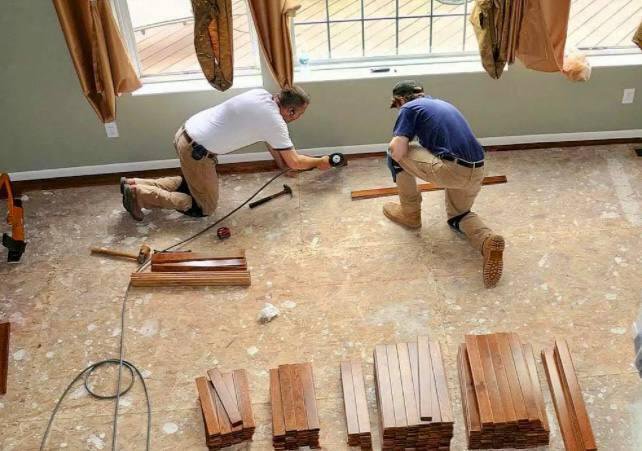
Why Flooring Is a Valuable Home Improvement?
Flooring is one of the most noticeable features inside a property. It affects how a room looks, feels, and functions every day. Damaged, outdated, or difficult-to-maintain flooring can reduce the comfort of a space, while a well-selected surface can create a cleaner and more coordinated appearance.
Unlike decorative changes that may have limited practical benefits, flooring improvements can contribute to everyday convenience. Durable materials can withstand regular foot traffic, while easy-to-clean surfaces can simplify household maintenance.
How to Plan an Affordable Flooring Project?
The best way to control flooring expenses is to plan before purchasing materials or scheduling installation. Rushing into a project can lead to unnecessary purchases, unexpected preparation costs, or material choices that are unsuitable for the room.
Establish a Realistic Budget
Begin by deciding how much you can comfortably spend. Include more than just the price of the flooring material. Your budget should account for installation, surface preparation, removal of old flooring, transitions, trim, and potential repairs.
Having a clear financial limit makes it easier to compare options and avoid overspending.
Identify Your Priorities
Consider what matters most for your project. You might prioritize durability, appearance, easy maintenance, comfort, or moisture resistance. Knowing your priorities helps narrow down choices without paying for features you do not actually need.
Choosing Cost-Effective Flooring Materials
Different flooring materials offer different combinations of appearance, durability, maintenance, and price. Comparing several options can help homeowners find a practical balance.
Vinyl Flooring
Vinyl can be an attractive option for homeowners looking for versatility and easy maintenance. It is available in numerous designs and can work well in areas where regular cleaning is important.
Laminate Flooring
Laminate can provide the visual appeal of wood or other materials while offering a practical alternative for certain residential spaces. It can be worth considering when appearance and budget are both important.
Hardwood and Engineered Wood
Wood flooring can bring warmth and character to interior spaces. Engineered wood may offer flexibility for homeowners who want a wood appearance while considering installation requirements and budget limitations.
Tile Flooring
Tile can be a durable choice for areas that experience moisture or heavy use. Its wide range of designs allows homeowners to create both traditional and contemporary interiors.
The ideal choice depends on the room, lifestyle, maintenance expectations, and total project budget.
Get More Value From Your Flooring Budget
Saving money does not necessarily mean selecting the cheapest material available. Instead, focus on getting the best combination of quality, longevity, and price.
Upgrade High-Traffic Areas First
If replacing every floor at once is outside your budget, prioritize the spaces that receive the most use. Entryways, hallways, kitchens, and living areas may benefit significantly from a flooring upgrade.
Additional rooms can be completed later as your budget permits.
Compare Materials Before Buying
Do not select flooring based solely on its appearance. Compare durability, maintenance requirements, installation complexity, and expected lifespan. A slightly higher initial investment may provide better value if the material remains attractive and functional for many years.
Avoid Unnecessary Renovation Changes
Keeping the existing layout can help limit costs. If the flooring can be replaced without changing walls, cabinets, or other major features, you may be able to achieve a noticeable improvement while keeping the project focused.
The Importance of Professional Installation
Even high-quality flooring can look disappointing when installed incorrectly. Professional installation involves careful measuring, preparation, cutting, alignment, placement, and finishing.
Proper Surface Preparation
The surface underneath the new flooring plays an important role in the finished result. Uneven areas, damage, or moisture-related problems may need to be addressed before installation begins.
Skipping necessary preparation can lead to movement, uneven sections, premature wear, or other problems.
Precise Installation
Professional installation can help ensure consistent spacing, clean edges, secure placement, and smooth transitions between rooms. Attention to these details can make the finished flooring look more polished.
Fewer Costly Mistakes
DIY installation may appear cheaper initially, but mistakes can result in wasted materials or additional repair costs. Professional assistance can reduce the likelihood of errors and help the project move forward efficiently.
Questions to Ask Before Hiring a Contractor
Choosing a flooring professional should involve more than comparing prices. Ask questions that help you understand the complete scope of the project.
Request a Detailed Estimate
A written estimate can clarify material costs, labor, preparation, removal, and other potential charges. Understanding these details can help prevent surprises later.
Discuss the Timeline
Ask when the project can begin and how long the installation is expected to take. Knowing the schedule helps homeowners plan around furniture movement, household routines, and other activities.
Discuss Material Recommendations
A knowledgeable professional should be able to explain which flooring options are suitable for your specific rooms. Their recommendations should consider traffic levels, moisture exposure, maintenance, and your budget.
Prepare Your Home for Installation
Good preparation can make the installation process smoother. Remove personal belongings and smaller furniture from the work area before the contractor arrives. For larger items, confirm in advance whether they need to be moved.
Keep children and pets away from active work areas. If multiple rooms are being upgraded, discuss the order of installation so you can continue using unaffected areas of the home.
Maintain Your Flooring After Installation
Once your new flooring is installed, proper care can help preserve its appearance and performance. Follow cleaning recommendations appropriate for the material and avoid using products that could damage the surface.
Clean spills promptly, use suitable protective pads beneath furniture, and consider placing mats in high-traffic entry areas. Regular maintenance can reduce unnecessary wear and help extend the useful life of the flooring.
Maximize Value Without Breaking the Bank
A successful flooring project is about making smart decisions rather than simply spending less. Homeowners can maximize value by establishing a budget, comparing materials, prioritizing important rooms, and investing in proper installation.
Professional guidance can also make the decision-making process easier. Instead of guessing which material or installation approach is appropriate, homeowners can evaluate practical options based on the property’s needs.
The goal is to create flooring that looks appealing, performs well, and remains useful for years. A carefully planned project can deliver a significant visual and functional improvement without turning into an unnecessarily expensive renovation.
Final Thoughts
Affordable flooring improvements can transform a home when approached with careful planning and attention to long-term value. From choosing practical materials to preparing the surface and maintaining the finished floor, every decision can influence the final result. For homeowners seeking dependable workmanship and practical home improvement solutions, SVM NW Construction offers professional services focused on quality, value, and lasting results.
Home improvement projects can make a home feel more comfortable, attractive, and functional without requiring a complete renovation. Flooring is one of the most noticeable upgrades because it influences the appearance and everyday usability of nearly every room. Choosing the right materials, planning carefully, and working with experienced professionals can help homeowners achieve impressive results while keeping their project within a realistic budget. SVM NW Construction helps homeowners approach flooring improvements with practical solutions and quality workmanship.
Why Flooring Matters in Home Improvement?
Flooring does more than provide a surface to walk on. It contributes to the overall style, comfort, durability, and maintenance needs of a property. A worn or damaged floor can make an otherwise attractive room appear outdated, while fresh flooring can immediately create a cleaner and more inviting atmosphere.
When planning a flooring upgrade, homeowners should consider how each room is used. High-traffic areas may require durable materials, while bedrooms and living spaces may benefit from options that provide warmth and comfort. Matching the flooring choice to the room can prevent unnecessary expenses later.
Choosing Flooring That Fits Your Budget
A successful flooring project starts with a realistic budget. The cheapest material is not always the most economical choice because durability and maintenance should also be considered. Spending slightly more on a dependable material may reduce replacement and repair costs over time.
Compare Material Options
Homeowners can explore several flooring categories, including:
- Vinyl flooring
- Laminate flooring
- Hardwood flooring
- Engineered wood
- Tile flooring
- Other practical flooring materials
Each option offers different advantages in terms of appearance, durability, installation requirements, and maintenance. Comparing these factors before purchasing helps homeowners avoid choosing materials based only on appearance.
Consider Long-Term Value
A flooring material that lasts longer can provide better value than an inexpensive option that requires frequent repairs or replacement. Think about expected foot traffic, moisture exposure, cleaning requirements, and the amount of maintenance you are willing to perform.
Planning Your Flooring Improvement Project
Good planning can prevent unexpected expenses and delays. Before installation begins, inspect the existing floor and determine whether repairs or preparation work are necessary.
Measure the Space Carefully
Accurate measurements are essential when purchasing flooring materials. Buying too little can cause delays, while purchasing significantly more than necessary can increase costs. A professional assessment can help determine the required amount while accounting for installation needs and material waste.
Inspect the Existing Surface
The condition of the existing surface can affect the final result. Uneven areas, damaged sections, moisture problems, or other concerns may need attention before new flooring is installed.
Addressing these issues early can help prevent problems after installation and ensure that the finished floor performs as expected.
Ways to Save Money on Flooring
Homeowners do not necessarily need to sacrifice quality to control project costs. Several practical strategies can make a flooring improvement more affordable.
Prioritize High-Impact Areas
If your budget does not allow you to replace flooring throughout the entire property, focus on the rooms where the improvement will have the greatest impact. Entryways, living rooms, kitchens, and other frequently used spaces may be good starting points.
You can complete additional rooms later as your budget allows.
Choose Practical Materials
Premium flooring can look appealing, but practical alternatives can often provide a similar appearance at a lower cost. Focus on durability, functionality, and maintenance rather than selecting materials solely because they are expensive.
Avoid Unnecessary Changes
Keeping the existing room layout can help control labor and preparation costs. When possible, plan the flooring project around the current configuration instead of making additional structural changes that are unrelated to the flooring upgrade.
Benefits of Professional Flooring Installation
While some homeowners consider installing flooring themselves, professional installation can provide valuable advantages. Proper installation requires attention to measurements, surface preparation, material handling, and finishing details.
Better Preparation
A professional can identify issues that may not be obvious during a basic inspection. Proper preparation creates a more stable foundation for the new flooring and can improve its appearance and longevity.
Consistent Results
Professional installation can help produce cleaner transitions, accurate cuts, secure placement, and a finished appearance that enhances the room. This is especially important when working with materials that require precise installation techniques.
Reduced Risk of Costly Mistakes
Installation mistakes can result in damaged materials, uneven surfaces, poor alignment, or premature wear. Correcting these problems may cost more than professional installation from the beginning.
How to Choose the Right Flooring Professional?
Selecting the right contractor is an important part of protecting your investment. Homeowners should evaluate experience, workmanship, communication, and the overall scope of service before starting a project.
Ask About the Project Process
A reliable professional should be able to explain the general installation process, preparation requirements, expected timeline, and factors that could affect the final cost.
Request a Clear Estimate
A detailed estimate makes it easier to understand where your budget is going. Ask about material costs, preparation work, installation, and any additional services that may be required.
Focus on Quality and Reliability
Price should not be the only deciding factor. A contractor who combines reasonable pricing with dependable workmanship can provide stronger long-term value than a provider offering an unusually low estimate without clear details.
Preparing Your Home Before Installation
Homeowners can make the installation process easier by preparing the work area in advance. Remove small furniture and personal belongings from the room whenever possible. Discuss larger furniture items with the contractor so you know what needs to be moved.
Keep pets and children away from active work areas for safety. It is also helpful to discuss access, working hours, ventilation, and cleanup expectations before the project begins.
Maintaining Your New Flooring
Proper maintenance can help protect your investment after installation. Cleaning methods should match the specific flooring material. Avoid excessive moisture on materials that are sensitive to water, and use appropriate cleaning products.
Place protective pads beneath furniture where appropriate and address spills quickly. Regular maintenance can reduce wear and help the flooring maintain its appearance for longer.
Maximize Value Without Breaking the Bank
A flooring project does not have to become an expensive renovation. The key is to balance appearance, durability, installation requirements, and long-term maintenance. Start with a clear budget, prioritize important rooms, compare materials, and address preparation needs before installation.
Working with a dependable professional can also help homeowners make informed decisions and avoid mistakes that create unnecessary expenses. With thoughtful planning, even a modest flooring budget can produce a noticeable improvement in comfort, appearance, and property appeal.
Final Thoughts
Affordable flooring improvements are achievable when homeowners focus on smart planning, durable materials, and professional workmanship. Whether upgrading one room or improving several areas, careful decisions can maximize the value of every dollar spent. SVM NW Construction provides dependable flooring and home improvement solutions designed to help homeowners achieve practical, attractive, and lasting results.