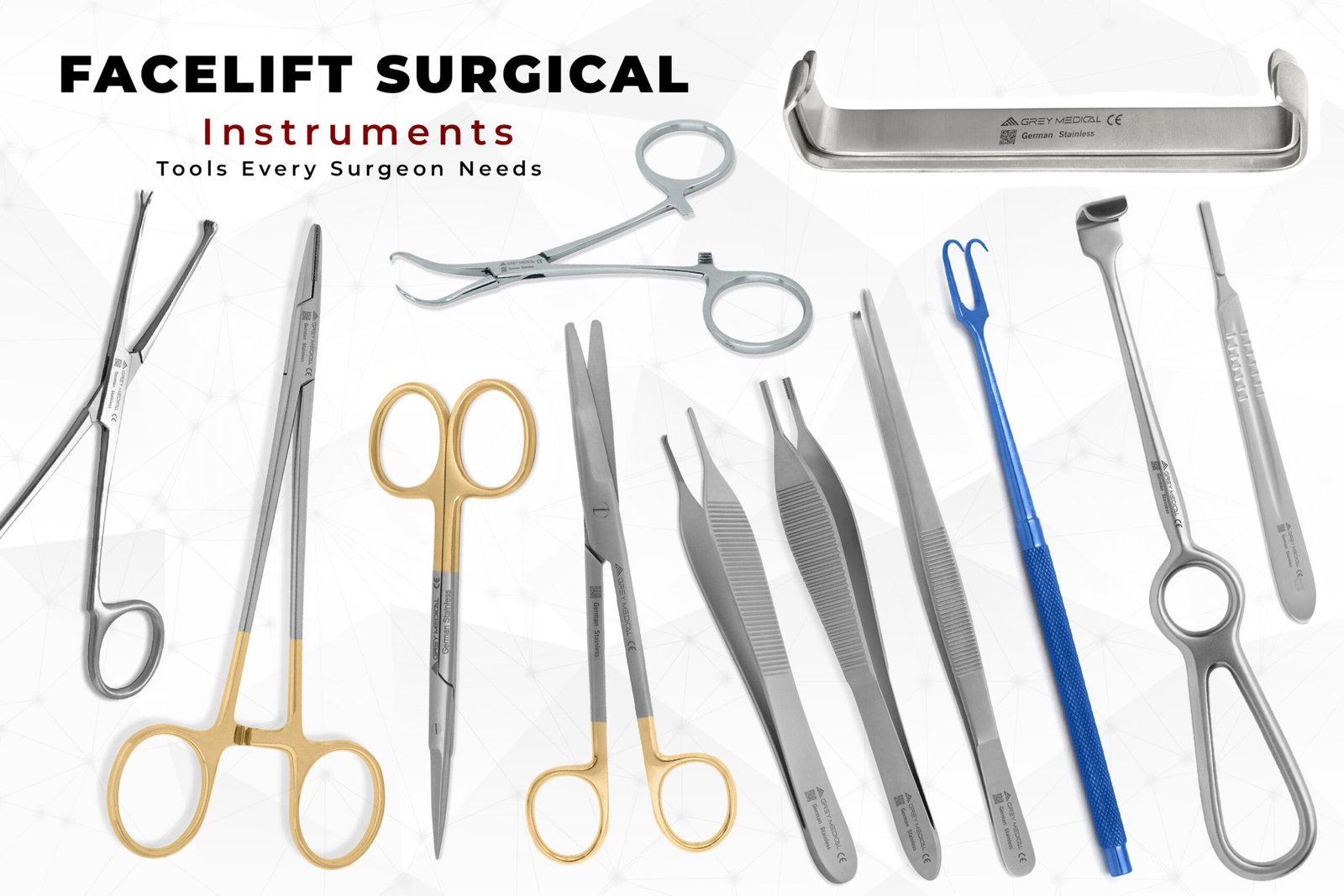
Surgical outcomes depend on the reliability of every instrument on the tray. When a tool slips, corrodes, or loses its grip mid-procedure, the surgeon loses time and the patient carries the risk. The term bakchaus refers to a category of precision surgical instrumentation valued for its clamping and holding function in the operating room. The bakchaus instrument does, where it fits in surgical practice, and how to select one built for clinical demands.
What Bakchaus Refers to in a Surgical Context
Bakchaus describes a family of clamping and fixation instruments used to hold tissue, drapes, or towels securely during a procedure. The working end carries locking jaws that grip without crushing, and a ratchet mechanism that holds tension once set. This means the surgeon fixes position once and moves on, rather than adjusting repeatedly through a case. Consistent holding force keeps the surgical field stable and predictable.
Where the Instrument Fits in Surgical Practice
Clamping instruments serve across nearly every surgical specialty, from general surgery to orthopedic and cardiovascular work. Surgeons use them to secure drapes to the operative field, stabilize tissue during dissection, and maintain retraction without a second pair of hands. A dependable bakchaus instrument reduces field adjustments, which shortens procedure time and lorna towel clamp the chance of contamination from repeated repositioning. Stable fixation frees the surgical team to focus on the task rather than the setup.
Design Features That Determine Performance
Small design differences carry direct clinical consequences. Jaw alignment controls whether the instrument grips evenly or slips under load, and a ratchet that engages cleanly holds tension without creep. Handle length and balance affect control during long cases, particularly when the surgeon works in a confined field. Serration pattern determines how firmly the jaws hold without tearing tissue or fabric. Together, these features decide whether an instrument performs reliably or fails at the wrong moment.
Material and Manufacturing Standards
Surgical-grade stainless steel remains the standard for a clear reason. It withstands repeated autoclave cycles, resists corrosion, and holds a smooth finish over years of use. A poorly finished joint develops micro-pitting, which traps biological residue and compromises sterility. This means surface finish and hinge tolerance are patient-safety concerns, not cosmetic details. A precision-crafted bakchaus instrument delivers consistent jaw closure and a ratchet that holds true after each procedure. Buyers should confirm that instruments meet recognized medical device standards before adding them to a tray.
How to Choose the Right Instrument for Your Practice
Selection starts with the procedures your team performs most often. Match jaw size and serration to the tissue or material you clamp, then check that the ratchet engages smoothly across every setting. Account for your sterilization workflow, since frequently cycled instruments demand higher corrosion resistance. Standardizing on a reliable supplier simplifies inventory and reduces variability across sets. A well-matched bakchaus instrument fits the case, the workflow, and the tray without compromise.
Care, Maintenance, and Longevity
Instrument failure during a procedure is preventable with disciplined maintenance. Inspect the jaws and ratchet after every cleaning cycle for wear, misalignment, or stiffness, because a worn mechanism loses holding force. Clean instruments promptly to stop residue from drying and staining the finish. Store them in dedicated trays that protect the hinge and jaws from impact. Followed consistently, these steps extend service life and protect performance. A well-maintained bakchaus instrument grips as firmly on its final use as it did on its first.
Why Grey Medical
Grey Medical is a trusted partner in premium-quality surgical instruments, backed by decades of experience serving surgeons, doctors, and medical professionals worldwide. The company builds precision-crafted tools designed for the real demands of the operating room, where reliable holding force and clean mechanics are not optional. Every instrument reflects tight manufacturing tolerances, durable materials, and consistent quality. This means clinical teams receive tools they can depend on, procedure after procedure.
Conclusion
Stable fixation is the foundation of a controlled surgical field, and the right instrument makes that stability possible. A clamping instrument delivers reliable, atraumatic holding force across specialties, provided it is well made, correctly matched to the procedure, and properly maintained. Focus your selection on jaw design, material grade, and manufacturing standards, then support that choice with a disciplined care routine. For teams seeking instruments built to that standard, Grey Medical offers precision-crafted tools designed to perform when it matters most.