Choosing a trade career can be a smart move. It offers hands-on work, steady demand, and practical skills you can use for life. Solid plastering is one of those trades that continues to grow across Australia.
If you are thinking about this path, understanding the course structure is important. It helps you know what to expect and how to prepare.
The Certificate III in Solid Plastering is designed to teach both theory and practical skills. It prepares learners to work on residential and commercial construction projects with confidence.
What Is This Course About?
This qualification focuses on applying plaster to walls, ceilings, and other surfaces. It includes both internal and external plastering work.
You will learn how to mix materials, prepare surfaces, and create smooth finishes. The course also covers decorative finishes and repair work.
It is suitable for beginners who want to enter the construction industry.
Course Duration and Learning Format
The course usually takes around 2 to 3 years to complete. This often depends on whether you study full-time or through an apprenticeship.
Many learners choose the apprenticeship pathway. This allows you to work on real job sites while studying at the same time.
You gain experience while earning, which is a big advantage.
Core Units You Will Study
The course includes core units that every student must complete. These units focus on essential skills needed in plastering.
You will learn how to read and interpret plans. This is important for understanding construction drawings.
Other core topics include workplace safety, handling tools, and preparing surfaces for plastering.
Safety is a major focus. You will learn how to work safely on construction sites and avoid common risks.
Elective Units and Special Skills
In addition to core units, there are elective units. These allow you to develop specialised skills based on your interests.
Some electives focus on decorative finishes. Others may cover advanced rendering techniques or working with different materials.
This flexibility helps you shape your career path within the trade.
Hands-On Practical Training
Practical training is a big part of this course. You will spend a lot of time practising plastering techniques.
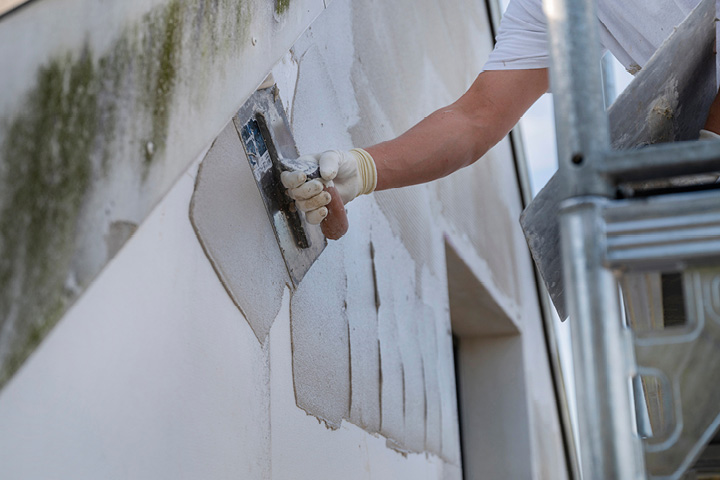
This includes applying base coats, finishing coats, and creating smooth surfaces. You will also learn how to repair damaged plaster.
Mistakes are part of the learning process. With practice, your skills will improve quickly.
Tools and Materials You Will Use
During the course, you will work with a range of tools and materials.
These include trowels, floats, mixers, and scaffolding equipment. You will also learn about different plaster types and how to use them correctly.
Understanding materials is important for achieving strong and long-lasting results.
Assessment Methods
Your progress will be assessed through both practical and written tasks.
Practical assessments test your ability to complete real plastering jobs. Written tasks check your understanding of theory and safety rules.
Instructors provide feedback to help you improve and meet industry standards.
Career Opportunities After Completion
After completing the course, many job opportunities become available.
You can work as a solid plasterer on construction sites, renovations, or maintenance projects. Some people also start their own business after gaining experience.
The demand for skilled tradespeople remains strong across Australia.
Why This Course Is a Good Choice
This course offers a clear path into the construction industry. It combines theory, practical skills, and real-world experience.
You learn by doing, which makes the process engaging and effective.
For people who enjoy hands-on work, it can be a very rewarding career choice.
Final Thoughts
Understanding the course structure helps you make better decisions about your future. The CPC31020 Certificate III in Solid Plastering provides the skills and knowledge needed to succeed in the trade.
With the right training and effort, you can build a stable and satisfying career.
Take your time to explore your options, and choose a learning path that fits your goals.