Introduction to Lipedema treatment in Jeddah
Lipedema treatment in Jeddah has become an important consideration for individuals who experience disproportionate fat distribution, particularly around the legs, hips, thighs, and sometimes the arms. Lipedema is a condition that can affect body proportions and may not respond to conventional weight-management approaches in the same way as ordinary body fat. Understanding the condition and the available treatment pathways can help individuals make informed decisions about their care.
When considering Lipedema treatment in Jeddah, it is important to recognize that treatment planning is highly individualized. Each person can have different patterns of tissue distribution, skin characteristics, body proportions, and personal goals. A detailed assessment helps establish which treatment options may be appropriate and how the overall treatment journey can be structured.
The journey with Lipedema treatment in Jeddah generally begins with assessment and diagnosis, followed by the development of a personalized management plan. Depending on individual needs, treatment may include lifestyle measures, compression-based management, physical approaches, and procedural or surgical options. Understanding each stage can make the decision-making process clearer and more manageable.
What Is Lipedema?
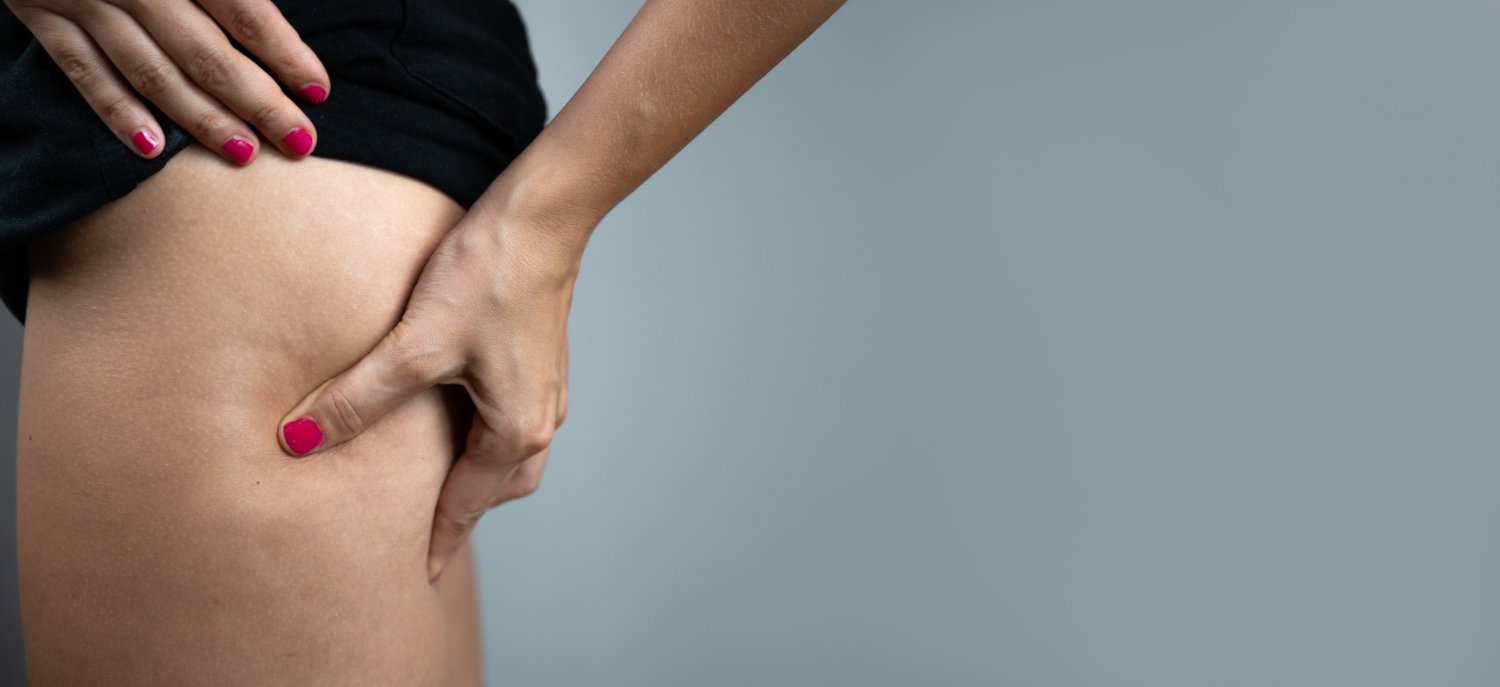
Lipedema is a chronic condition characterized by an unusual distribution of fatty tissue, most commonly affecting the lower body. It is generally recognized by disproportionate accumulation of tissue around areas such as the hips, thighs, and lower legs.
Unlike ordinary weight gain, lipedema-related tissue distribution can create a noticeable difference between the upper and lower parts of the body. The feet are often relatively unaffected, creating a visual distinction between the lower leg and foot.
Understanding the characteristics of lipedema is important because treatment is not simply about losing weight. Instead, the objective is to manage the condition, improve body proportions, support mobility, and address individual concerns through an appropriate treatment strategy.
Recognizing the Common Characteristics of Lipedema
Identifying the typical characteristics of lipedema can help individuals understand why their body shape may not respond to conventional approaches in an expected manner.
Disproportionate Fat Distribution
One of the most recognizable characteristics is disproportionate fat accumulation. The hips, thighs, legs, and sometimes arms may appear fuller compared with the upper body.
Symmetrical Distribution
Lipedema commonly affects both sides of the body in a relatively symmetrical pattern. This can distinguish it from localized changes caused by injury or other isolated conditions.
Changes in Body Proportions
People may notice that their lower body remains disproportionately larger even when their overall weight changes. This difference in proportions can be an important reason to seek professional assessment.
Foot Sparing
In many cases, the feet remain comparatively unaffected while tissue accumulation is more noticeable above the ankles. This characteristic can contribute to the recognizable appearance of lipedema.
Why Professional Assessment Matters
A proper assessment is an essential starting point for Lipedema treatment in Jeddah. Not every person with enlarged legs or localized fat has lipedema. Several other factors can contribute to changes in body shape.
During an evaluation, the distribution of tissue, body proportions, skin characteristics, medical history, and overall physical condition may be considered.
Understanding Individual Anatomy
Every person’s body is different. The severity and distribution of lipedema can vary considerably, which means treatment should not follow a standard formula.
Identifying Treatment Goals
Some individuals may primarily want improved mobility and comfort, while others may focus on body proportions and contour. Clearly identifying personal goals helps create a more relevant treatment plan.
Establishing a Long-Term Strategy
Because lipedema can be a chronic condition, treatment planning often involves more than a single appointment or procedure. Long-term management can be incorporated into the overall approach.
The Initial Consultation for Lipedema Treatment
The consultation represents an important stage in the treatment journey. It allows the practitioner to understand the individual’s concerns and evaluate the areas affected by lipedema.
During the consultation, patients may discuss:
- The areas where tissue accumulation is most noticeable
- Changes in body shape over time
- Previous weight-management efforts
- Physical activity levels
- Existing medical information
- Treatment expectations
- Desired improvements in body contour
This information can help create a personalized roadmap.
Conservative Approaches to Lipedema Management
Not every person requires a procedural treatment. Conservative management can form an important part of a comprehensive lipedema care plan.
Compression-Based Management
Compression garments may be recommended as part of ongoing management. They can provide support to affected areas and may be incorporated into a broader treatment strategy.
The appropriate type and level of compression should be determined according to individual needs.
Physical Activity
Regular movement can support general physical function and help individuals maintain mobility. Low-impact activities may be particularly useful for people who find certain forms of exercise more comfortable than others.
Walking, swimming, cycling, and appropriately planned strengthening exercises can be incorporated according to individual ability.
Healthy Nutrition
Nutrition remains an important component of overall wellness. A balanced eating pattern can support healthy body composition and complement other aspects of lipedema management.
Nutrition does not necessarily eliminate lipedema tissue, but maintaining a healthy overall lifestyle can contribute to better general health and treatment planning.
Procedural Options for Lipedema Treatment
For selected individuals, procedural treatment may become part of the overall management strategy. The decision depends on the extent of tissue accumulation, affected areas, individual goals, and previous management approaches.
Lipedema-Focused Liposuction
Liposuction can be considered in appropriately selected cases to reduce abnormal fatty tissue and improve the contour of affected areas.
Unlike cosmetic liposuction that may focus primarily on aesthetic reshaping, lipedema-focused treatment requires consideration of the characteristics of the condition and the distribution of affected tissue.
The objective is to remove appropriate amounts of tissue while respecting the natural anatomy of the body.
Treatment of the Legs
The thighs, knees, calves, or other portions of the legs may be affected by lipedema. Treatment planning can therefore focus on specific areas rather than treating the entire lower body as one unit.
Careful assessment helps determine which areas may benefit most from treatment.
Treatment of the Arms
Some individuals experience lipedema-related tissue accumulation in the arms. If this occurs, the arms can also be considered during the overall treatment assessment.
The decision to address the arms depends on individual anatomy and treatment priorities.
How Dr. Hattan Aljaaly Can Support Personalized Treatment Planning
When exploring Lipedema treatment in Jeddah, personalized assessment is essential. Dr. Hattan Aljaaly can evaluate the distribution of affected tissue, body proportions, treatment goals, and individual circumstances to develop an appropriate treatment strategy.
A personalized approach can help determine whether conservative management, procedural treatment, or a combination of approaches is most suitable. The objective is to create a treatment pathway that reflects the patient’s anatomy and priorities rather than relying on a generalized plan.
Preparing for Lipedema Treatment
Preparation depends on the treatment selected. Before proceeding with a procedure, patients may receive individualized instructions covering practical and medical considerations.
Reviewing Medical Information
A complete review of relevant medical information can help support appropriate treatment planning. Patients should provide accurate information about medications, previous procedures, and existing health considerations.
Planning Daily Activities
If procedural treatment is planned, arranging work, household responsibilities, and transportation in advance can make the recovery period easier to manage.
Understanding the Treatment Plan
Patients should understand which areas will be treated, the expected treatment timeline, follow-up arrangements, and general recovery requirements before proceeding.
What Happens During Lipedema-Focused Treatment?
The exact procedure depends on the selected approach and the areas being treated.
When liposuction is appropriate, the treatment generally involves creating small access points through which specialized instruments can be introduced. The practitioner carefully targets affected fatty tissue while shaping the treated region.
The technique is planned around the individual’s anatomy. Rather than focusing only on volume reduction, the treatment aims to improve body proportions and create a more balanced contour.
Why Treatment Planning Is Different for Lipedema
Lipedema treatment requires an understanding of how affected tissue is distributed. The goal is not simply to perform conventional fat removal.
Focus on Tissue Distribution
The pattern of affected tissue can determine which areas should be prioritized.
Focus on Body Proportions
Improving proportions may involve treating several connected areas rather than concentrating on a single location.
Focus on Individual Goals
Each patient has different priorities. Treatment planning should reflect those goals while maintaining realistic expectations.
Recovery and Follow-Up
Recovery varies according to the treatment approach and the number of areas addressed. Patients receive personalized instructions designed around their procedure and individual circumstances.
Follow-up appointments are an important part of the treatment journey because they allow progress to be reviewed and provide an opportunity to discuss ongoing management.
Gradual Changes During Recovery
The appearance of treated areas may change progressively as the body adjusts after treatment. Patients should follow their individualized care instructions and allow adequate time for the final contour to develop.
Returning to Normal Activities
The timeline for returning to work and physical activity depends on the treatment performed and the individual’s recovery progress.
People with physically demanding occupations may require a different schedule from those with primarily desk-based responsibilities.
Understanding the Long-Term Lipedema Journey
Lipedema management should generally be viewed as an ongoing process rather than a single event.
Even when procedural treatment is performed, long-term management may remain important. Lifestyle habits, physical activity, compression strategies when recommended, and regular professional assessment can all form part of an individual’s continuing care plan.
The objective is to support sustainable improvements rather than focusing exclusively on short-term changes.
Maintaining Mobility and Physical Function
Mobility can be an important consideration for people managing lipedema. Regular movement can support strength, flexibility, and overall physical function.
Low-Impact Exercise
Activities such as walking, swimming, and cycling can often be incorporated into an individual’s routine according to their abilities and preferences.
Strength and Flexibility
Appropriately selected strengthening and mobility exercises can help support physical function and make everyday activities easier to manage.
Consistent Movement
Consistency is generally more important than selecting a highly demanding exercise routine. A sustainable activity pattern can be easier to maintain over time.
Lipedema Treatment and Body Contouring
There can be an important distinction between ordinary cosmetic body contouring and lipedema-focused treatment.
Traditional body contouring may focus primarily on improving aesthetic proportions after weight changes or addressing isolated fat deposits. Lipedema treatment, however, involves consideration of the characteristic distribution of affected tissue.
This distinction is important when discussing treatment goals because expectations should be based on the nature of the condition and the individual’s anatomy.
How Many Treatment Sessions May Be Needed?
The number of sessions varies significantly between individuals. The affected areas, amount of tissue, treatment goals, and selected technique can all influence the treatment schedule.
Some patients may require treatment of multiple areas in stages rather than addressing everything at one time.
A personalized consultation provides the most useful information about how a treatment journey could be structured.
Setting Realistic Expectations
Realistic expectations are essential when considering Lipedema treatment in Jeddah.
Treatment can help improve the appearance and proportions of affected areas, but every person’s body has natural characteristics that influence the final result.
Patients should discuss their desired outcome openly during consultation and understand what the selected treatment can realistically accomplish.
Focus on Improvement Rather Than Perfection
The objective is generally to achieve meaningful improvement while respecting natural body proportions.
Understand the Treatment Timeline
Results may develop gradually, particularly when procedural treatment is combined with recovery and ongoing management.
Consider Long-Term Care
Lipedema management can continue after the initial treatment, making long-term planning an important part of the process.
Questions to Ask Before Starting Treatment
Patients can make consultations more productive by preparing questions beforehand.
Useful questions may include:
- What characteristics suggest that I may have lipedema?
- Which areas are affected in my case?
- What treatment options are appropriate?
- Would conservative management be suitable?
- Could procedural treatment be considered?
- How should treatment be scheduled?
- What should I expect during recovery?
- When will follow-up appointments take place?
- How can I maintain my results?
- What should my long-term management plan include?
Having these questions ready can help patients understand their options more clearly.
10 Frequently Asked Questions About Lipedema Treatment in Jeddah
1. What is Lipedema treatment in Jeddah?
Lipedema treatment in Jeddah refers to a personalized approach for managing the characteristic distribution of fatty tissue associated with lipedema. Treatment may involve conservative management, physical approaches, compression strategies, or selected procedural treatments depending on individual circumstances.
2. How is lipedema different from ordinary weight gain?
Lipedema typically involves disproportionate and often symmetrical accumulation of fatty tissue, particularly around the lower body. General weight gain usually affects the body more broadly, whereas lipedema has a characteristic distribution pattern.
3. Can lifestyle changes be part of lipedema management?
Yes. Healthy nutrition, appropriate physical activity, and maintaining general fitness can be valuable components of comprehensive management. These approaches can support overall health and physical function while complementing other treatment options.
4. Is liposuction suitable for every person with lipedema?
No. Suitability depends on the individual’s condition, tissue distribution, anatomy, treatment goals, and overall circumstances. A detailed assessment is necessary before determining whether procedural treatment is appropriate.
5. Which areas can be treated for lipedema?
Depending on the individual’s presentation, treatment may focus on areas such as the thighs, knees, calves, hips, or arms. The specific areas selected should be based on the distribution of affected tissue and the overall treatment plan.
6. How long does Lipedema treatment in Jeddah take?
The treatment timeline varies depending on the chosen approach and the number of areas being addressed. Conservative management may continue over a longer period, while procedural treatments have their own treatment and recovery schedules.
7. How should I prepare for lipedema treatment?
Preparation depends on the selected treatment. Patients should provide accurate medical information, discuss medications and previous procedures, understand the treatment plan, and organize their schedule around appointments and recovery.
8. When can I return to normal activities after treatment?
The timeline depends on the treatment performed and individual recovery progress. Patients receive personalized instructions regarding work, exercise, and other daily activities.
9. Can lipedema treatment improve body proportions?
Treatment may help improve the contour and proportions of areas affected by disproportionate tissue accumulation. The extent of improvement depends on individual anatomy, the selected treatment, and the overall management plan.
10. Why is a personalized plan important for lipedema treatment?
Lipedema can affect different parts of the body and can vary significantly between individuals. A personalized plan allows the treatment strategy to reflect the patient’s tissue distribution, anatomy, goals, and long-term management needs.
Conclusion
Understanding Lipedema treatment in Jeddah begins with recognizing that lipedema is different from ordinary weight gain and requires an individualized approach. The treatment journey can include professional assessment, conservative management, lifestyle support, compression strategies, and procedural options for appropriately selected individuals.
The most effective treatment plan depends on the person’s unique anatomy, affected areas, treatment goals, and long-term needs. A detailed consultation can help establish which options are appropriate and how different stages of care can be organized.
For individuals considering Lipedema treatment in Jeddah, informed decision-making is an important part of the journey. Working with an experienced practitioner such as Dr. Hattan Aljaaly can help patients understand their available options, establish realistic expectations, and develop a treatment plan designed around their individual needs.