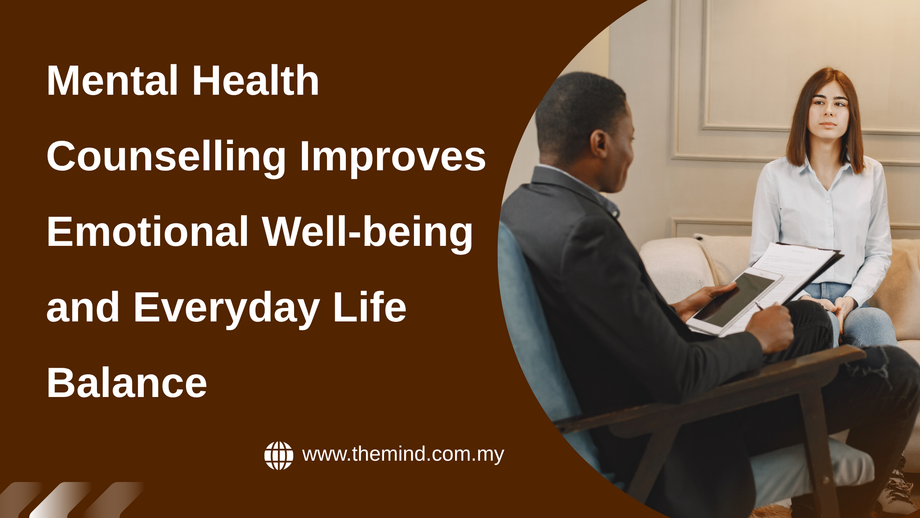
Mental health is just as important as physical health, yet it is often overlooked in the demands of daily life. Work responsibilities, family commitments, financial pressures, and unexpected life events can all affect emotional Well-being. While experiencing stress and emotional ups and downs is normal, ongoing emotional challenges can impact relationships, productivity, and overall quality of life. This is where mental health counselling can make a meaningful difference.
Mental health counselling provides professional guidance and emotional support, helping individuals understand their feelings, develop healthy coping strategies, and build resilience. By addressing emotional concerns early, counselling can improve overall wellbeing and help people achieve a healthier balance in their everyday lives.
What Is Mental Health Counselling?
Mental health counselling is a professional service designed to help individuals understand, manage, and overcome emotional, psychological, and behavioral challenges. Counsellors provide a confidential and supportive environment where clients can openly discuss their concerns without fear of judgment.
Counselling may help individuals dealing with:
Stress and anxiety
Depression
Relationship challenges
Workplace pressures
Grief and loss
Low self-esteem
Life transitions
Emotional burnout
Rather than simply focusing on problems, counselling also helps individuals discover personal strengths and develop practical solutions for long-term emotional wellness.
Why Emotional Wellbeing Matters
Emotional wellbeing affects nearly every aspect of life. When people feel emotionally healthy, they are generally better able to:
Handle everyday stress
Build healthy relationships
Make thoughtful decisions
Stay motivated at work or school
Adapt to life’s changes
Maintain better physical health
Ignoring emotional health can contribute to prolonged stress, poor concentration, sleep disturbances, and reduced overall life satisfaction.
How Mental Health Counselling Supports Emotional Wellbeing
Provides a Safe and Supportive Environment
One of the greatest benefits of counselling is having a confidential space where individuals can freely express their thoughts and emotions. Many people hesitate to discuss personal struggles with friends or family due to fear of criticism or misunderstanding.
Professional counsellors offer compassionate listening, empathy, and guidance that help clients feel understood and supported throughout their healing journey.
Helps Identify Emotional Triggers
Many emotional difficulties are connected to underlying experiences or recurring thought patterns. Counselling helps individuals recognize the situations, beliefs, or behaviors that contribute to emotional distress.
By identifying these triggers, clients can begin making positive changes that improve their emotional wellbeing.
Develops Healthy Coping Skills
Life will always present challenges, but counselling equips individuals with practical strategies to manage them more effectively.
Common techniques include:
Mindfulness exercises
Deep breathing techniques
Stress management strategies
Emotional regulation skills
Positive problem-solving methods
Relaxation practices
These skills can be applied both during stressful situations and in everyday life, helping individuals respond more calmly and confidently.
Creating Better Everyday Life Balance
Modern lifestyles often involve balancing multiple responsibilities simultaneously. Without proper emotional support, this balance can become difficult to maintain.
Mental health counselling helps individuals:
Manage Work-Related Stress
Workplace responsibilities and demanding schedules can contribute to emotional exhaustion. Counselling teaches effective stress management and time-management techniques that improve work-life balance.
Strengthen Personal Relationships
Healthy communication is essential for maintaining strong relationships. Counselling helps individuals improve listening skills, express emotions constructively, and resolve conflicts more effectively.
Improve Self-Awareness
Understanding personal values, emotions, and behavioral patterns enables individuals to make healthier decisions and establish realistic goals.
Greater self-awareness often leads to increased confidence and emotional stability.
Supporting Long-Term Mental Wellness
Counselling is not only about addressing current challenges—it also prepares individuals for future obstacles by building resilience and emotional strength.
Long-term benefits of mental health counselling may include:
Improved confidence
Better stress management
Greater emotional resilience
Healthier relationships
Increased self-esteem
Better decision-making
Enhanced overall life satisfaction
These benefits contribute to a more balanced lifestyle and improved quality of life.
The Connection Between Mental and Physical Health
Mental and physical health are closely linked. Chronic emotional stress can contribute to physical symptoms such as:
Headaches
Fatigue
Muscle tension
Digestive discomfort
Sleep problems
By improving emotional wellbeing, counselling often supports better physical health as well. Many individuals notice improvements in sleep quality, energy levels, and overall wellness after engaging in therapy.
When Should You Consider Mental Health Counselling?
Seeking counselling is beneficial whenever emotional challenges begin affecting daily life. Consider professional support if you experience:
Persistent stress or anxiety
Difficulty managing emotions
Feeling overwhelmed
Relationship difficulties
Low motivation
Trouble concentrating
Significant life changes
Ongoing sadness or emotional distress
Early intervention can often prevent emotional concerns from becoming more serious.
Conclusion
Mental health counselling plays an important role in improving emotional wellbeing and creating a healthier balance in everyday life. By providing a safe space for self-expression, teaching practical coping skills, and encouraging personal growth, counselling empowers individuals to manage life’s challenges with greater confidence and resilience.
Prioritizing mental health is an investment in your overall wellbeing. Whether you are facing stress, relationship concerns, or major life changes, seeking professional counselling can help you build emotional strength, improve daily life balance, and enjoy a healthier, more fulfilling future.