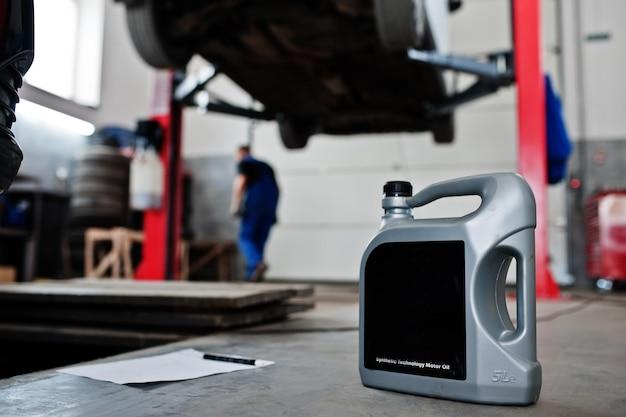
Regular vehicle maintenance is essential for keeping a car reliable, efficient, and ready for everyday driving. For motorists looking for car oil change al quoz, understanding the importance of engine oil and following a suitable maintenance schedule can help prevent avoidable problems. Engine oil does much more than simply lubricate moving parts—it helps manage heat, reduce friction, and keep the engine operating smoothly.
What Does Engine Oil Do?
Engine oil plays several important roles inside a vehicle.
The engine contains many moving components that operate at high speeds and temperatures. Without adequate lubrication, these components can experience increased friction and wear.
Engine oil creates a protective layer between moving parts, helping them move more smoothly. It can also assist with heat management and carry small particles away from important engine components.
Over time, however, oil can become contaminated or lose some of its effectiveness. This is why regular oil changes are an important part of routine maintenance.
Why Oil Changes Are Necessary
Engine oil does not remain in perfect condition indefinitely.
As the vehicle is driven, the oil is exposed to heat and mechanical activity. Contaminants can gradually accumulate, while the oil’s properties may change over time.
Continuing to use old or degraded oil for too long can affect engine performance and increase wear.
Changing the oil at appropriate intervals helps ensure that the engine has clean lubricant available for its moving components.
The exact interval can vary depending on the vehicle, engine type, oil specification, driving conditions, and manufacturer’s recommendations.
Follow the Manufacturer’s Recommendations
One of the easiest ways to determine when an oil change is required is to check the vehicle manufacturer’s maintenance schedule.
The owner’s manual generally provides information about recommended oil specifications and service intervals.
Some modern vehicles may also have maintenance indicators that alert drivers when service is due.
It is important not to assume that every vehicle needs an oil change at the same mileage. Different engines and oils can have different requirements.
Following the manufacturer’s recommendations is a good starting point for maintaining the vehicle properly.
Signs That Your Car May Need an Oil Change
Drivers may notice certain changes when engine oil needs attention.
Possible signs can include:
- An oil warning light appearing on the dashboard
- Unusual engine noise
- Reduced smoothness while driving
- Dark or contaminated-looking oil
- An unusual burning smell
- An overdue maintenance interval
These signs do not always mean that an oil change is the only solution. For example, a dashboard warning light can have several possible causes.
If something seems unusual, having the vehicle inspected by a qualified technician can help identify the actual problem.
Choosing the Correct Oil
Not every engine uses the same type of oil.
Motor oils are available in different grades and specifications, and the correct option depends on the vehicle’s engine and manufacturer requirements.
Using the wrong oil can affect lubrication and engine performance.
Drivers should check the owner’s manual or manufacturer’s specifications before selecting oil.
A professional workshop can also help identify the appropriate product based on the vehicle’s make, model, engine, and service requirements.
Conventional, Synthetic, and Other Oil Types
Motor oil can be available in different formulations.
Conventional oil is a traditional option, while synthetic oil is engineered to provide specific performance characteristics. There are also blended products that combine different oil technologies.
The best option depends on the vehicle rather than simply choosing the most expensive product.
Drivers should follow the manufacturer’s recommendation when deciding which oil specification to use.
How Driving Conditions Affect Oil Life
The rate at which engine oil degrades can depend partly on driving conditions.
Frequent short trips may prevent the engine from reaching its ideal operating temperature for long enough. Heavy traffic can also mean the engine spends significant time running while the vehicle moves slowly.
High temperatures and dusty environments may create additional maintenance considerations.
Vehicles used for demanding driving conditions may require more frequent maintenance than those used primarily for moderate highway driving.
Drivers should consider their actual driving habits when following a maintenance schedule.
Benefits of Regular Oil Maintenance
Keeping engine oil fresh can support several aspects of vehicle operation.
Reduced Friction
Clean, suitable engine oil helps lubricate moving components and reduce friction.
Better Engine Protection
Proper lubrication can help minimize unnecessary wear on internal engine components.
Consistent Performance
An engine with appropriate lubrication can operate more smoothly.
Preventive Maintenance
Regular oil changes provide an opportunity for technicians to inspect other basic components and identify potential issues before they become more serious.
What Happens During an Oil Change?
A typical oil change involves more than simply adding new oil.
A technician generally checks the vehicle, drains the old oil, replaces the oil filter when required, and adds the correct amount of new oil.
The vehicle may also be inspected for visible leaks or other maintenance concerns.
After the service, the technician can check the oil level and ensure that the system is operating correctly.
The exact process can vary depending on the vehicle and workshop.
Why the Oil Filter Matters
The oil filter works alongside the engine oil.
Its purpose is to help remove contaminants from the oil before it circulates through the engine.
As the filter becomes loaded with contaminants, its effectiveness can decrease.
For this reason, replacing the oil filter according to the manufacturer’s recommended maintenance schedule is an important part of many oil services.
A technician can determine which filter is suitable for the vehicle.
Check for Oil Leaks
An oil change is also a useful opportunity to check for possible leaks.
A small leak may not immediately cause noticeable driving problems, but ignoring it can eventually result in a low oil level.
Drivers who notice oil spots underneath their parked vehicle should have the source investigated.
A technician can inspect areas such as seals, gaskets, the oil pan, and other components to determine where the leak may be coming from.
Oil Level and Oil Quality Are Different
Checking the oil level is important, but it is not the same as checking oil condition.
A vehicle can have an acceptable oil level while the oil itself is old or contaminated.
Likewise, low oil can be caused by consumption or a leak and may require additional investigation.
Drivers should follow the vehicle manufacturer’s instructions for checking oil levels and servicing intervals.
Why Professional Service Can Be Useful
Although some vehicle owners perform basic maintenance themselves, professional servicing can provide additional benefits.
A trained technician can use the correct oil and filter, check the oil level, inspect for leaks, and identify other visible maintenance issues.
A professional workshop can also maintain service records, which can be useful for future maintenance and vehicle ownership.
For modern vehicles with specific oil requirements, professional assistance can be particularly helpful.
Don’t Ignore Dashboard Warnings
Modern cars use dashboard warning lights to alert drivers to potential problems.
An oil warning light should not be ignored.
If the warning indicates a possible oil-pressure issue, continuing to drive could potentially cause serious engine damage.
Drivers should consult their vehicle’s manual and seek professional assistance when an oil-related warning appears.
Regular maintenance is useful, but warning lights should always be taken seriously.
Keep a Maintenance Record
Keeping track of oil changes is a simple but effective maintenance habit.
A service record can include:
- Date of service
- Vehicle mileage
- Oil type and specification
- Oil filter replacement
- Other maintenance performed
- Recommended next service
This information can help drivers remember future service intervals.
It can also provide useful maintenance history if the vehicle is later sold.
Combining an Oil Change With Other Checks
An oil service can be a convenient time to check other basic vehicle components.
Depending on the workshop and service package, technicians may inspect items such as:
- Engine fluid levels
- Tyre condition
- Battery condition
- Belts and hoses
- Visible fluid leaks
- Brake components
These checks do not necessarily replace a full vehicle inspection, but they can help identify obvious maintenance concerns.
Avoid Waiting Until There Is a Problem
Preventive maintenance is generally better than waiting for a vehicle problem to become noticeable.
Oil changes are relatively routine compared with major engine repairs.
Following the recommended maintenance schedule can help drivers stay ahead of routine service requirements and reduce the likelihood of neglecting important maintenance tasks.
The right schedule depends on the specific vehicle and its operating conditions.
Conclusion
Engine oil is a small but essential part of vehicle maintenance. It helps lubricate moving components, manage friction, and support smooth engine operation. Over time, oil can become contaminated or lose effectiveness, making regular replacement an important part of preventive maintenance.
For drivers searching for car oil change al quoz, the key is to choose a service provider that uses the correct oil and filter while following appropriate maintenance procedures. Drivers should also follow their vehicle manufacturer’s recommendations rather than relying on a generic service interval.
Regular oil changes, timely inspections, proper oil levels, and attention to dashboard warnings can all contribute to better vehicle care. By treating oil maintenance as part of a broader preventive maintenance routine, car owners can help keep their vehicles dependable for everyday driving.